One of the difficult issues facing horse owners and trainers is maintaining horses in winter. A part of the picture is feeding and it is easy to make assumptions about how much more food and what types of food the horse may need without looking carefully both at what a horse in the wild would do and what we need from our horses in winter. Wild horses are a good place to start but, as with all aspects of horse care, they are not the full picture as we mostly have different expectations and demands upon our horses than a wild or feral horse will experience.
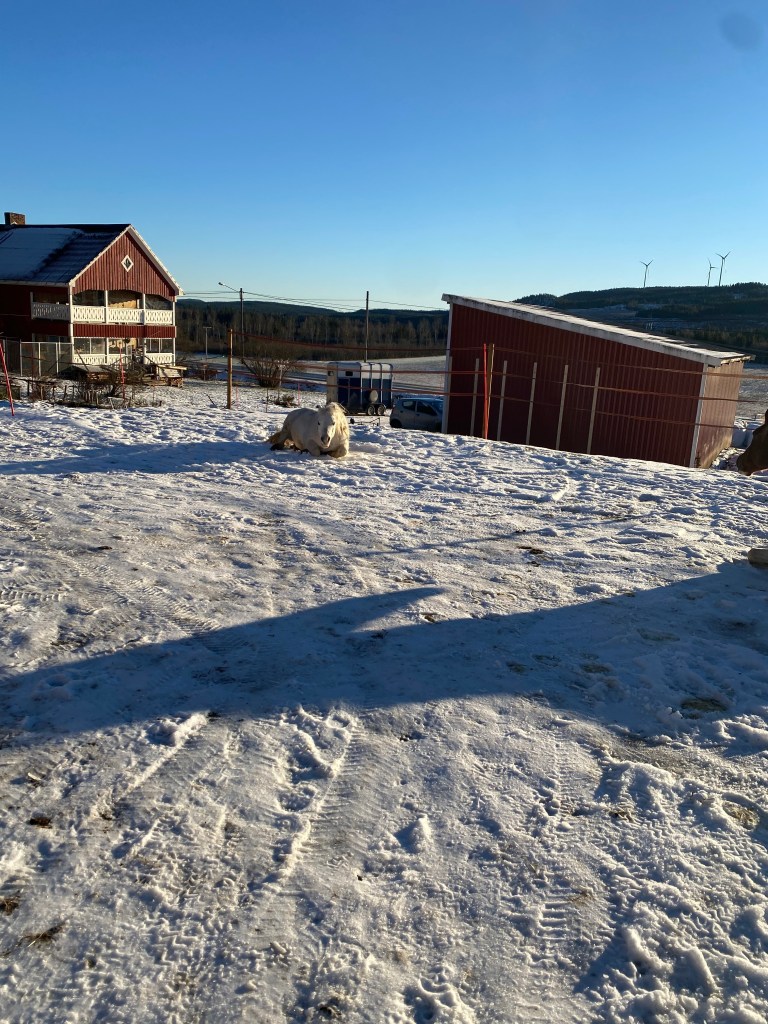
Feral horses survive by grazing for food as they are herbivores, eating grasses and shrubs on their lands. In winter, these horses paw through the snow to find edible vegetation. They also usually stay reasonably close to water, as it is essential for survival. Studies of old prezwalski (wild horses) before their extinction in the wild show that they mostly browsed on trees and bushes in the winter as against the summer when they mostly grazed on grasses and herbs. (Reintroduced horses from captive breeding programs seek out more grass based foods and eat in a way more similar to their Mongolian cousins who live in managed herds).
It is assumed wild horses living in cold dry conditions effectively hibernated, slowing their metabolism and remaining on their feet. This unique behavior is called standing hibernation.
Horses grow long winter coats which have the ability to stand on end and trap air resulting in excellent insulation. They use Piloerection, meaning the their hairs will stand up as the temperature drops. This keeps the cold air is kept farther away from the horse’s skin and warm air is trapped close to the skin. They stand with their butt to the wind, the tail protects the private parts, they can lower their head to shielded it from the wind using the rest of the body.
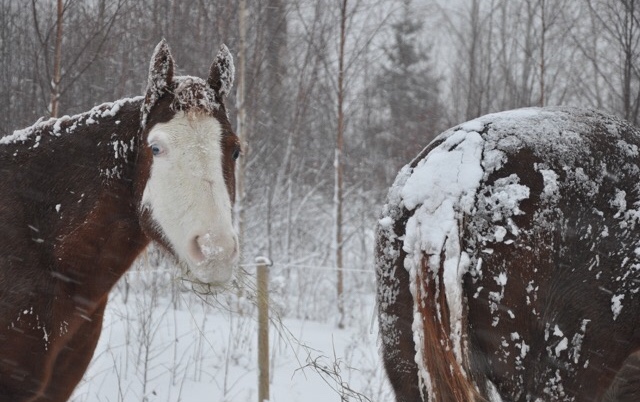
Horse value windbreakers more then overhead shelters. Natural oils in the hair coat help keek moisture away. A snowstorm in cold temperatures is comprised of dry snow moisture freezes on the outer surface of the hair coat and never reaches the horse’s skin.
Horses with adequate nutrition start building a layer of fat under the skin as days get shorter and nights become colder.
Feral and wild horses eat all spring and summer and go into autumn with with what we could consider a high body condition score so around 6 or 7 in a leisure horse. Wild & feral horses have extra fat for winter, to serve as insulation as well as calorie reserves. By the time they come out of winter in the spring, they’ve dropped to a body condition score to between 30% and 50% of what they started with.
So by the time the green grass is out the body is ready for all that caloric overload, it craves it.
Then they gain weight again through summer and are fat by the time winter comes around.
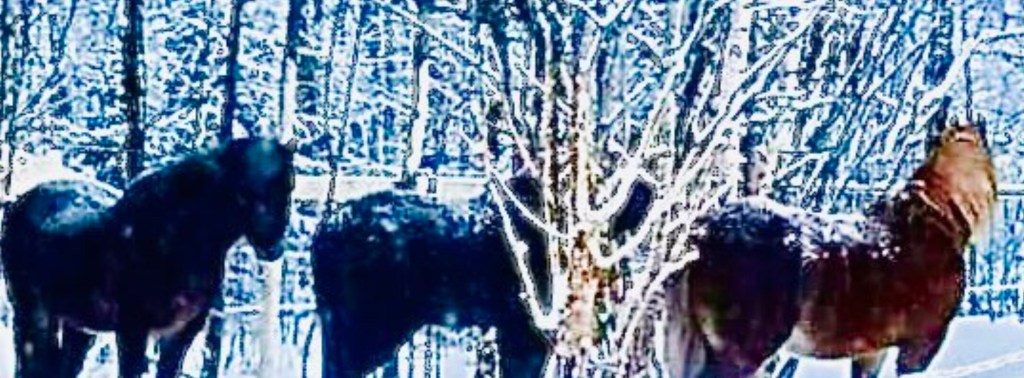
This cycle is not what our domestic horse do nor are they able to eat the bark and twigs that they would get in the wild during winter. This extremely course roughage cleans out their digestive tract. I notice my little managed group of horses and ponies love to munch in the forest over winter, eating leaves, wood and pine needles.
So as we go into winter keep this in mind, are we showing our love for our horses through food ? And is this the best course of action ?
Our breeding practices and manipulation of horses for work and sport has changed much about their body but has it changed their biological gastric clock, so should we in fact allow for them to eat less rather than more in winter?
Obviously the food a horse requires is affected by a number of things. We feed according to size, age, work, condition, weather, hoof condition, expected work, activity (which might not be work but how far our horses travel between their food and water or shelter for example). I would suggest it is insufficient simply to start feeding hard feed (corn, oats and pelleted commercial feeds) in autumn without at least weekly reevaluation of the aforementioned list of variables. Following feed bag recommendations (or worse advertised claims that feed will create something in your horse that is in fact only created by the appropriate work, exercise and bodywork, such as topline ) is unwise as those recommendations are generalised and a guideline rather than tailor made for your horse.
But we worry about our horses becoming cold and, of course, the gastrointestinal tract of the horse is to some extent a huge radiator, working as a good part of it does, by fermentation. The answer to feeding for heat is therefore not one of feeding hard or prepared feeds (unless your horse requires prepared fodder such as hay pellets or chopped hay and straw due to his or her dental issues) but rather of ensuring regular access to good quality, appropriate calorie containing hay, haylage, grass or other appropriate roughage. These types of foods offer the best possible material to the horse’s hind gut for radiator fuel!
This is not to suggest we should stop feeding our horses in winter especially as they probably move more requiring more calories and many are clipped or wear coat flattening blankets which affect their insulating ability.
We need to be mindful of what we feed and how much in relation to environment , lifestyle, age, condition, stage in training, life stage, injury or rehabilitation needs and work.
Some equine researchers and body-workers have proposed that if we followed the natural cycle of the GI tract we might have less colic, less foot issues such laminitis, less joint issues and healthier horses.
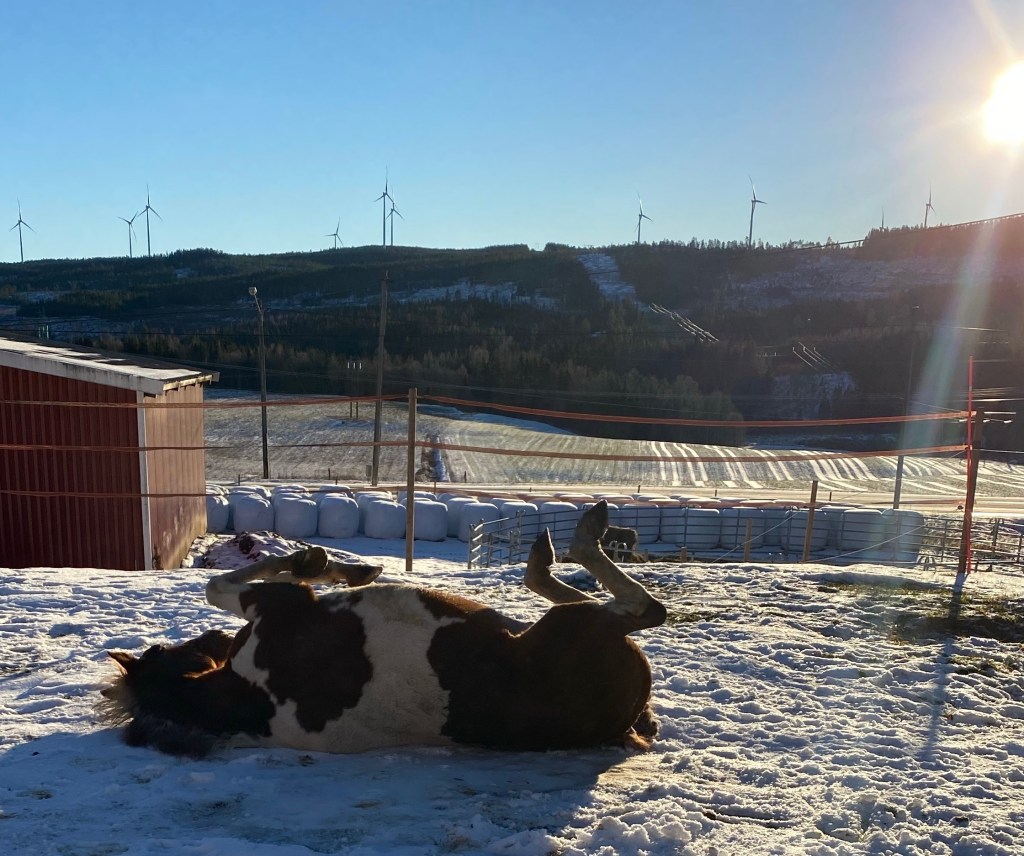
 Happy Healthy Horses