Clipping your horse in winter
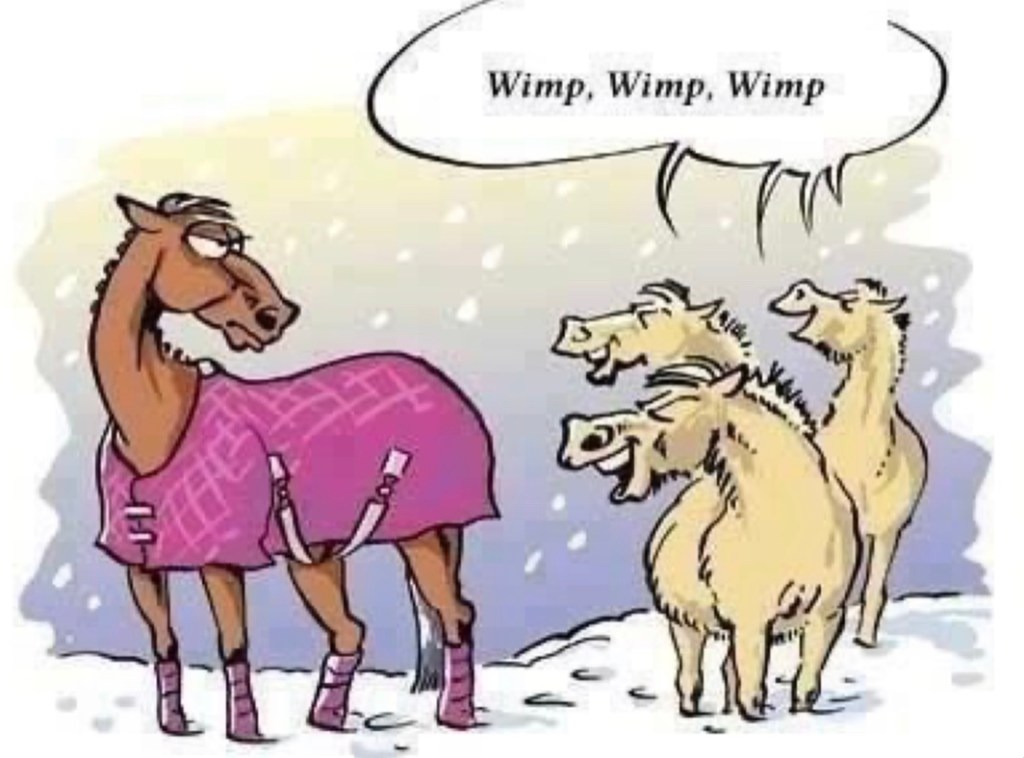
Remember that if you clip your horse in any way a blanket will be necessary on those cold days and certainly at night. When blanketing any horse, clipped or not, never leave blanket on without checking every day. In checking your horses blanket every day you are carefully watching his weight, checking for rub marks that may become open wounds and never allowing him to become to hot or sweaty.
Reasons for Body Hair Clipping
• To enable a horse to be ridden and trained without increased fatigue and stress from excessive sweating.
• To allow the horse to cool out and dry quickly after work.
• To prevent skin problems and make grooming easier and more effective.
• As a training and/or competition strategy. A winter coat tends to make a horse quieter and may decrease the performance of warm-blooded horses. Clipping the coat can invigorate a horse. Therefore, for competitions where steadiness is required, clip 2-3 weeks before the event. For competitions where brightness is required, you may clip up to the day before the event. A winter coat can also be used as a conditioning tool, leaving it on while conditioning and clipping it off before competition.
• For added comfort of old horses or horses with pituitary adenoma., equine metabolic syndrome or those with other hormonal based coat issues. These horses may potentially need to be clipped several times a year. Clipping your horse against the “grain” of the hair coat during warmer months to remove more hair can be beneficial for him if excess hair is a problem and you can then clip with the grain of the coat or with a guard on to leave more coat after clipping during cooler months. This then mimics what nature would do for your horse without the diagnosis that affects his coat.
The first and foremost reason for clipping your horse in the winter is his health and comfort. It is not healthy or comfortable for your horse to exercise and sweat in a winter coat. He will have an increased chance of overheating, he will be difficult to return to a normal body temperature, he will take a long time to dry, and the sweat mixes with dirt and dust on your horse’s skin and can lead to skin problems.
Your climate will also tell you if he needs to be clipped. There are many horses in the world that live in warmer climates with excessive hair coats. Clipping can definitely make your horse happier and more comfortable in weather like this.
Some things to keep in mind as you are deciding where to remove some hair from your horse:
Where does he sweat? Common areas to create some air conditioning for the sweaty horse include under the neck, around the flank, and in between legs. Your horse will also sweat in the saddle area, but it may be best to leave this hair so your tack isn’t in direct contact with his super short hair. A sweaty saddle area is much easier to dry than your entire horse. A fleece cooler usually does the trick to dry the saddle area as you groom after exercise.
Can you effectively use a blanket to make up for the air conditioning that your horse needs? If he has some significant air conditioning clipped in, a blanket will be needed. But – you may find then that some hairy parts remain too warm under the blanket. In this case, opt for a clip that removes more hair over the parts your blanket will cover.
You can also vary the length of the hair that remains after you clip your horse. You can use blades that leave 3 mm of hair instead of 1.8 mm of hair. You can also use clipper guards to take just some off the top, as the saying goes. Remember that it grows back, and if you start out clipping some off and it’s not enough, you can always come back and remove just a little more with a different blade or a different guard.
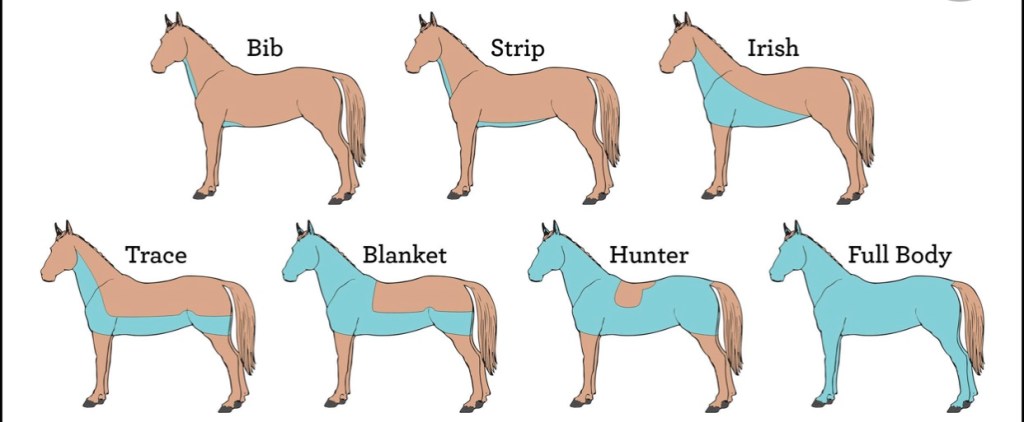
Below are some clip patterns to help you consider what would help your horse. But remember there are no rules and you can combine clips to suit your horse.
So you have decided to clip…..
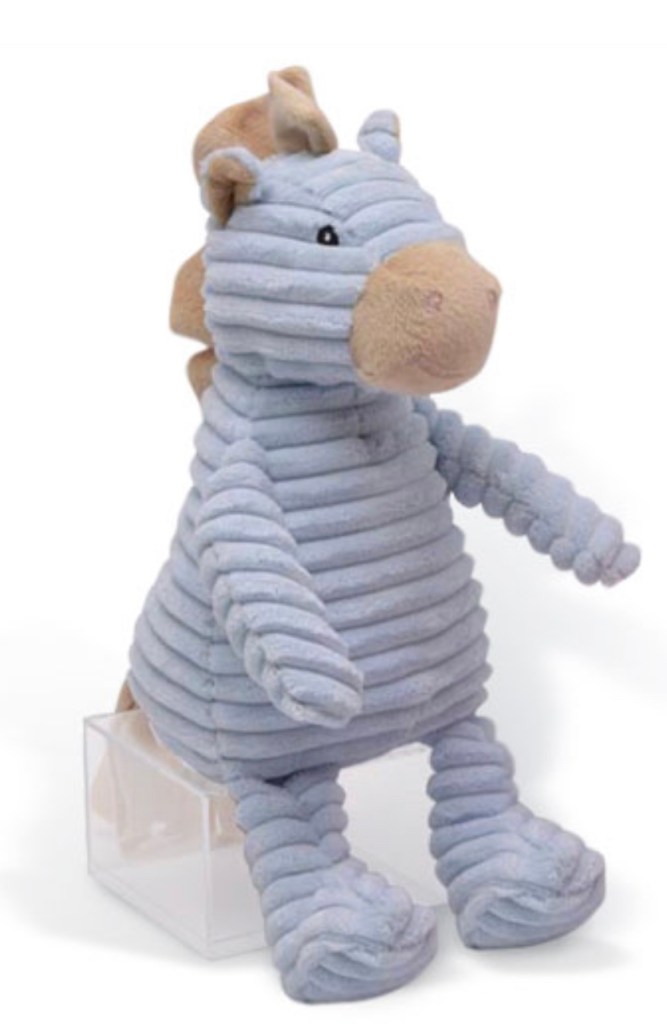
Finding the right clippers can be a challenge. I once borrowed clippers set up by a farming friend for his show cattle, carefully drawing out my blanket and the clipping my horse. Only once I had finished carefully following the lines I drew did I realise my horse now had a corduroy effect on the clipped area and looked a little like a well loved child’s toy! The other problem was that the clippers were so heavy that my rather weak wrists had to wait a day till I could complete the task so he was half a corduroy toy on one side and a woolly bear on the other which made rug decisions more complex than I had thought.
My horse was accustomed to clippers when I bought him so the fact that the cow clippers were loud enough to rival the average metal band didn’t cause him any consternation, however I have subsequently worked with quite a number of horses and ponies in my behavioural practice who were not so tolerant of clippers and I will offer advice on desensitisation in another blog post. But it is worth listening to the noise and feeling the vibration from any clippers you intend to buy before you do so. The vibration will affect your body as much as your horses’, so, if you have a number of animals to clip, I’d recommend spending the money to get a more professional set where the effect is a bit less damaging on your own muscles, tendons and fascia! Look for clippers that are light enough to hold for long periods of time and easily manoeuvrable around your horses bony structures. Big may seem sensible as you can cut a lot of area at once, but can be heavy, cumbersome and uncomfortable for the horse as well as extremely difficult to get those neat edges that you need for a professional looking finish.
You also want to consider how sensitive your horse is to noise and physical sensations. Some horse clippers are louder and vibrate more strongly than others.
Make sure to keep the layout of your barn, stables or yard in mind as well. If you do not have easy access to a power outlet, you will want to consider battery-powered horse clippers or getting your horse acquainted with extension cables. (I wish most horses were comfortable with electric cables as often my laser, pulsed magnetic field therapy machine or ultrasound can require plugging in if a battery runs low and it is so much easier if the horse can remain chilled out during the process – nobody wants to be stressed during their spa treatment!)
Having blade wash on hand is also helpful in case hair and dirt start to stick to the blades. Be prepared to take them apart and clean them as needed if they get clogged.
Since there is a lot of surface area to cover while horse clipping, be sure to continually check that the blades are not getting too hot for your horse. A cooling spray can help ensure your horse stays comfortable and relaxed during the process and you must have sufficient clipper oil so that you can keep your blades lubricated and working and prevent lines appearing in the clip. If you have battery operated clippers, check that your battery is taking proper charge. Mine worked fine last year and so,without checking the battery, I leant them to a friend this year who could not get them to charge sufficiently to clip a whole horse resulting in an hour’s job taking several hours.
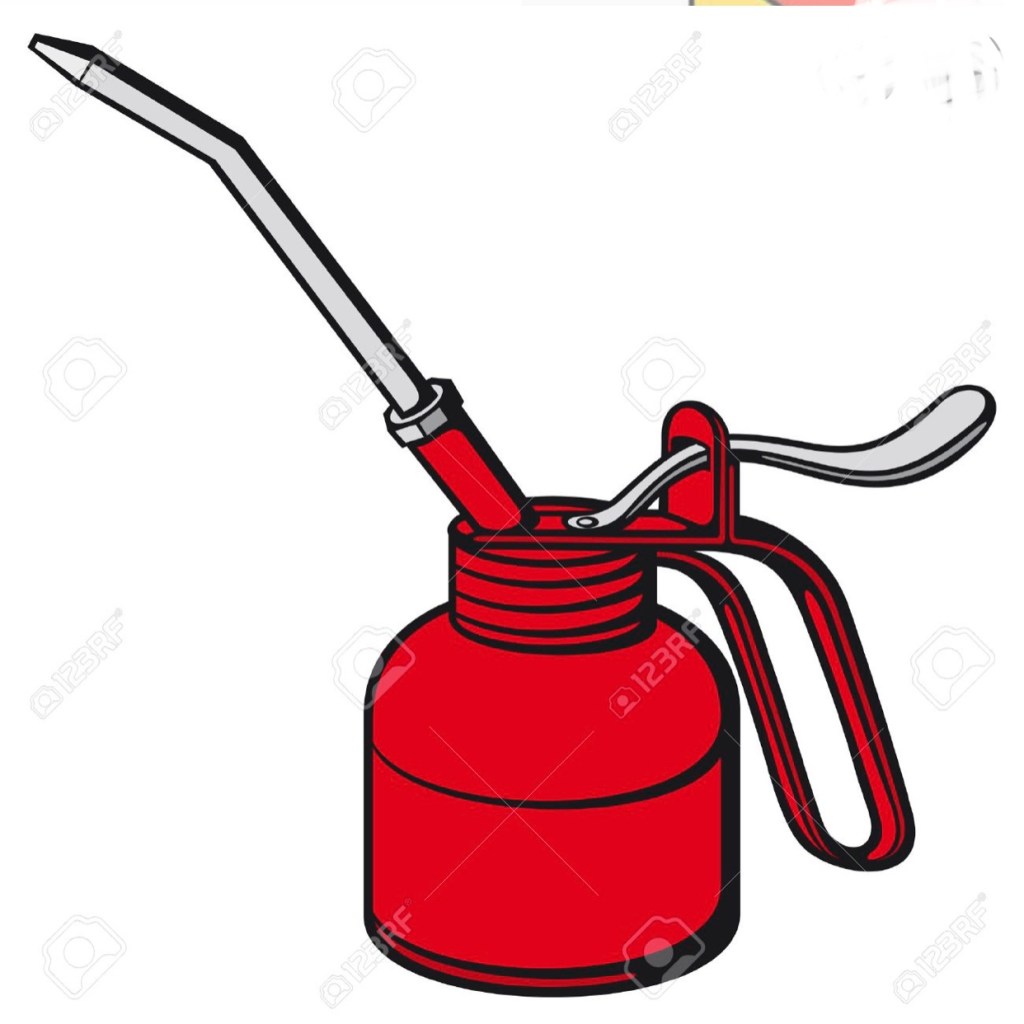
Always clean and lubricate your blades again after use so you can maintain your clippers for many years as they are a relatively expensive piece of kit. Remember clipping a horse is actually the art of moving the hair from the horse to your own body so wear suitable covering or your riding clothes will cause you to itch for months and even years (hair shirts made from horse hair were a monastical punishment or humbling of the flesh In olden times for a reason)!
The first step to successfully clipping your horses is to groom them thoroughly. Give them a bath, a vacuum or a good brushing to remove as much dirt as possible from their coat. Excess dust and dirt can get stuck in the blades of the horse clippers, slowing down the process and possibly damaging your equipment which we have already established is precious and probably expensive to repair.

But if you opt to wash your horse, don’t clip him near the same location where you gave him his bath. It’s potentially very dangerous to have electrical equipment around standing water and horses who may well be wearing metal shoes!
While I will cover desensitisation to clippers in another post, I do recommend introducing the horse to the clippers slowly and gently and waiting for a time when the stables, barn or yard is quiet to clip. If you have a low setting on your clippers, begin with that even if your horse has been clipped before to reacustom him to the process. Be calm, move slowly and talk quietly to your horse. Giving a hay net can help but only once you have started so that your horse isn’t standing in a world of his own chewing when a clip-monster suddenly attacks!
The most popular horse clipping patterns include full-body, hunter, blanket, trace, Irish and bib.
Full-Body
As the name implies, this involves clipping the entire body. It’s often used on show horses or those working in warmer climates where winter is more of a damp or blowy time of year
The advantage is that this clip makes it easier to bathe horses, cool them off after workouts and keep them clean. For horses living and working indoors, this can be a useful and healthy option but the biggest disadvantages relate to the fact that you will have removed pretty much the largest part of your horse’s winter protection and must replace it with rugs and blankets
Hunter
A hunter clip is similar to a full-body clip, but the legs are left unclipped along with a saddle patch on the back and belly.
This helps keep them comfortable during long trail rides where they will walk through vegetation.
The idea of leaving hair remaining under the saddle is intended to keep the back muscles warm and protect the back from bits of debris that may gather under the saddle pad. That said, since it has a saddle compressing the hair follicles and one should have a clean saddle blanket or numnah anyway, this might be regarded as a little outdated. One thing to consider is your saddle fit and saddle pad, blanket or numnah in winter as muscles, fat and fur may change with the changes to the climate and exercise.
Leaving the legs unclipped helps keep the horse warm during winter months, but you will still have to change their blankets and layers as needed.
Blanket
With this pattern, a majority of the horse’s coat is left intact. Usually only the neck, chest, lower belly and hips are clipped.
A blanket clip helps the horse stay warm in the winter while allowing areas that tend to accumulate sweat to dry quickly. With this clip, you’ll want to make sure your horse has plenty of time to cool down and dry off after a sweaty workout (see my recommendation below for I clipped horses) but the time will be shorter.
Trace
A trace clip is similar to a blanket clip, but less of the neck is clipped. This is often used by owners of horses with Equine Metabilic Syndrome. You can modify the cut as needed depending on how much your horse works—the harder he works or the more he sweats due to any hormonal condition, the more of the neck you’ll clip.
Starting with a trace clip is a low-stress way of introducing your horse to the horse clipping process for those who have not been clipped before and it is a good start for those of us less artistic folk! On the pdd occasion where I have clipped, this had been my clip of choice and I used chalk to draw my lines before I started. Anyone who has seen my spaniel after I have administered a hair cut will understand just how essential this preparatory phase is to my horse being able to go out in public without total shame!
Irish
An Irish clip involves clipping the hair on the belly, neck and chest and leaving the rest of the body unclipped. It’s often used on horses who live outside in the winter but still need to cool off after working. Again this is a clip used to help cushingoid or EMS horses cope with the sweatiness of laying down too much coat due to metabolic and hormonal issues.
Bib
In this pattern, only the underside of the neck and chest are clipped. It’s best for horses who live in cold conditions and are ridden occasionally or who have extra hair due to the aforementioned problems even though they may not ‘work.’But horses with this clipping pattern often need extra time to cool off after a ride or workout so the advice below for those who do not choose to clip would apply.
I do not do enough with all of my horses in winter to justify removing their winter protection and so I have researched the best ways I can help them dry off.
So what if you don’t clip?
Choosing Not to Clip Your Horse
This makes training or sometimes riding a potentially tricky issue and potentially uncomfortable for your horse.
When your unclipped horse is sweating after a brisk ride or workout; begin cooling by walking for at least 20 minutes whether inside or outside. If outside and the wind is fierce keep up a slow trot all the way to shelter because the chilling wind can stiffen warm or hot muscles.
Once you and your horse are out of the wind, loosen your girth but leave your saddle in place while you pick out your horses feet and maybe pour yourself a warm coffee and eat some fika! This gives your horse time to get circulation to return under saddle area.
The next step would be to unsaddle and brush all matted areas of your horse’s coat with a metal comb and sweat scraper to separate the hairs and help him dry faster. Towel drying, or blow-drying at this point can be very helpful and speed up the process. (I bought a set of warm lamps for my chickens and extras for the horses so I can stand my pony under the lamps while I towel and hair dry him, having the advantage of running a canine hydrotherapy pool and therefore a special adaptable hair dryer for the pooches. This allows me to increase the speed gradually and so prevents the shock effect of a sudden blast of hot air! ) As you are working on and around your horse at this time monitor his temperature by putting your hand on his chest (this area will still be damp, like flanks, though the rest of him will be nearly dry). When he feels barely warmer than usual, put on a lightweight wool blanket. (You can also thatch that blanket by stuffing a little straw between the horse’s back and the blanket to help build a little extra breathability).
Non -breathable blankets will actually prevent your horse from drying, leaving him cold and miserable so please check the material that your rug or blanket is made out of.
For a cheaper option. Instead of buying wool coolers, you can use wool blankets found at most second hand stores, with a clamp as the front closure and a surcingle or girth around his belly, which will also wick moisture. After all, he is going to be standing and waiting with you before going out to continue his wild and free lifestyle only once he is properly dry!
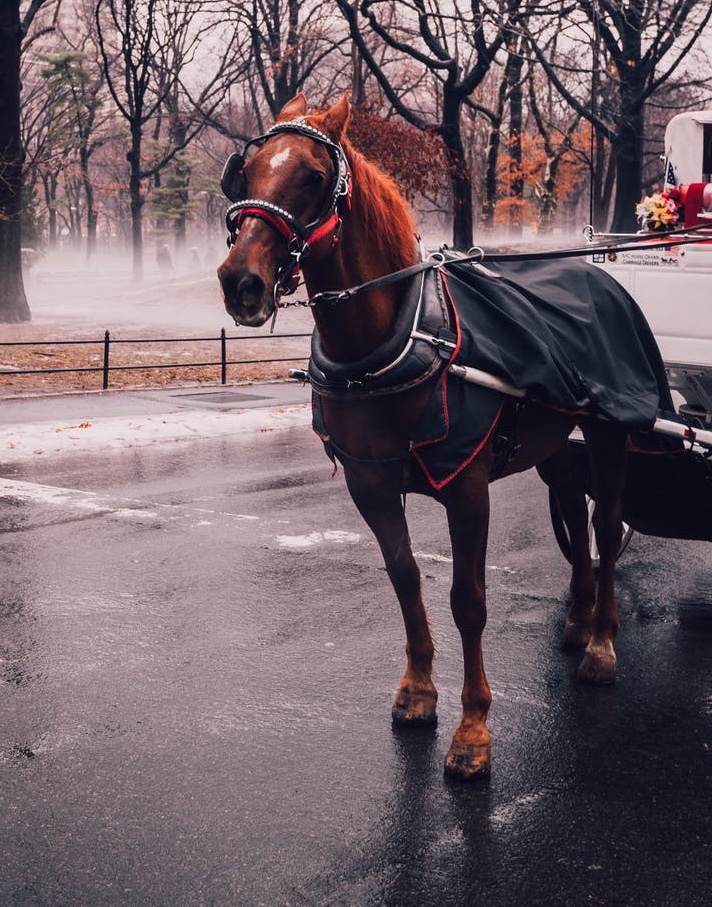
At this time your horse can be fed and watered, keeping in mind to check on your horse in a couple of hours. Only blanket and or turn out if your horse is completely dry.
 Happy Healthy Horses