– Equine lameness, a quick hop through some key points! (Yes pun intended- sorry)
Seventeen quick points to think of about equine lameness
– I know –
I tried to make it ten or twenty as it would be so much neater but it came out at seventeen……so here we are!
1. A forelimb lameness is identified by looking for the head nod. The head will go up when the lame limb hits the ground and down when the sound limb hits the ground. It is easier to notice the ‘head nod’, therefore when the head nods, it is the opposite leg that is lame.
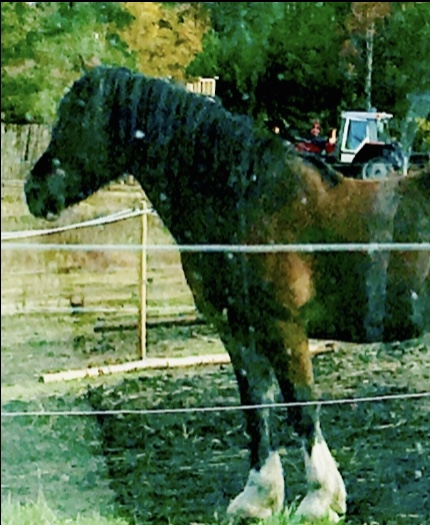
2. Another way of working out which front leg is lame (or a little unlevel if not hopping lame) is to walk in the same steps as the horse. You will begin to feel that one leg holds the ground a little longer than the other. The leg that is in the air for longer and on the ground for less time is the lame leg (or less well developed due to exercise or activity).
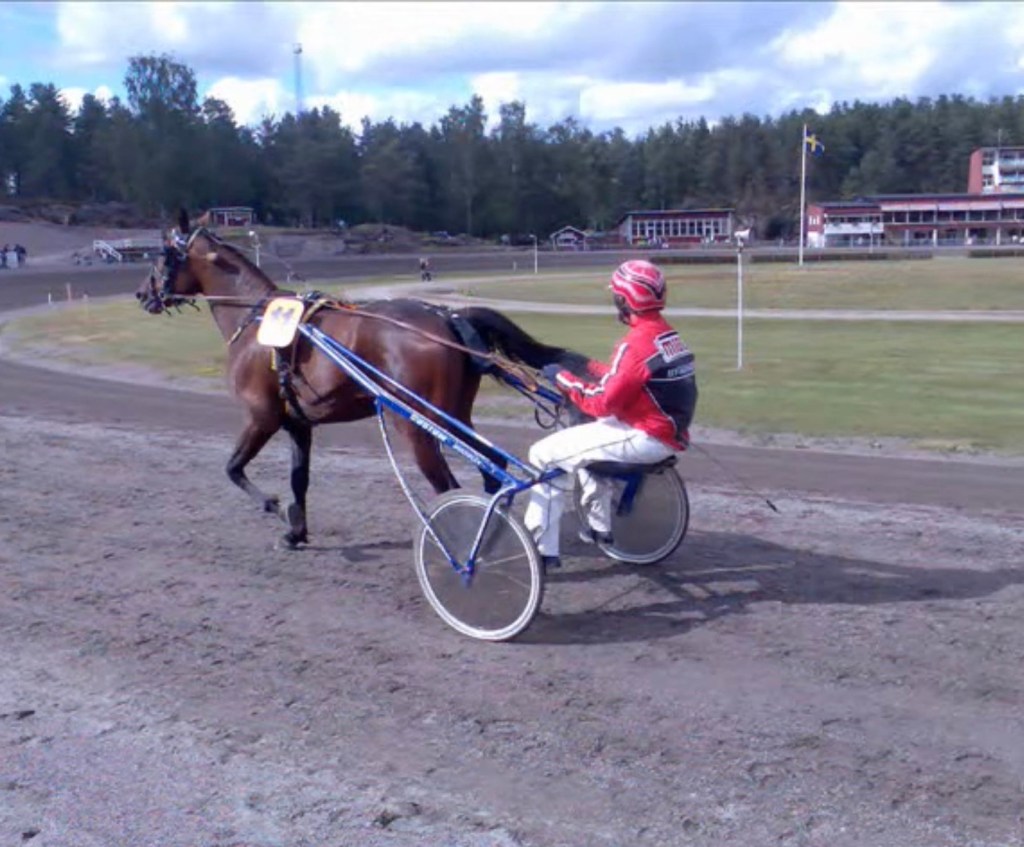
3. Some horses can appear lame if we don’t understand how they have been trained. For example I work with a number of trotting horses that only run on the circuit and are not trained to ride or do much else. Because they only run in one direction, they build uneven muscle across their front torso and legs and can appear ‘unlevel’ or ‘a little lame.’
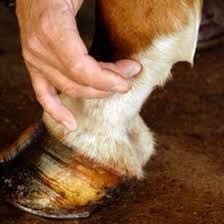
4. Check for heat and a pulse. Inflammation brings blood to the area. Learn where and how to check for normal pulse and abnormal pulse and do it often enough that you are sure how your own horse feels normally. You are then ready to identify if something is not as it usually is. Change in this case commonly indicates a problem.
5. A horse with soft tissue damage will often get worse as he goes and is often more lame on a soft surface (ménage), as the tissue such as an affected tendon or ligament is being stretched more than it would be on a hard surface with no give.
6. A horse with bilateral forelimb lameness will be harder to detect as the head nod will now be apparent when both limbs hit the ground. However he will show a shorter extension phase (his forelimbs will not come out very far from underneath him resulting in a ‘choppy’ gait).
7. If you are struggling to detect lameness get the Slo-Pro or coaches eye app for your mobile phone and record your horse. This will slow everything down until you train your eye into detecting lameness.
8. Front leg lameness (and especially involving the shoulder) commonly means that it is harder work for the horse to walk down a hill than it is to go up.
9. A hind limb lameness is more difficult to detect. If you watch the horse trotting away from you, the lame leg usually has more movement at the hip. It can appear as if the hip is dipping down. It helps to attach white sticky tape to both hip bones to make this more obvious to the eye. And choose a strong coloured tape if you have a horse with broken colouring such as a paint.
10. Putting a horse on a circle (lungeing), often shows up a forelimb and hindlimb lameness more easily.
11. If the horse looks lame on one limb, but has a stronger pulse or heat in the opposite limb, it is usually because the sound limb has taken more weight to allow pressure relief of the affected limb.
12. A horse with arthritic wear and tear (common in many older horses), will often get better as he goes, which is known as ‘warming out of it’. The lameness will usually be less obvious after a few minutes. Additionally he will often be worse on hard ground (tarmac) in comparison to the ménage. This is due to more concussion on his joints. This is the same regardless of whether it is a back or front leg or even the joints in the spine that are affected.
13. A horse can look completely sound without a rider, and then almost three legged once someone is on board. Therefore if your getting a feeling that something just isn’t quite right, do not just trot him up on the straight or on the lunge and assume all is well.
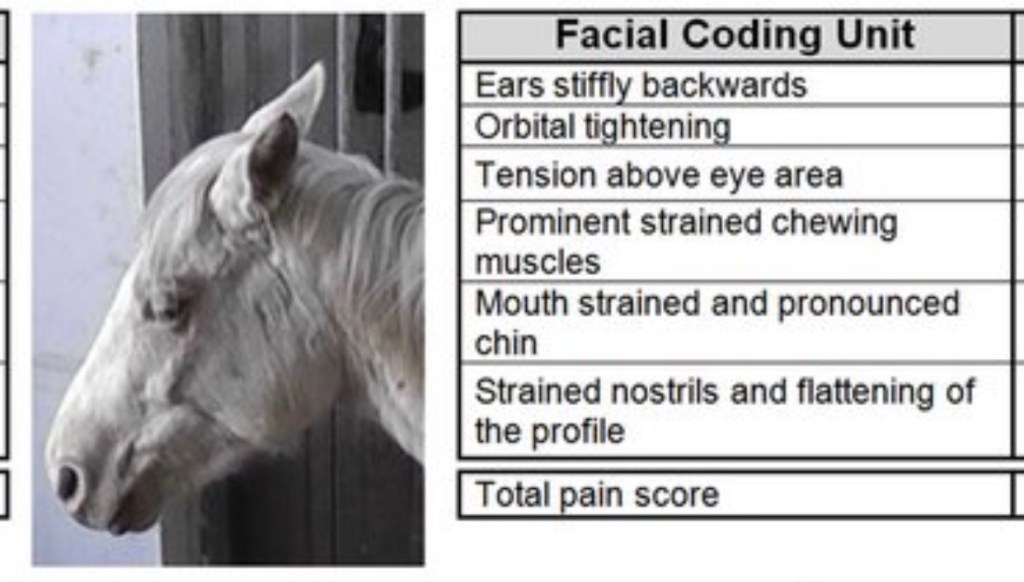
14. Learn the pain facial expressions of horses and look at your horse. In research on pain during and after gelding castrations the horse grimace scale was proposed by Dalla Costa, Emanuela & Minero, Michela & Lebelt, Dirk & Stucke, Diana & Canali, Elisabetta & Leach, Matthew. (2014). (Development of the Horse Grimace Scale (HGS) as a Pain Assessment Tool in Horses Undergoing Routine Castration. PloS one. 9. e92281. 10.1371/journal.pone.0092281.) They listed pain facial markers as ears flat back, area around the eyes tightened with tension over the eye area, prominent strained chewing muscles, mouth strained with pronounced chin, and finally strained nostrils with a flattening of their profile. I often treat horses where their chewing muscles and over eye muscles bulge and feel tight to the touch but who show only minor lameness signs and sometimes intermittently. Take time to know your horse (or the horses in your care) and learn his or her expressions.
15. If your horse begins to behave differently begin with the assumption that there is pain somewhere in his or her body and not that they are sour in their work; check the saddle, the shoeing or foot trimming, the teeth and the above list and call the vet and/or bodyworker before you decide to look at behavioural training. My old horse, Luke was always both the most tolerant and overexcited boy right into his forties but I first learned in his late 20s that he was beginning arthritis in one hip as he had a strong preference for one canter lead after years of excellent moves on both sides. X-rays gave the bad news and a range of therapies and approaches helped but it would have been so easy to go retraining, especially if he had been a little younger or a bit less predictably exciteable! Over the years we were together, I learned to trust his judgement upon what his body could do on a day to day basis and the more tuned in to him I became, the less pain or reluctant signs he showed. This meant that one day we might wander the lanes side by side as two old friends and yet another day the saddle would be offered and he would stand still to offer his back then begin to jog in excitement as we moved towards a nice soft forest track where he knew a canter was on offer. I believe that listening with my eyes and hands to my older horses has allowed me to have the good fortune to have a nice long time together with some of them! I’ve had the benefit of the lessons and wisdom of several horses who have lived into their 30s, 40s and a dear old pony who made it to her 53rd year before leaving us for wherever ponies go if they do after this life!
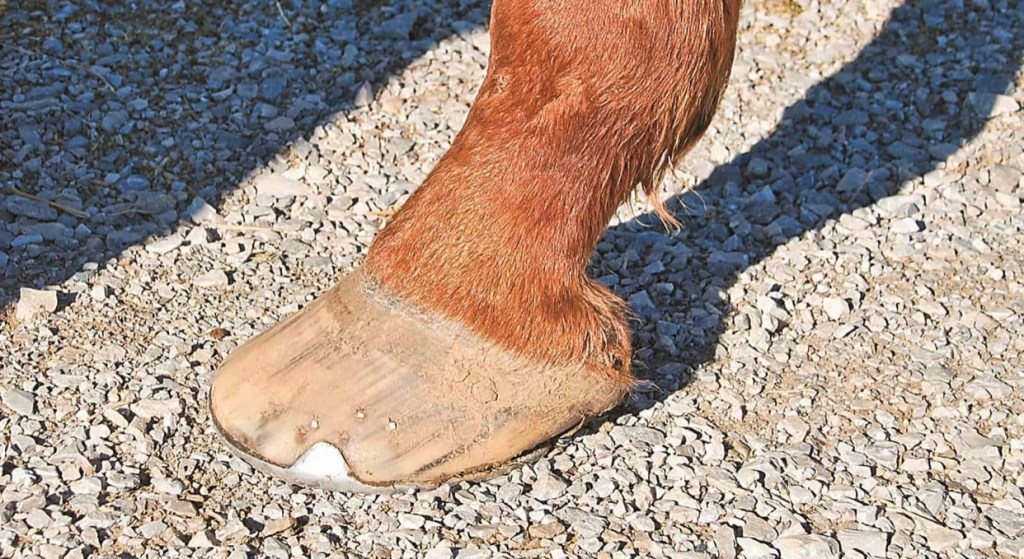
16. Just a little thought about feet; Shoeing/trimming intervals should be kept as short as possible. Studies have shown that as the toe grows, the foot ‘shoots’ forward (long toes, low heel), putting excess strain on the flexor tendons. If your horse always looks slightly ‘off’ just prior to the hoof professional’s visit, then this is a very probable cause and it may be worth shortening your shoeing cycle. Excess strain on the tendons of the hind leg can also affect the lower back and the sacroiliac joint resulting in significant performance and even quite dramatic behaviour problems as well as long term structural damage.
17. As a horse owner, developing an eye and feel for lameness is one of the greatest skills you can learn. This will not only allow you to have your horse treated more quickly, but will hopefully nip smaller issues in the bud before they escalate into bigger ones.
 Happy Healthy Horses