Let’s Dive Deep into some
Important Riding Horse Muscles
– The bottom line
When someone mentions the bottom line in horse care you would be forgiven for thinking they are talking about your finances now that you have one of the most expensive possible pets but in fact I am talking about the flexor chain which is literally the bottom line of the horse!
We are used to attempting to build up ‘top line’ or the muscles that lie over the horse’s spinelie underneath the spine, in front of the hip and include the abdominal muscles. They are also known as the flexor chain as they help to flex the hip and vertebral joints, raising the back and withers and lowering the head. As part of the ‘core’ muscles they have an important role to play in supporting and maintaining the correct posture of the back. They are also important in all movements requiring collection.
The Brachiocephalic Muscle,originates at the poll and inserts into the humerus just below the point of the shoulder. Its main functions are to flex the cervical vertebrae bringing the neck downwards and head backwards and to create lateral flexion in the neck moving the head from side to side. It is also the main muscle pulling the foreleg forwards during the swing phase.
The Sternocephalic Muscle, running from the sternum to the Mandible, flexes the neck and pulls head down as well as helping to open the mouth and support the jaw.
The hyoid apparatus, an important part of the swallowing mechanism, which is suspended at the base of the skull, consisting of several joined portions, the most important of which is the basihyoid. This is the central bone that has a portion called the lingual process that is embedded into the root of the tongue. A number of muscles fan into the tongue, or attach onto the basihyoid.
In this case we will consider one of those muscles, the Omohyoideus.
Omohyoideus originates in the subscapular fascia near the shoulder joint, and attaches onto the lingual(tongue) process of the basihyoid bone. It retracts the basihyoid and the tongue. This is significant in ridden horses, as the tongue and lower jaw must be allowed to move freely and glide forward to achieve true relaxation of the poll and jaw. Tension in this area caused by restrictions in musculature, or from teeth imbalances and associated pain in the mouth, or from bitting, bridles, tight nosebands, insensitive contact and so on will restrict movement. And this restriction will run backwards in a chain to the lower front portion of the hind leg.
Fascial and muscular connections from the mouth backwards mean that restrictions in this area create restrictions in movement in the hind quarters, i.e the engine can not push the horse forward correctly as the brakes have been put on at the front. This is a biomechanical issue.
Abdominal Muscles, consist of the rectus abdominae, the transverse abdominae and the internal and external abdominal oblique muscles. As well as supporting the abdominal viscera, aiding breathing and defecation these muscles also work together to help to create flexion (lift) and latero-flexion of the thoraco-lumbar region of the spine.
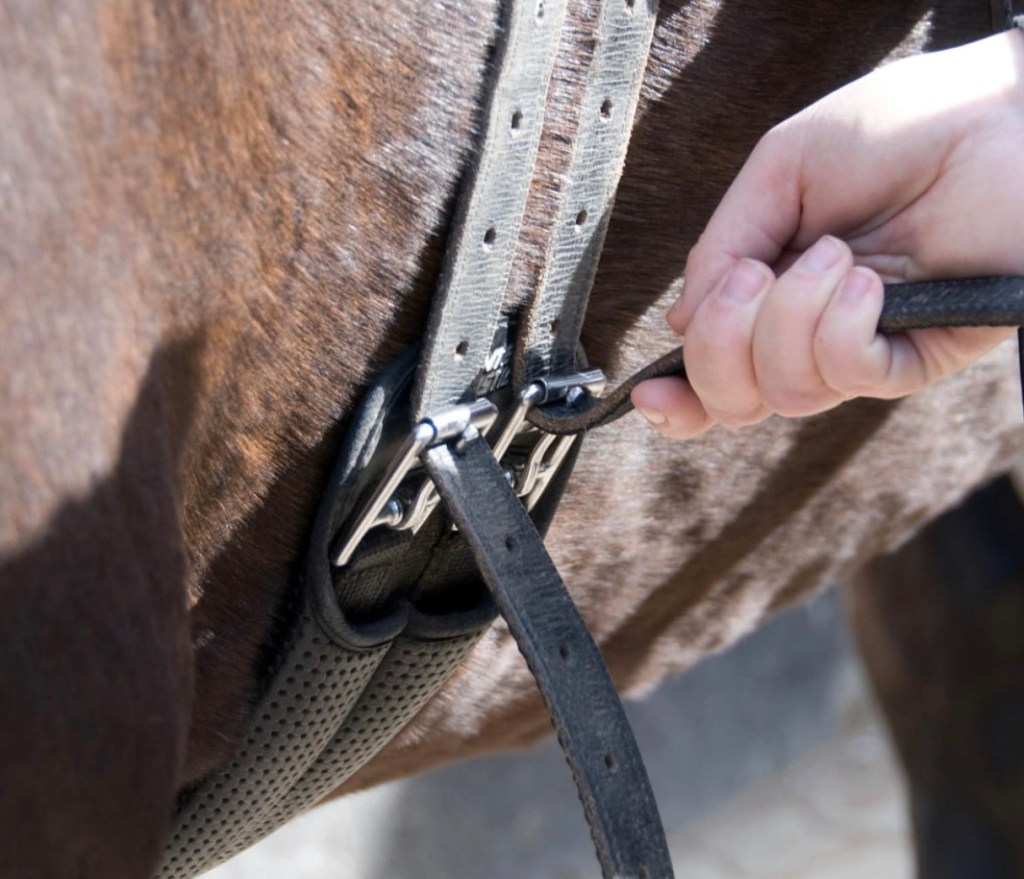
Again it is worth considering what other actions beside movement these muscles undertake. I have seen young horses who are unable to maintain a canter precisely because they have not learned how to manage the combination of cantering with a rider on board (& the concurrent effect of saddle and girth pushing and pulling in their midriff) and breathing at the same time. This means breaking out of the canter and dropping back into a trot. They need to learn how to breathe and move with the restrictions and challenge of extra weight on their back. Consideration of the best girthing set up should also be a part of tacking up the young or green horse.
The Iliopsoas Muscle Group consisting of Psoas Major, Psoas Minor and Iliacus lies and attaches onto the ventral (underneath) side of the lumbar spine (the bit of the spine behind the ribs and in front of the hips- if you ever rub your lower back after picking something heavy up; that’s your lumbar spine) and pelvis as well as the minor trochantor of the femur.
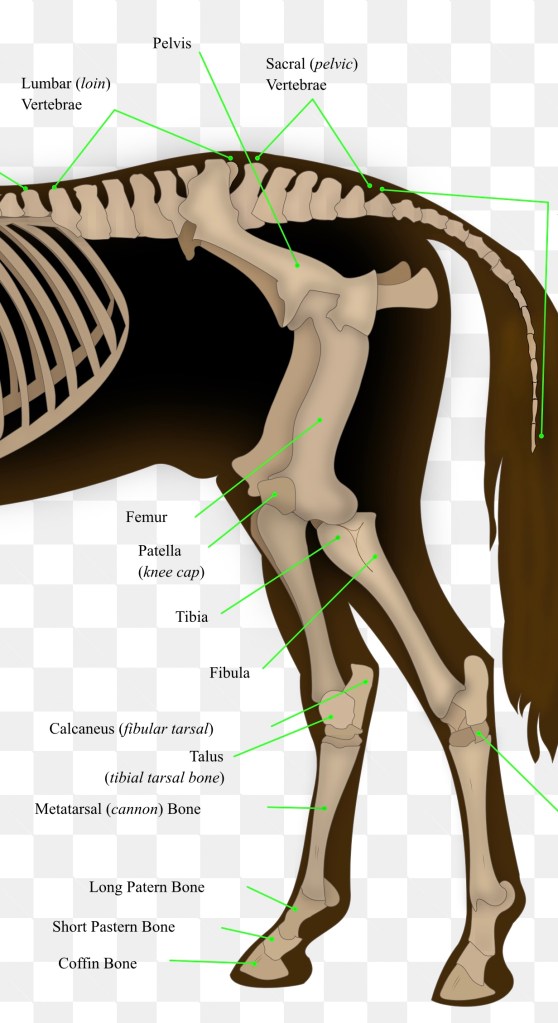

This muscle group is one of the main contributors to hip flexion and movement of the pelvis through flexion of the lumbo-sacral junction. A way of visualising this is if you consider what your horse does with his or her body when they are getting ready to pee – you will see their back appear to rise and their pelvis or hips appear to tilt. This is the area we are talking about!
This muscle group can often be considerably tight or stiff and this is often mirrored in the same stiffness in the rider. Chicken and egg discussions don’t help here but ensuring both rider and horse receive bodywork and retraining in the use of the illiopsoas can hugely help the partnership. The papas is also known as the muscle of emotion especially in humans. It is worth considering if we are in a good mental state for riding (and if not getting help from a confidence coach or similar) and how our horse is feeling about his work.
The Tensor Fascia Lata Muscle runs from the tuber coxae (the bony bit you can feel sticking out on your horse’s hip) via fascia to the stifle.
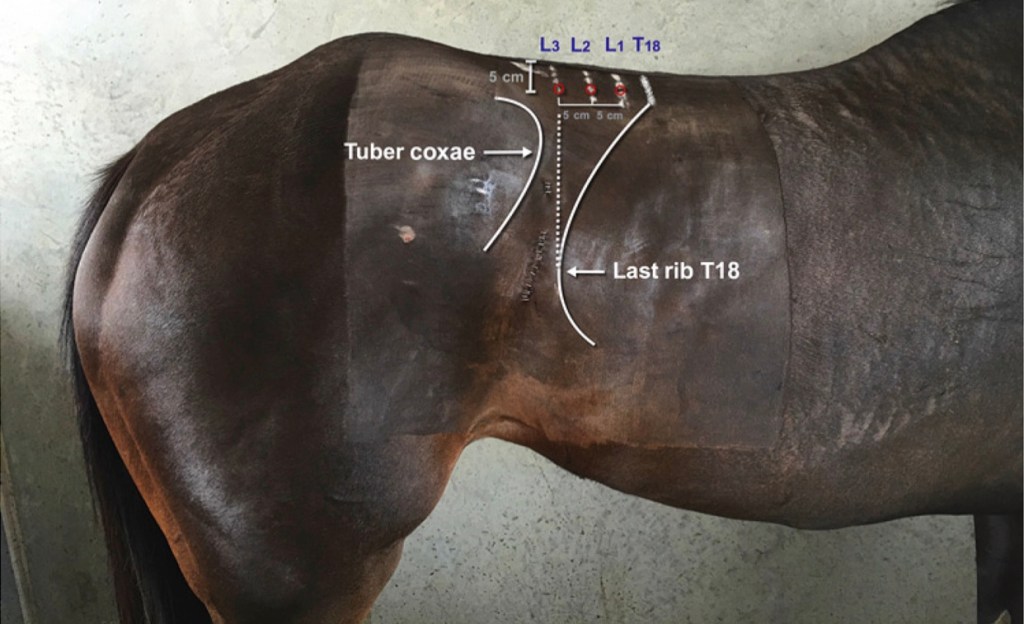

Along with the rectus femoris (part of the quadriceps muscle group) this muscle is the main hip flexor, really recruited when advancing the limb forwards.
Several important muscles run from the shoulder and sternum to the hyoid. When the tongue is relaxed, these muscles will be relaxed, allowing the horse to lift up through the wither and back ,and correctly engage the hind quarters. There are strong fascial connections through the subscapular shoulder girdle pectoral and serratus muscles from the cervical vertabrae to the abdominal obliques, which also connect to the tuber coxae (point of hip). These form strong lateral relationships along the body with overlying cutaneous trunci fascia linking the forehand to the hind quarters. Ventral chains of muscles including deep pectorals, rectus abdominis and ileopsoas also form strong links through the body and help support the trunk and viscera enabling the horse to round over his spine when ridden.
Broadly the picture below shows the connection between a few of the muscles in the ventral chain. It is worth remembering that the horse’s body has a fascial web that holds the whole together with muscles, bones, ligaments and tendons in tensegrity ( a word derived from mechanical engineering which can be described as the concept of muscular-skeletal relationships based on the work of architect Buckminster Fuller; it refers to the forces of tension (provided by muscles, tendons, ligaments, and fascia) pulling on structure (bones and joints) that help keep the body both stable and efficient in mass and movement.) I will talk more about tensegrity as a concept that helps us in our riding and developing our horses’ bodies in a future blog or two!
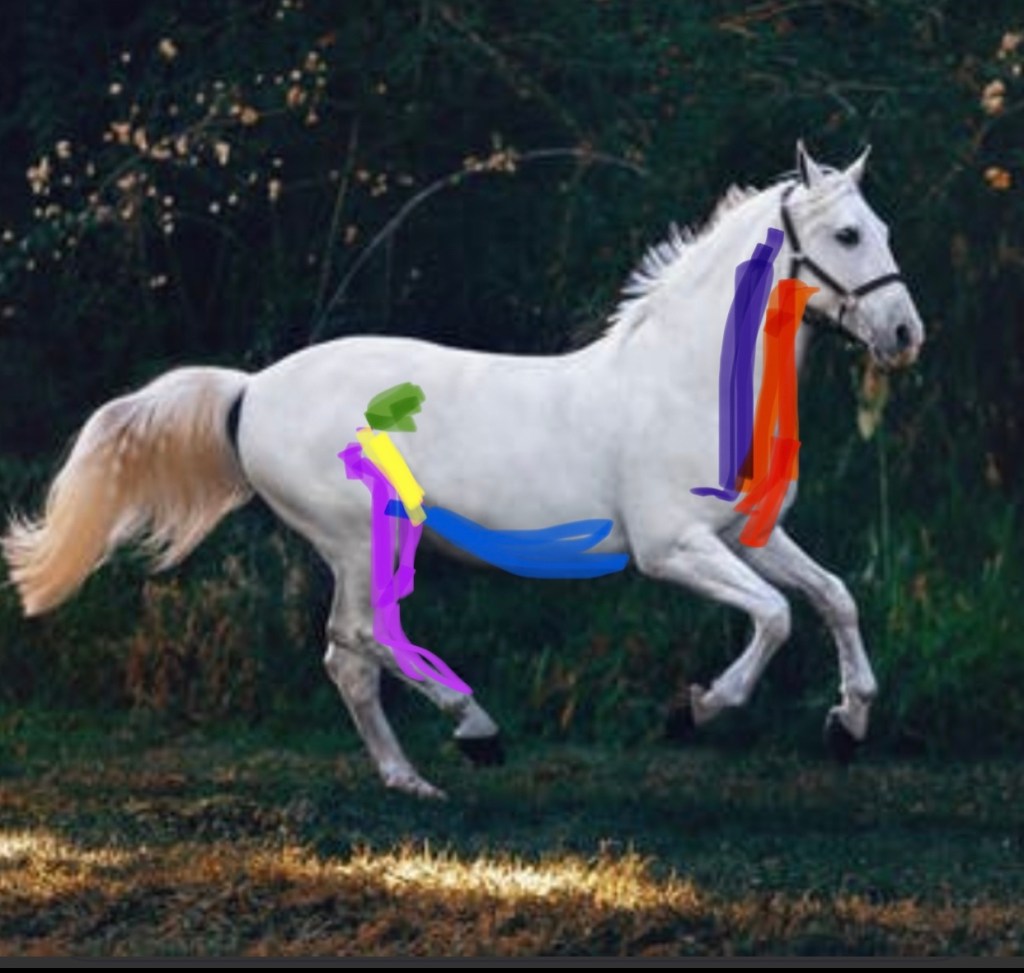

Red – sternomandibular
Purple – brachiocephalic
Blue – abdominals (abs)
Green – illiopsoas
Yellow – tensor fascia latae
Top part of pink to knee- quadriceps
Lower part of pink from knee – digital flexor muscles
Building bottom line is as important as building top line and paying attention to massaging and stretching that line is also of equal importance.
So what things affect this particular bottom line?
1. Consider your girth with at least the same care you take in fitting your saddle. Your saddle can be fantastic for the top line but if your girth adversely affects the bottom line you will continue to experience frustration in trying to build correct movement.
2. Bear in mind the connection between the mouth area and the hind legs! If your horse is constrained in the movement of one area, it is part of a chain that will affect the other. Each of these muscles link to one another. Make sure the bridle you use fits correctly and that any bit allows space for the tongue. Check the fit of the noseband for comfort, ensuring no pressure over sensitive structures and facial nerves.
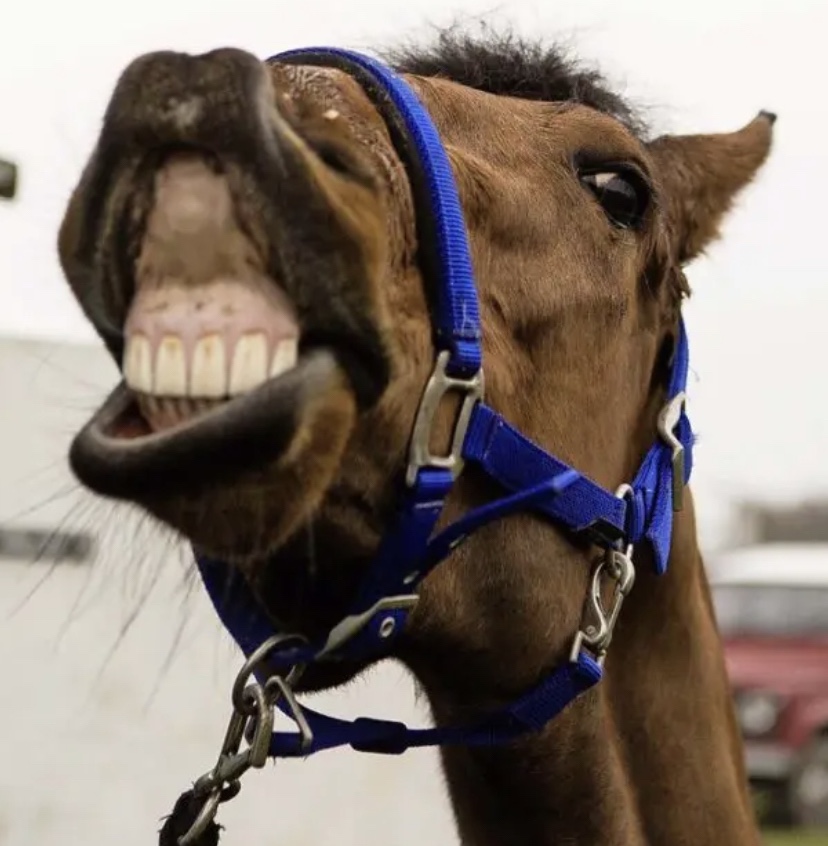
3. Bear in mind what you do with your hands (whether riding or driving) will affect not only what happens at the front but also the back. If you are riding and want to slow the horse or shorten a stride it is great to learn to use your body balance and position as the first port of call for this before using the hands. This enables the horse to adjust their own balance and creates a proprioceptive pattern that will help them improve movement (rather than allowing you as the rider to be constantly in the position of taking responsibility for micromanaging every small movement or even holding up or together the horse’s body – as when a horse leans on your hands as if requiring you to hold their head up)!
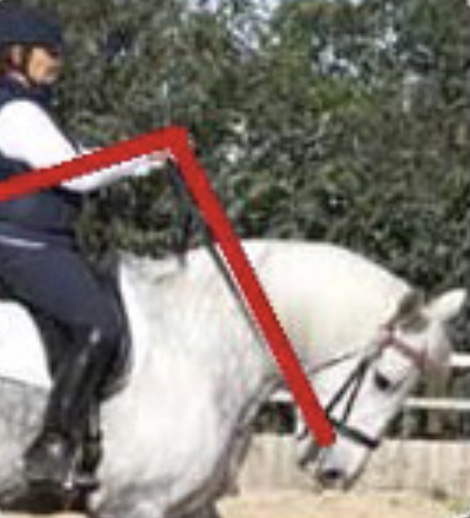
4. Equally if the hind legs are constrained or prevented from moving with free swing, this can affect the position of the head. Having a saddle too small for the rider can cause the rider to sit and move in a way that impedes the hind quarters.
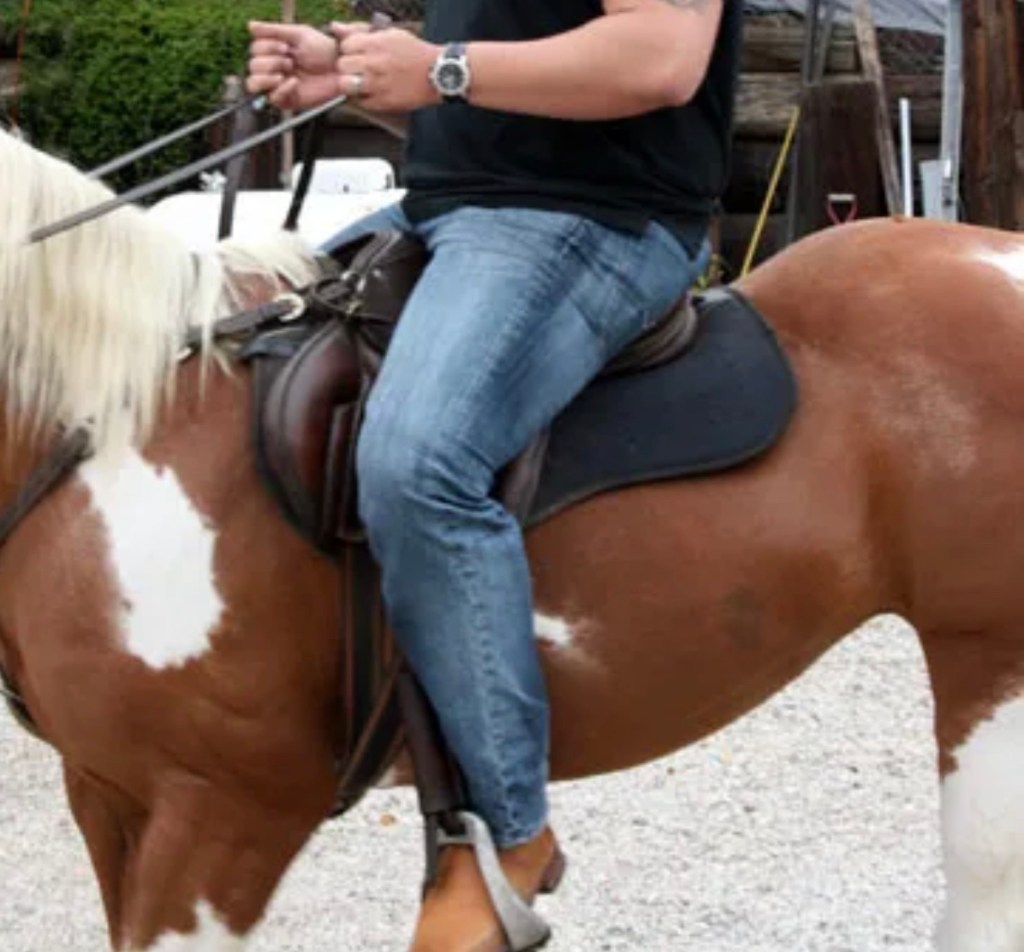
5. Physio or other body work treatments regularly can help the horse develop more comfortable and free movement, while checking out your riding with a biomechanical based instructor can help to make sure you allow and do not block either front or back end movement for the horse.
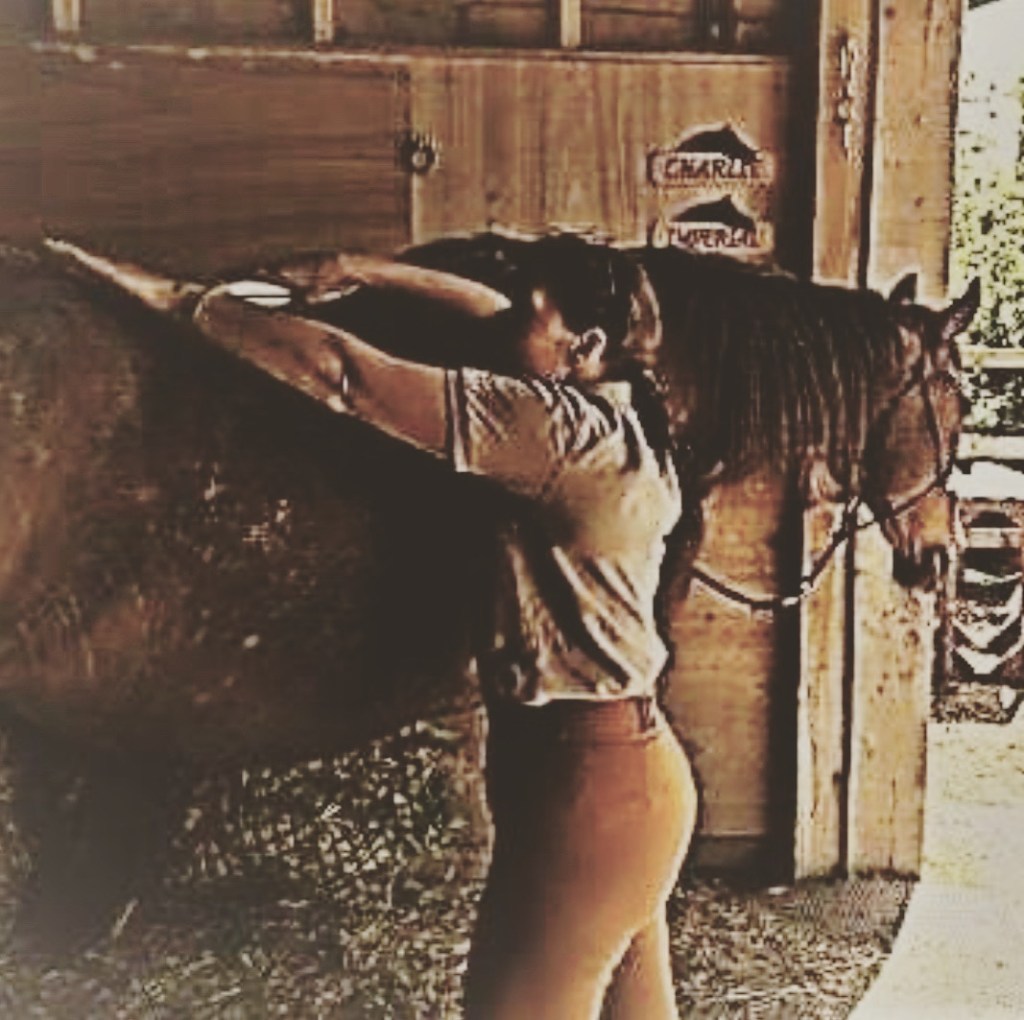
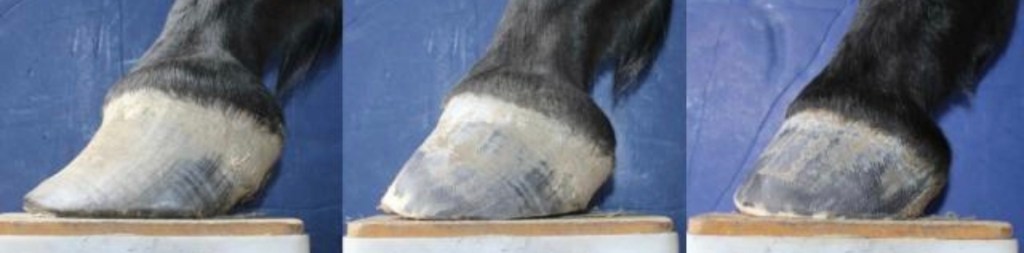
6. Foot balance will affect the bottom line – if the foot is in some way out of kilter, this affects the digital flexor muscles and you can see how the problems can then potentially run forward.
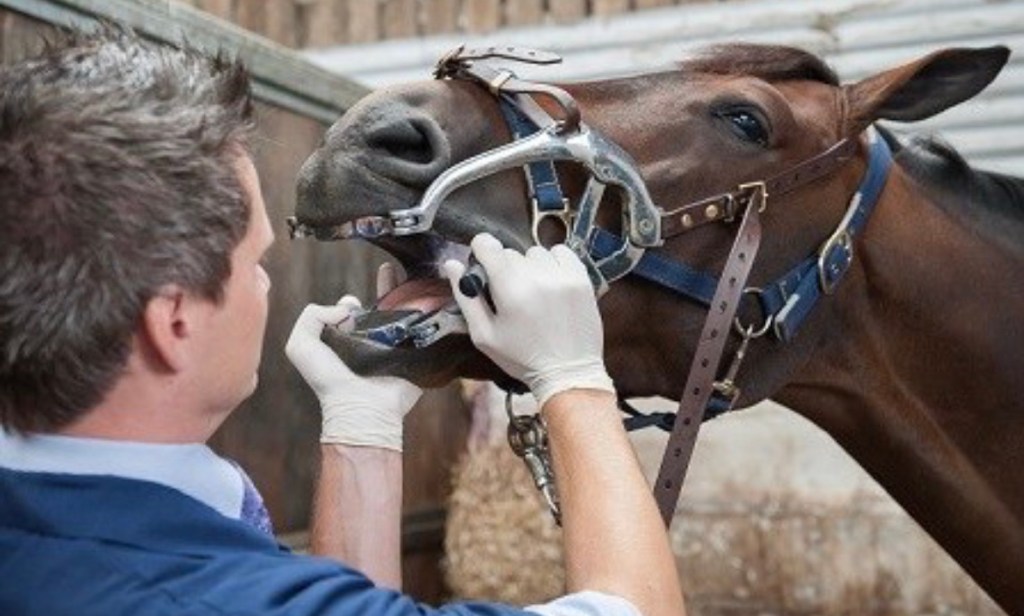
7. By the same token checking teeth and oral balance avoids any imbalance running backwards.
8. Performance horses may benefit from extra bodywork to help maintain flexibility as their muscle strengthen. Strength without flexibility and balance creates stiffness.
9. Consider getting bodywork for the rider as well as the horse.
10. Consider how you and your horse are emotionally apart, together and in specific ridden tasks. Try to have some ‘down time’ for both of you together. Try another discipline or have some fun together doing enrichment activities like an apple hunt or learning a trick (but keep it light).
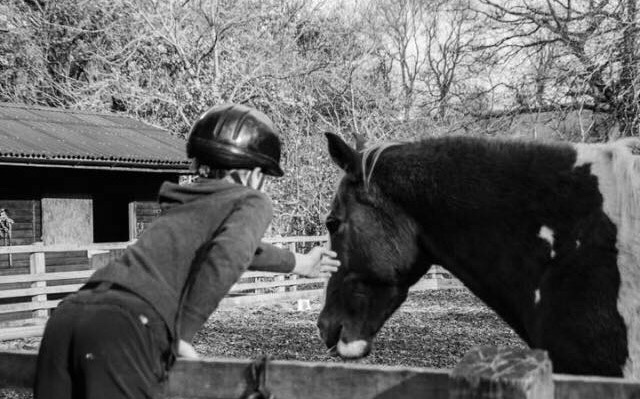
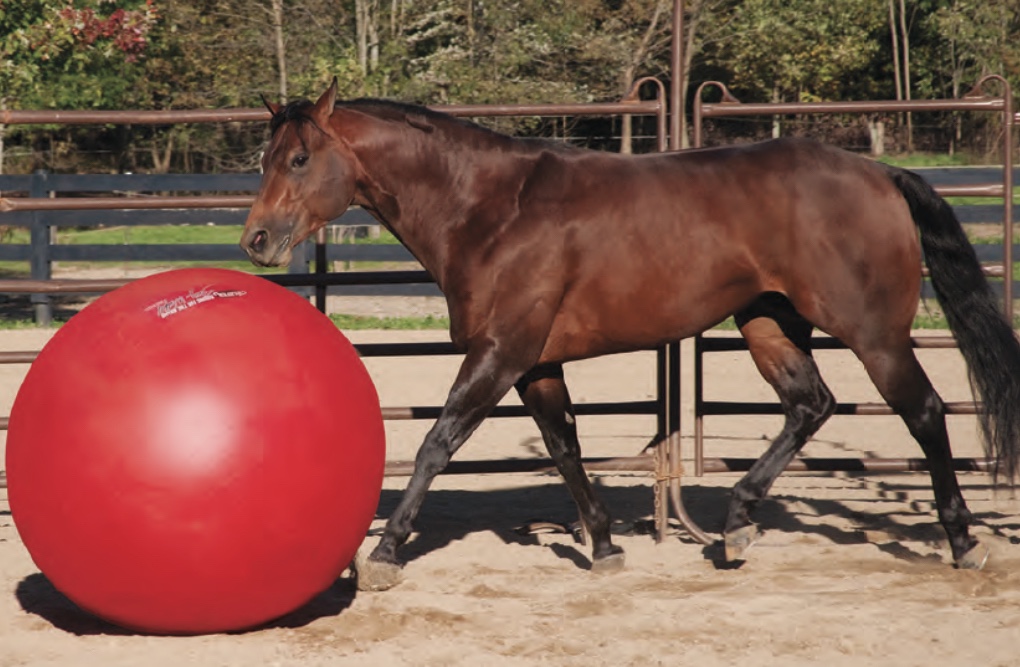
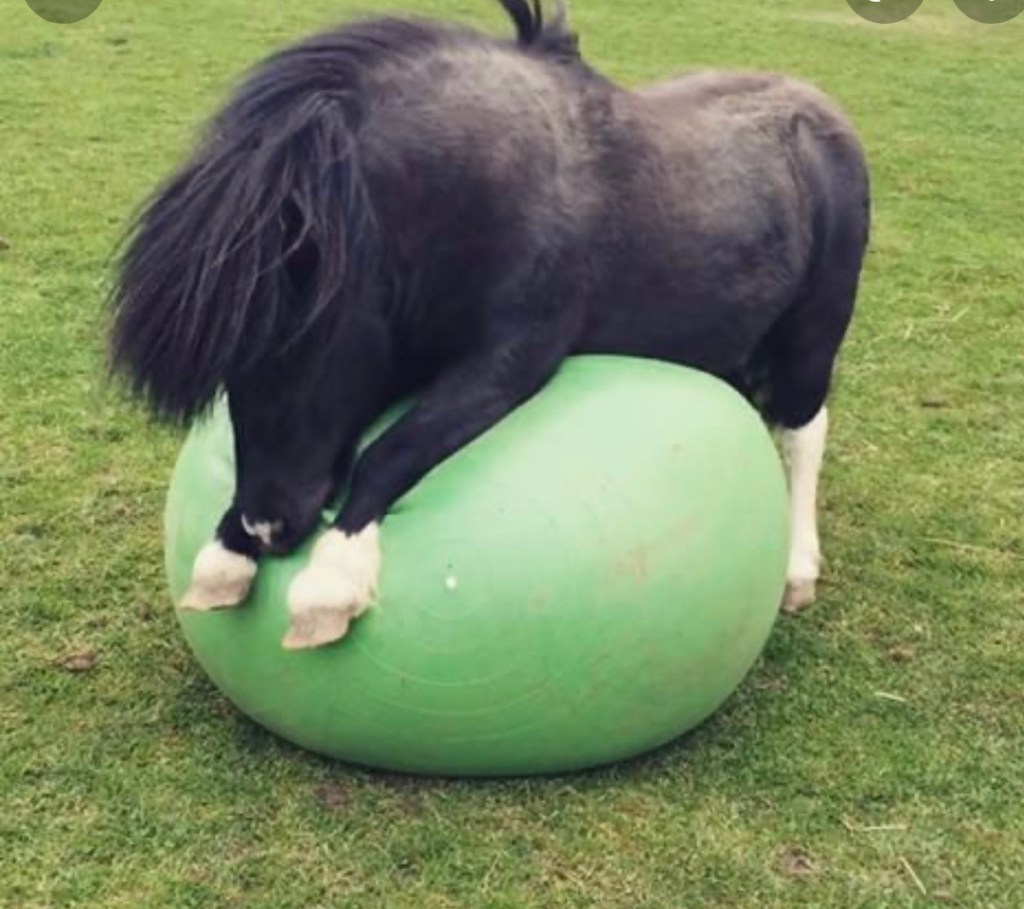
11. Exercises that improve balance, core and proprioception without a rider can be incorporated into down time fun (such as pushing a huge gym ball with the nose to find treats under it can be both rewarding and fun but at the same time train the neck and front legs, exploring balance cushions and plates to and trying some labyrinthine challenges )- ask your equine physio for some activities and fun with proprioception, flexibility and balance to complement the strength training you will be doing in riding or driving exercises.
It is important develop a full picture of our horse’s body and their movement rather than just focusing on one or two areas like building top line which has become a buy line for feed and tools like equine bands and strings attached to bridles – perhaps bottom line can come to be as important in our training plans?
 Happy Healthy Horses