And how using their mirroring can help with muscular development and building good movement patterns
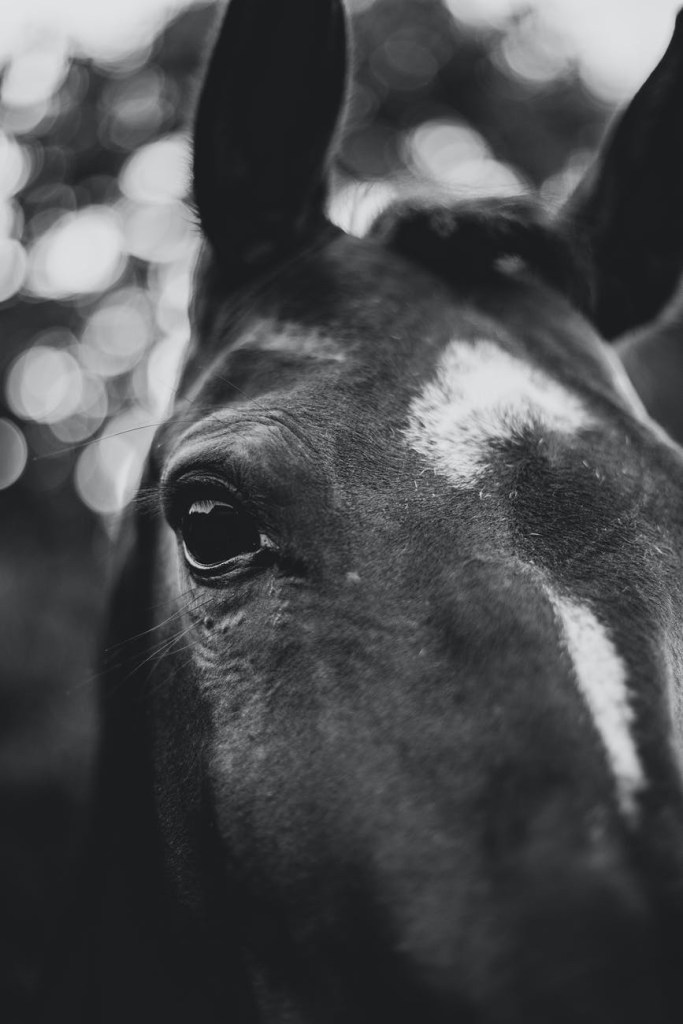
Horses have more mirror neurones than most any other creature we have studied.
It’s what enables them to read human emotion and be able to hold space in therapy sessions. It is what allows them to flow with the herd and instinctively respond to the behaviour of predators.
It’s what keeps them alive in the wild.
It’s what makes them create the same tensions and body patterns that their riders do.
It’s what causes them to behave differently based on how their handlers feel.
And it is also what we can do as riders to help them come back to center in a more natural and kind way. It seems counter intuitive to do this when a horse you are riding is supremely unfocused or even rather hot, but if we can focus on us, our breathing, our movements and our energy we can often take advantage of those mirror neurones and slow the whole event down to a meeting point where we and our horse can work together rather than against each other.
Because of my rehab job I am more commonly on the ground with horses nowadays than in the saddle and it fascinates me how much my need to manage my own energy and movement affects the effectiveness of my work. I have learned that some horses know how to behave in certain exercises but essentially freak out when faced with proprioception or balance exercises which challenge their mind and body and may also cause them to feel sensations they have long forgotten. In those moments, the most obliging riding school champ can become a apparent fire- breathing bucking and rearing monster on the end of a string (lunge line or rope) and it becomes my job to manage my own responses to that change. Firstly to manage energy within my body and after to understand what just happened.
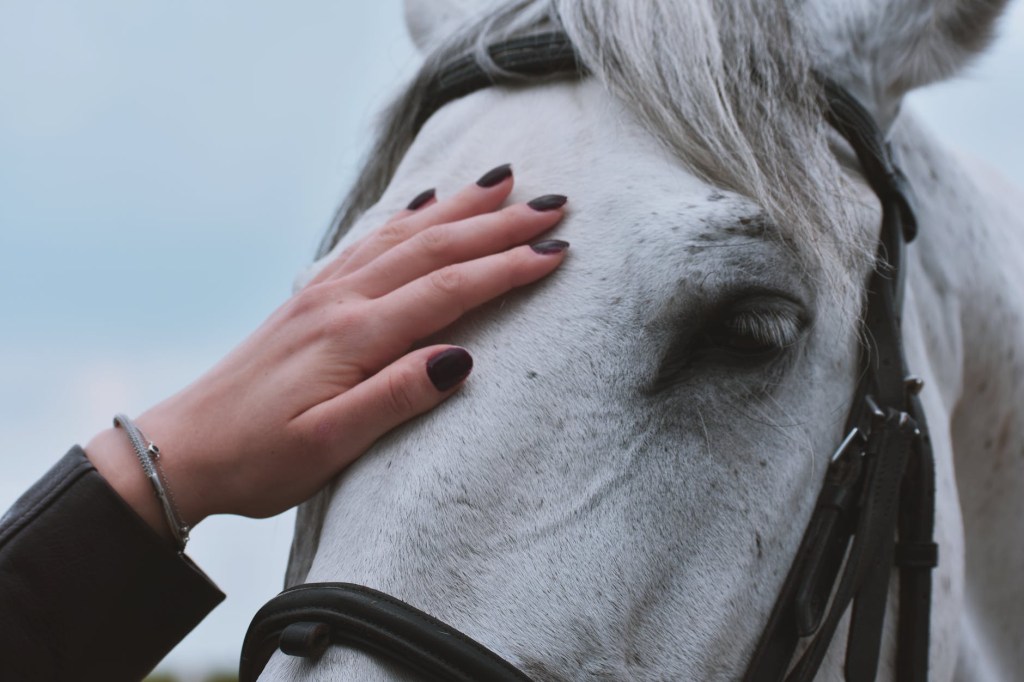
For the horse who has learned his trade (be it that he may have learned a set of muscle patterns that don’t especially help his longevity) in a particular situation and doing certain exercises with certain other horses around, the complete change of demand can be overwhelming. If you always walk a little stopped because you type on the computer and carry heavy bags between home from shopping, being asked to move as a beginning ballet dancer or begin marshal arts could be a huge challenge, causing stiffnesses you have held in your body to come to the fore and you would anticipate this but our horses are not expecting to sense the changes. When I was a kid I was on traction with a raised bed for a number of months. I remember crying and terrified as they lowered my bed because it felt like I would slide off the bottom when in fact it was just coming back to horizontal. Our sensory system gets used to how we are, even if how we are is not how we should be.
But I digress. Understanding that the horse I am training has a good reason for freaking out doesn’t help me in the moment but an ability to manage energy, raising an lowering as required just how excited I ‘feel’ to be around can make a huge difference.
I am enormously thankful to a good few years working in behaviour ethology with horses and studying wonderful horsemen and women who are masters at this energy management as it has set me up with models I can at least imitate myself if the going gets a bit more exciting than I’d like!
Using my own mirror neurones (we have them too and they are enormously important in our social, psychological and physical development) I can mimic a good horseman or woman until I’ve sorted my body out, regulated my breathing and grounded my stance so I don’t get dragged at speed around the rather large indoor school I have the pleasure to work in at our local riding school.
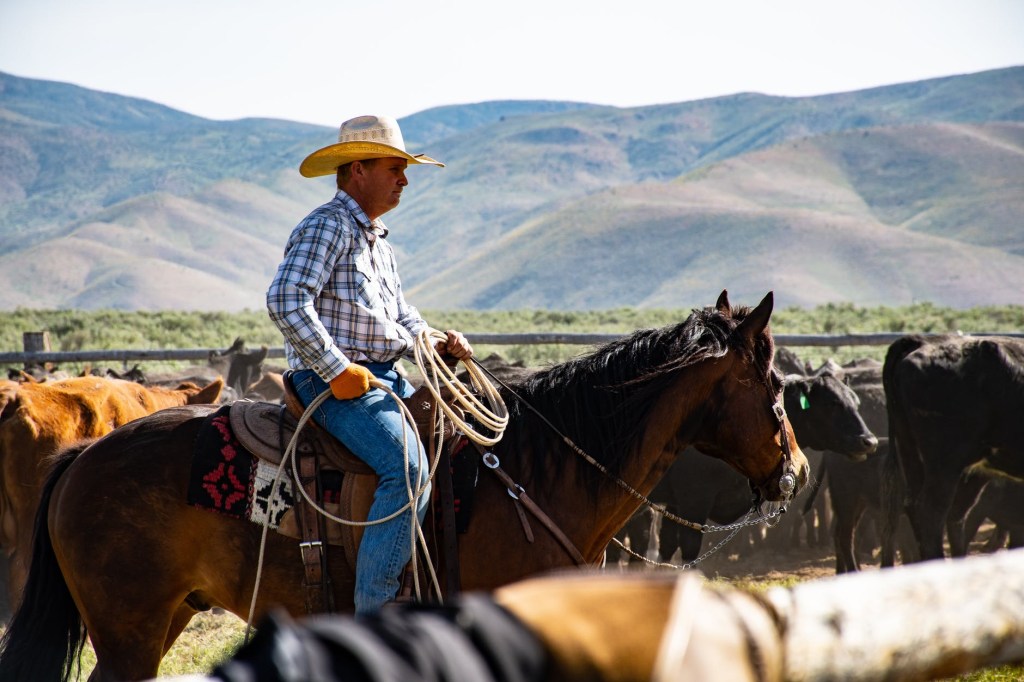
When I became a body worker, I started seeing that the horse and humans kept having similar tensions and movement patterns, even where it reflected really deep muscle one might not expect to be affected by the weight of the rider.
Horses are hugely empathetic beings and masters of grounding energy, so it seems to make sense that as social herd animals being used to flowing together with the herd they might well draw in pains and tensions from their rider and neurologically we back this up with an understanding of mirror neurons.
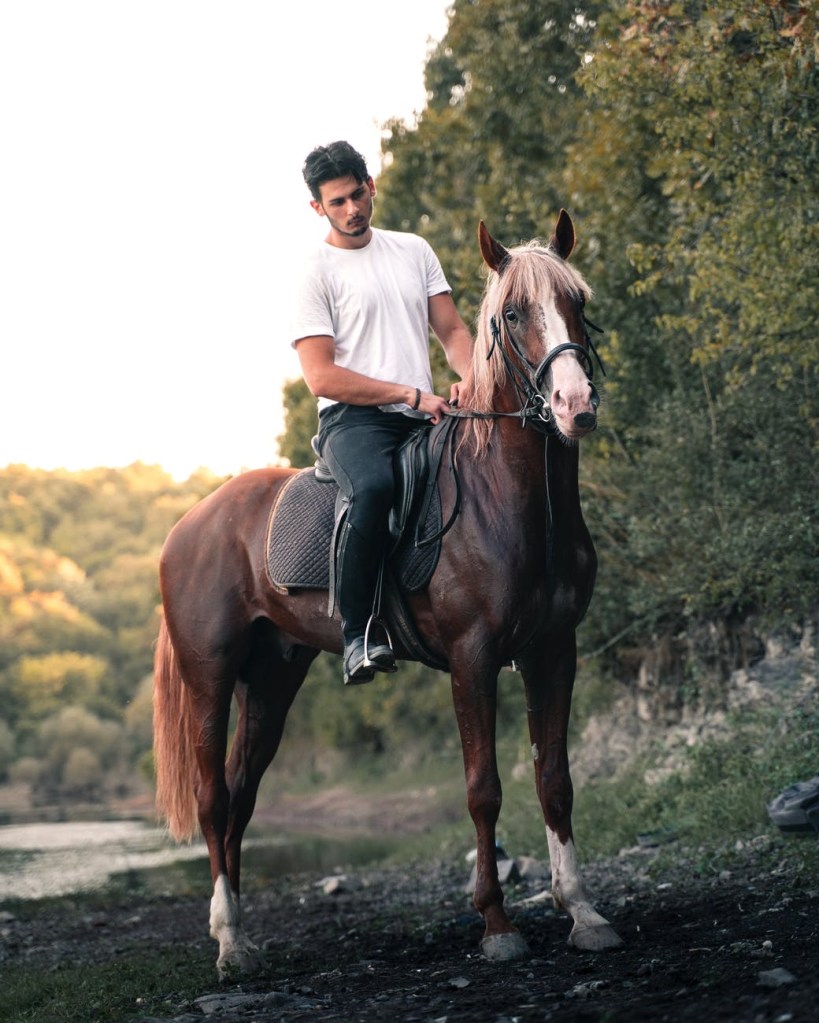
The fact that a horse will mirror is both brilliant and potentially disastrous for them. I have uneven legs and so must be careful in how I move.
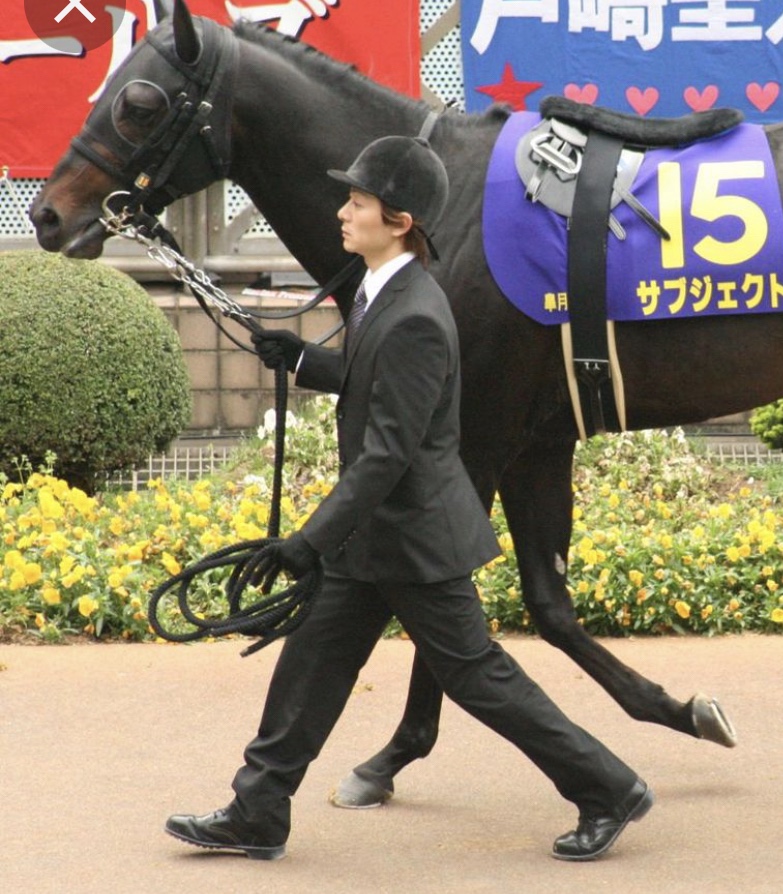
I have seen a number of horses effectively copy their trainers even on the ground; for example, if a trainer is short striding with her left leg. The horse will often respond with short striding in his left hip. If the handler then places an emphasis on extending that leg, the horse will most probably reach under more and be able to collect more correctly.
When a bio-mechanical riding instructor encourages you to drop the stirrups and get the correct pelvic tilt and leg on so the horses spine takes the correct bend in a circle, so that without any real weight in the reins, the horse will naturally mirror you as the rider, collecting and giving subtle lateral movements that would normally take quite a bit of force and manipulation were it not for those mechanical changes.
As an example; Asking a rehab rider to look up (as she would going over jumps) while travelling over cavaletti magically removed tripping from her horse the other day while I was watching one of my patients rehabilitate after veterinary treatment. It was interesting and a little worrying also to see when the rider and I were talking more generally about her rehab (while the rider was riding and so distracted a little) that the horse tripped significantly over the same cavaletti. The riders head had changed position to down and a little to the side as we talked and that was enough to change the dynamics of the movement. The rider also cares deeply about this horse and quite possibly held a little tension in her body while thinking about the rehab process.
In the last blog post I wrote about the bottom line and how the hyoid in the horse’s mouth/throat is connected to their back foot. This mirror neurone magic means that the slightest change at the front (a change in the weight of the riders hands or their head position, a tightening of the illiopsoas due to emotion or excitement) will be mirrored in the horse and can hugely affect the movement further back.
As a bodyworker, a trainer, a bio-mechanical riding instructor and an educator, I feel it is my work to both understand more fully and inform more fully on this fascinating area where neurology meets both muscles and social partnerships in the rider and the horse. I love gait analysis apps that allow one to freeze frame and examine both the movement of the rider and the horse. We influence hugely our horses with our patterns of move and tensions, but they also have an impact on our bodies. Looking at the interaction is a fascinating study……perhaps more in this in future blog posts!
 Happy Healthy Horses