Careful tack and girth choices together with a little ground work can produce a big payoff in your horse’s performance!
It doesn’t matter if your horse carries you for leisure rides in the forest, pulls a cart fast around a track, jumps puissance or is a dressage diva, they will benefit from exercises that improve their proprioception, flexibility, balance and muscular strength. For dressage horses, core-training exercises are particularly important for developing the type of strength needed to perform correctly with the back rounded, and to protect against the development of back pain due to instability of the intervertebral joints and a number of published research studies back this up. Regular core training for horses is an effective type of exercise to strengthen the muscles that stabilize the horse’s back during athletic performance.
Horses have a kind of bow and string effect in which the abdominal muscles that lie beneath the spine and all the way to the bottom line of the horse (see my previous post on the bottom line) can pull together to flex the spine. We see this as the horse rounding the back and showing more top line!
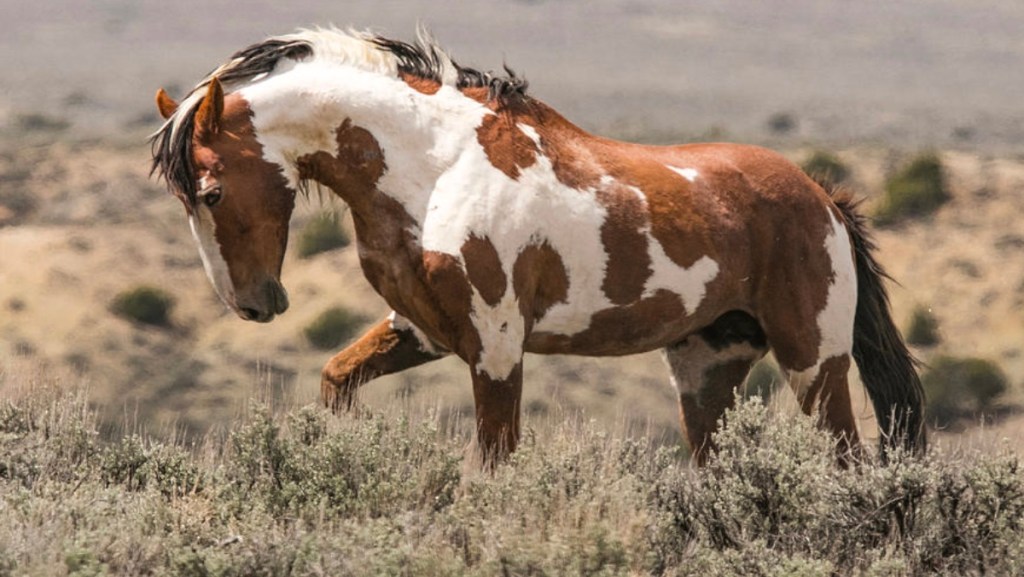
So let’s dive deeper! Anatomy is fascinating and important if we are to understand how best to help our horses do their work and live long and healthy lives!
Welcome to the fascinating world of the rectus abdominus muscle! This muscle originates from the sternum and inserts at the cranial pubic ligament.
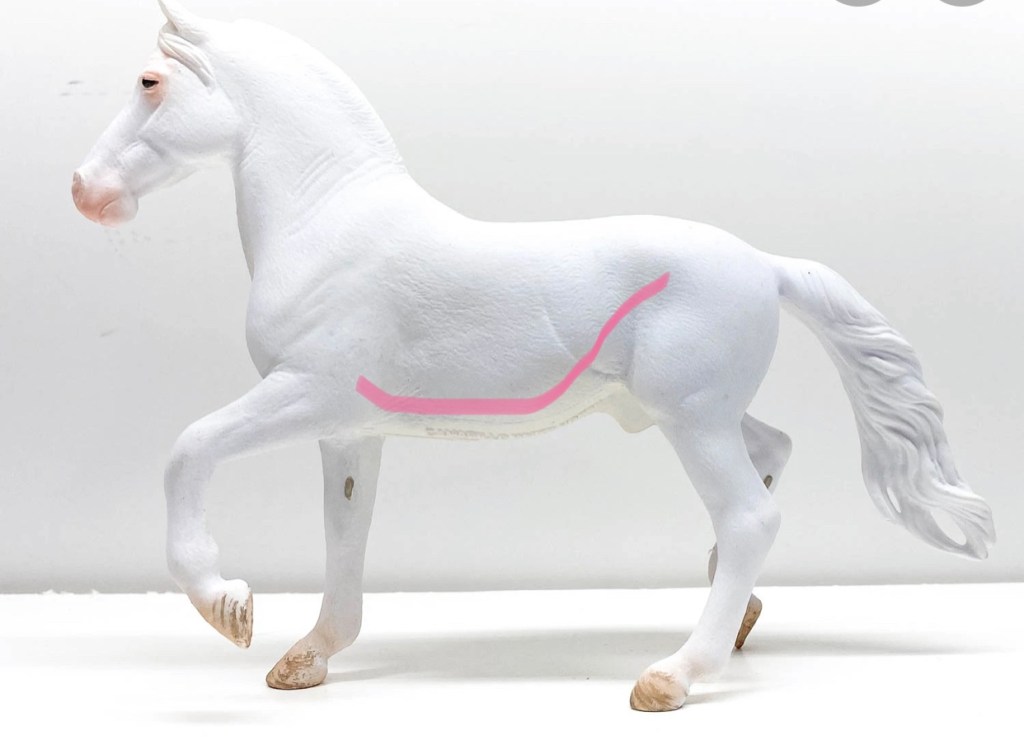
The rectus abdominus muscle (the “six- pack” muscle in humans) runs length- wise underneath the horse’s belly. When it contracts, it helps to round the back and tuck the pelvis.
It is a sub-lumbar muscle. These muscles are inside the horse’s abdomen, where they run from the underside of the vertebraein the area behind the saddle to the front of the pelvis and femur. Because these muscles are inside the abdomen, they’re not visible from the outside. Contraction of the sublumbar muscles pulls the front of the pelvis forward (tucks the pelvis) and pulls the femur forward (flexes the hip). These actions engage the hind limb under the horse’s body.
In a 2010 study reported in the Equine Veterinary Journal, researchers looked at how much the rectus abdominus and the oblique external abdominal muscles moved during different paces. They found considerable differences between walk and trot showing the importance of the abdominal muscles in correct trot.
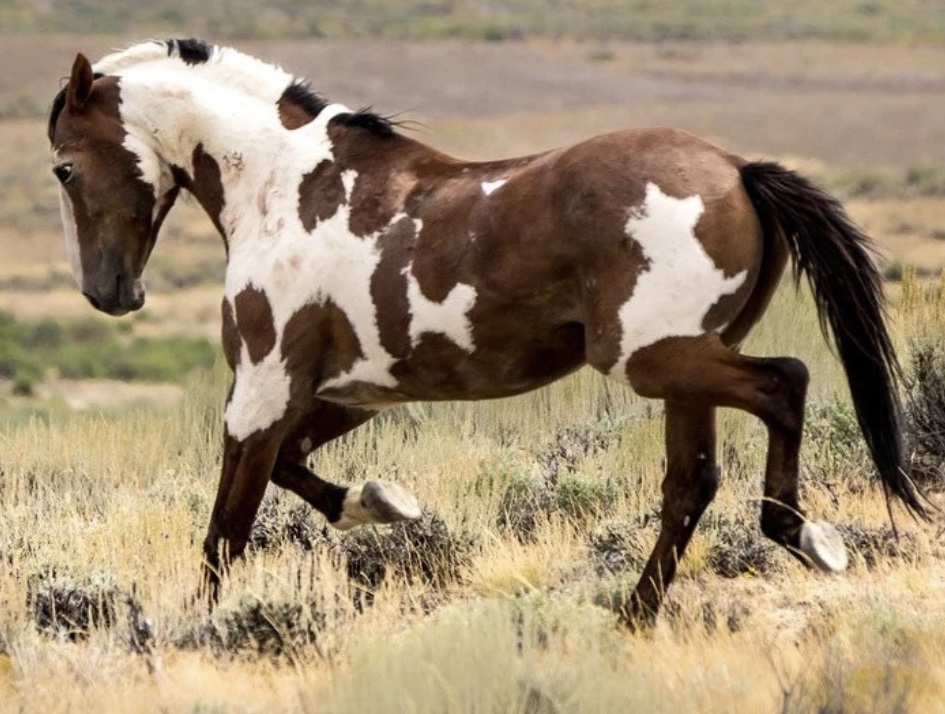
The rectus abdominus (which acts to help the horse use his back correctly and swing under with his hind legs in trot for example) is adversely affected by ILL FITTING GIRTGS or CINCHES as well as over tightening of the girth, and is also damaged by improper carriage while under saddle or if harness is fitted incorrectly.
This muscle is one of the key muscles that are involved with rounding the back and achieving collection. When this muscle is too contracted, the horse will have a roach back.
Having a strong rectus abdomnius muscle will make it way easier on your horse to collect and remain in a proper frame under saddle.
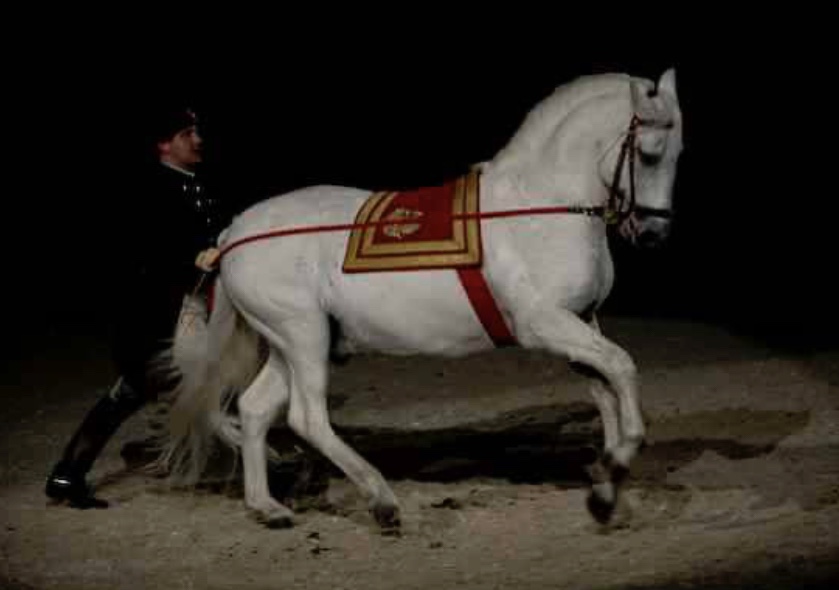
A concept well recognised in dressage and classical riding literature and dating back to the 1800s is the ‘ring of muscles.’ This explains how the vertebral chain in the horse determines gait, carriage and movement style. Often the upper portion of the chain is in great focus (the long muscles of the back and the correct muscling of the neck) because we can see these muscles. Feed companies advertising departments have jumped onto this concept promising top line with products that offer a little more protein and they are not lying but the ads can be misleading. Your horse needs more calories and the correct proportions of protein, carbohydrates and roughage to help the development of their muscles but it is correct exercise in well fitting tack that will create the muscles that are fed by the food they eat!
We seek collection in movement but what actually is ‘collection.’ It is a posture adopted by the horse which allows him to move well and comfortably while bearing weight on his back. When he appears to round up, the first thing the horse does is to use his loins in a sort of coil action. As the loins coil, the pelvis and all the rest of the bones which are part of the hind limb chain are brought forward. ‘Loin-coiling initiates a set of postural changes along the vertebrae of the back going from the back of the horse towards the head so that the neck is raised and the horse reaches down. This is the reason why just working to draw a horse’s head in falsely will not create correct movement and can even damage the vertebrae and muscles of the neck. The rider may be able to falsely create an appearance of rounding and collection but the muscles of the abdomen and spine will not be properly engaged and so the horse will compensate by potentially twisting himself out of shape to continue to carry the rider. It is the abdominal muscles that create the coil and result from the pelvis forward in a kind of telescoping of the neck and not the other way around. The opposite happens when the loins uncoil, and the pelvis, stifle (horse’s knee), hocks and hooves are displaced to the rear creating a flattening or even dipping of the spine. Sometimes this action (which is not conducive to carrying weight) can be described as hollowing or stargazing.
Think of carrying a really heavy rucksack on your back successfully up a mountain track. You would engage your six pack, causing your back to round a little and your head would focus down as your neck extends a little allowing you to focus on the track but to carry the weight through the engagement of your stomach, rump and back muscles – it is similar although not exactly the same in the horse.

We might try weight training, sit ups, crunches and similar to build these muscles.
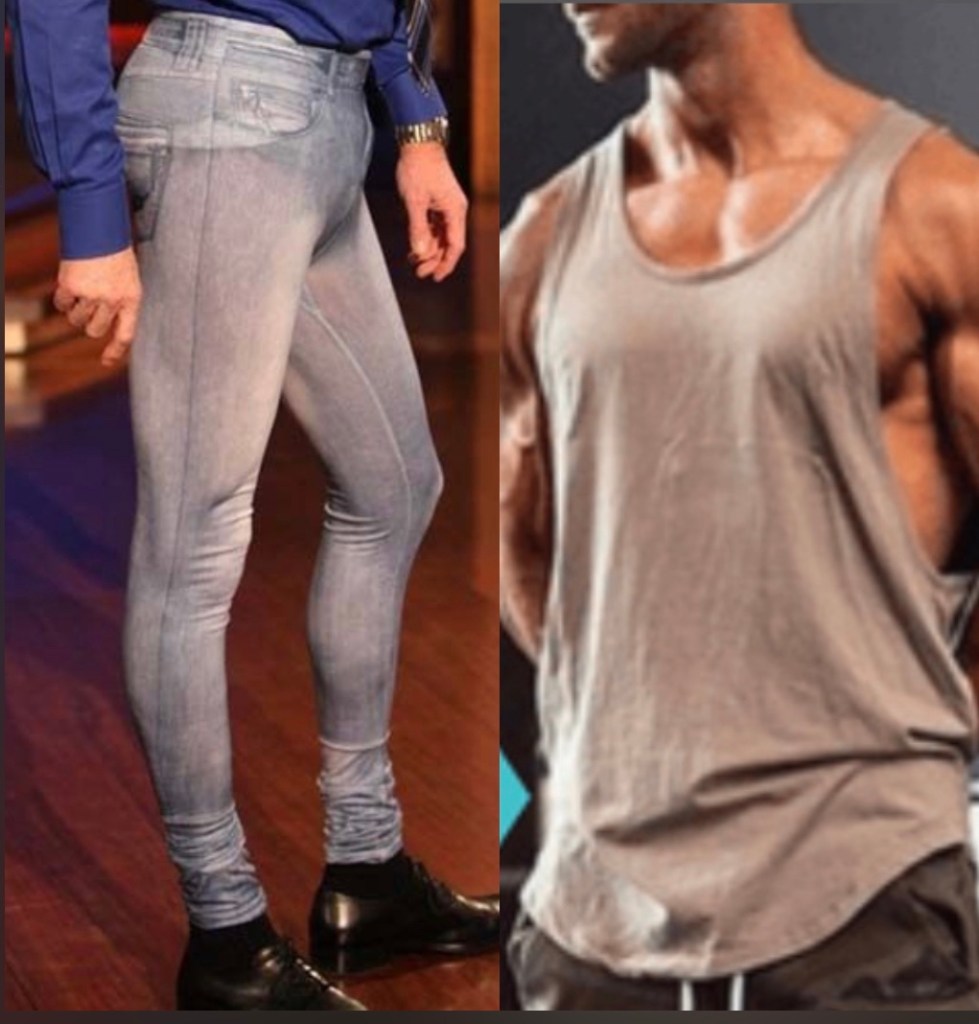
Note; We would be hugely impeded if we were to wear incredibly tight jeans and a belt while training in this way. Most sports gear allows us excellent movement and flexes with our body. So when you tighten the girth or cinches, make sure they anatomically fit your particular horse, make sure your tightening isn’t so much that the rectus abdominus cannot engage. Ask your saddle fitter for advice about the best girth for your horse’s conformation- some suit very bendy anatomical girth’s while others need a straighter form; some have a girth area very far forward in comparison to where the withers and saddle area while others are so far back there is a barrel appearance. The girth is as important to the underside of your horse as the saddle is to the top.
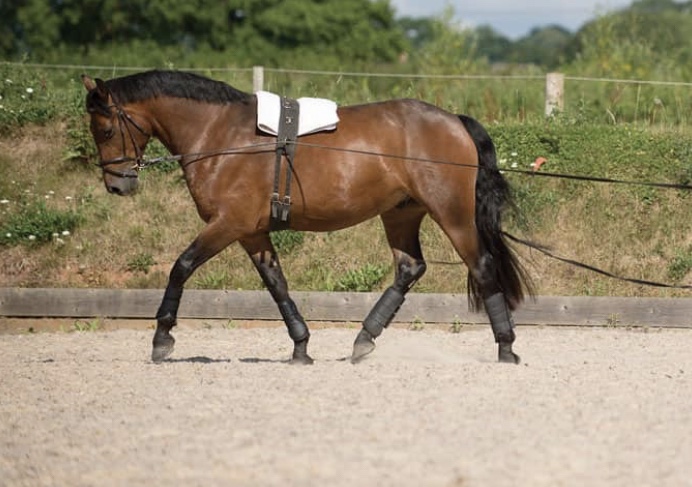
Help your horse build correct muscles in the first place using slower paces in hand over cavaletti and with belly lifts as well as the correct carrot stretches.
Contact me for my online ’Hooves and Hearts in Balance’ course for exercises to improve your horse’s muscles at the same time as your connection/ partnership together!
 Happy Healthy Horses