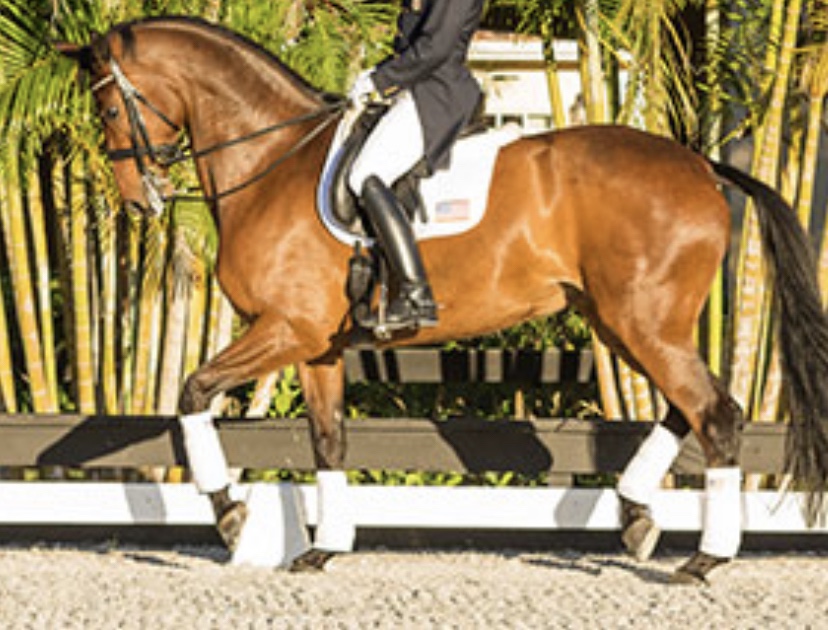
Fascial connections we rarely talk about are the ones inside the thoracic cavity!
Sometimes we struggle with the horse’s body and even when we do everything right the horse is still unbalanced.
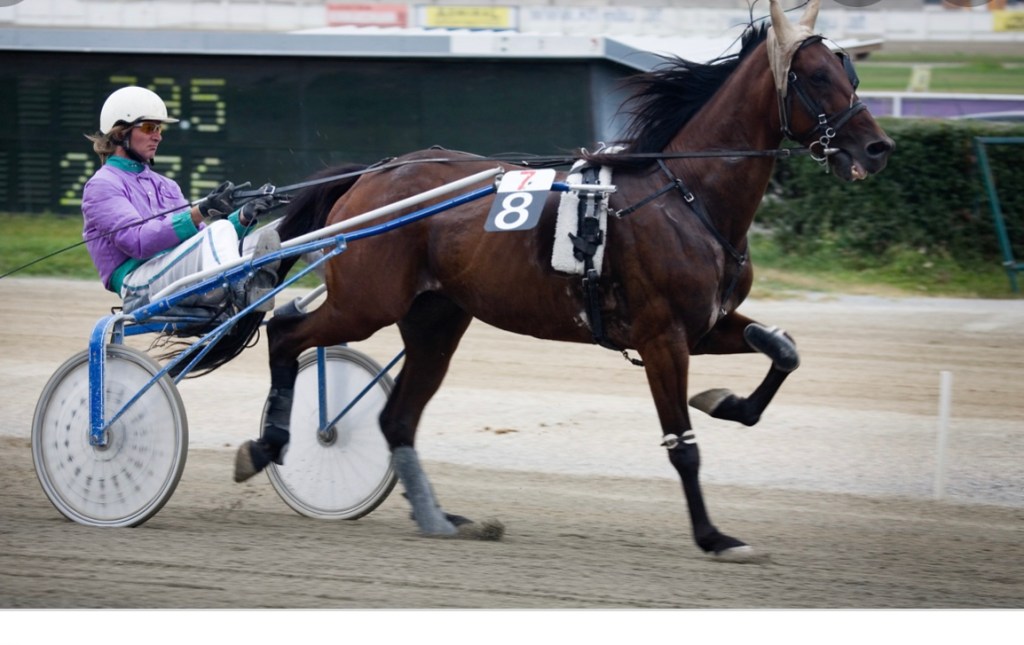
This can be because the musculoskeletal structure can mirror the visceral restrictions in the body. Ie. the nerves, circulation, organs and internal structures that carry old tightnesses, scars and adhesions.
Visceral restrictions just like musculoskeletal restrictions are governed by fascial mobility between structures. By the ability of organs and structures to be suspended, independent and mobile at the same time. This could be thought of as like having a rucksack filled with kittens. They can all move a little but are contained and supported. If two kittens cling to one another or fight and get caught up together, it will affect the movement of the other kittens and may make the rucksack less well balanced (not my best analogy ever but I hope it helps to make the point!)
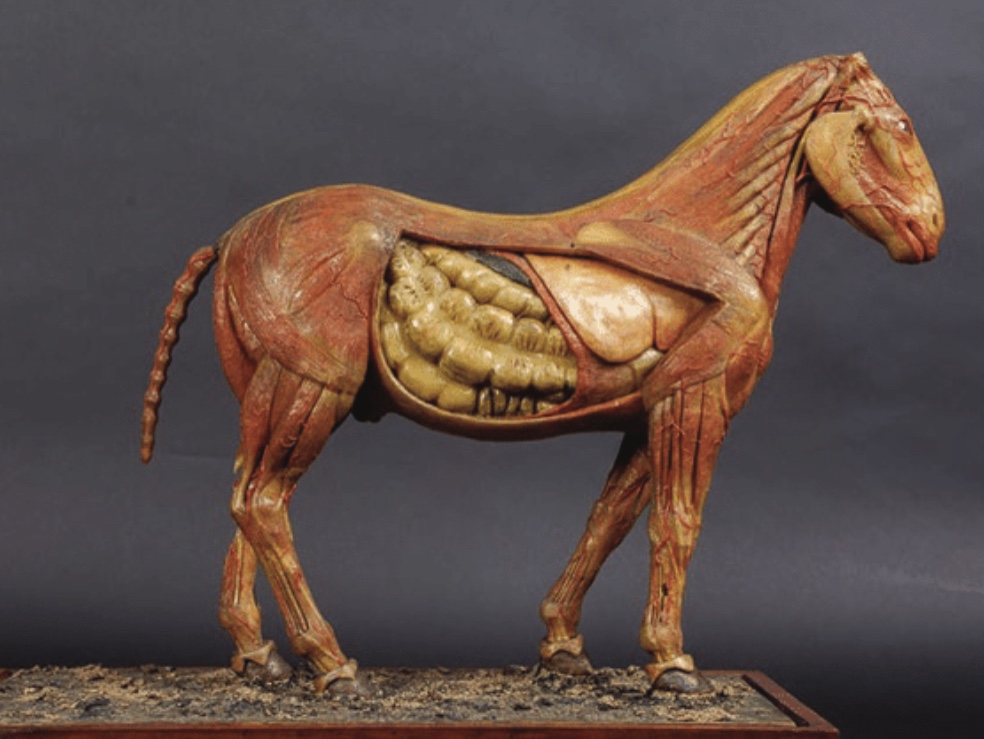
Many horses have experienced or will suffer at some point in their life from ulcers or colic, or possibly both. The fact we sit on them interferes greatly with organ mobility and functionality and intra abdominal pressures. So the fact of life for a horse being ridden or worked in a cart and harness is that their organs are affected by their work. Equally gastric problems from eating high grain content (not the natural feed for a moving prey animal) can affect how willing an animal is to swing their painful belly out of the way in trot and canter and so affect the way they move, resulting in compensations through the body and potentially affecting the muscles and joints as much as the digestive system itself.
This has been described as a process in which gastric distress leads to ‘compromised tensegrity of the musculoskeletal body’ (kittens clining to each other and creating imbalance to the rucksack) and potentially therefore adversely affecting the growth the feet (both the nutritional uptake required to create strong structures and the changes in pressure affecting balanced growth), reducing for the horse his ability to function properly.
Pain in the feet can result in more gastric distress and the cycle is the. set- GI distress and pain leading to compromised posture reflected in foot and body dysfunction. This inturn exacerbates postural dysfunction and so on in an unhelpful spiral for the horse’s wellbeing and functional movement.
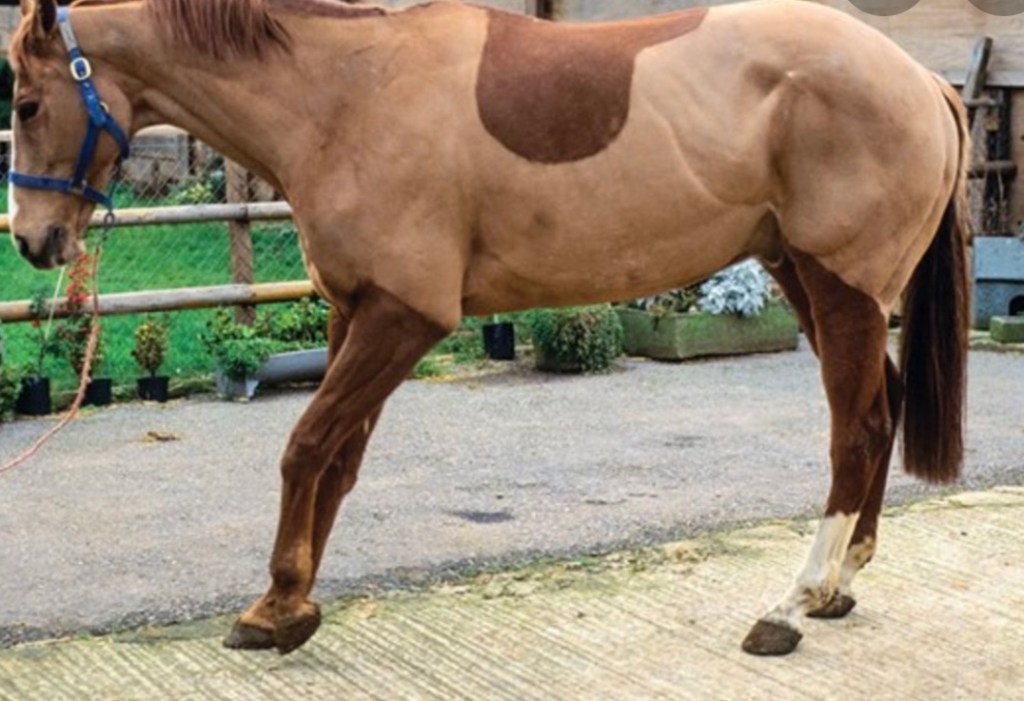
Once the team around the horse has treated the primary cause such as ulcers or colic, the body and feet, we still need to think of the fascial attachments within the thoracic cavity.
The following is a very rough connection and geography of structures. It is helpful to know that everything in the body is double bagged because of embryonic folding. All these structures are connected through fascia and ligaments and the ‘rucksacks’ that they are in.
For example- the spleen is tied to the stomach of the horse by gastrosplenic ligament; it lies against the diaphragm and the large intestine and left kidney. It is held in place by the gastrosplenic, phrenicosplenic and renosplenic ligaments.
Lots of the organs and tubes of the horse can be regarded as mushed into the visceral peritoneum.
Ligament passes from a wall to an organ, or from an organ to an organ!
The cavities enclosed by serous membranes are closed cavities. Organs which lie against the walls of the abdominal or pelvic cavities and which are covered only on one surface by peritoneum are said to be retroperitoneal.
Organs which project freely into the abdominal, pelvic, and scrotal cavities and receive a nearly complete covering of peritoneum are termed intraperitoneal.
All organs need to maintain mobility independently of other structures they are anchored to or touching upon.
All the internal fascial bags need freedom of motion and the ability to glide over each other.
Any dysfunction in the visceral structures will always lead back to the spinal nerve root and be reflected in the musculoskeletal structures that are innervated by the same spinal nerve root !
This rule appears to work in both directions meaning musculoskeletal restrictions can also create visceral restriction.
So what does this mean for us and our horses? In my opinion, it means we must think holistically when we work with them. When we heal or release one area we cannot simply think that is it, all done. If we have seen our horse have medical issues and then notice a performance issue, we may need to look at releasing or massaging the body and vice versa. There is a need, I feel not just to go back to full training without at least ‘having a look under the hood’ and considering whether massage, bodywork, magnetic blanket, acupuncture or other techniques might help. Equally when I am working with the musculoskeletal body, I need to be aware of the organs involved in an area and take account of the other systems affected.
 Happy Healthy Horses