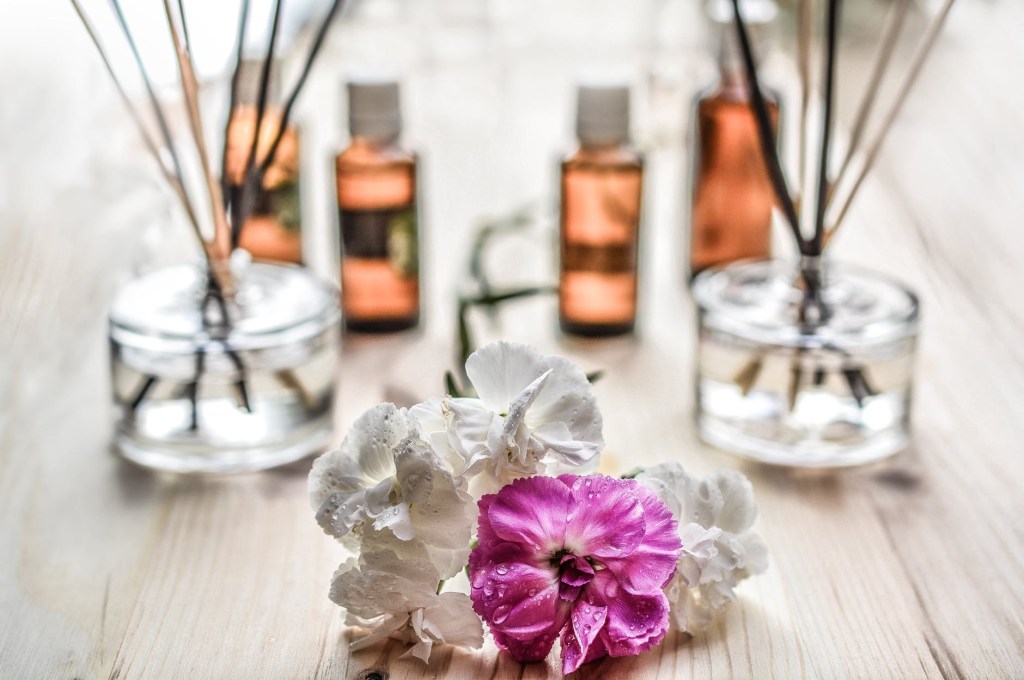
Aromatherapy is a holistic healing treatment that uses natural plant extracts to promote health and well-being. Sometimes it’s called essential oil therapy. Aromatherapy uses aromatic essential oils medicinally to improve the health of the body, mind, and spirit. It enhances both physical and emotional health.
Aromatherapy is thought of as both an art and a science. Recently, aromatherapy has gained more recognition in the fields of science and medicine. Essential oils are composed of chemicals extracted from plant leaves, stems, wood, bark, and/or fruits. Together, these compounds are classified as secondary plant metabolites, which plants produce to survive in the environment. Unlike primary metabolites, secondary metabolites do not participate in basic life functions such as cell division and growth, respiration, storage, and reproduction. Instead, secondary metabolites protect the plant in some way (e.g., against insects, disease-causing organisms, and the sun’s ultraviolet rays).
The list of available essential oils is extensive. Some of the more commonly used essential oils in modern medicine include basil, bergamot, chamomile, devil’s claw, eucalyptus, frankincense, geranium, ginger, lavender, lemongrass, peppermint, tea tree, valerian, white willow, and yucca.
The first medicinal drugs came from natural sources and existed in the form of herbs, plants, roots, vines and fungi. Until the mid-nineteenth century nature’s pharmaceuticals were all that were available to relieve man’s pain and suffering….” Jones AW Drug Test Anal. 2011 Jun;3(6):337-44. doi: 10.1002/dta.301.
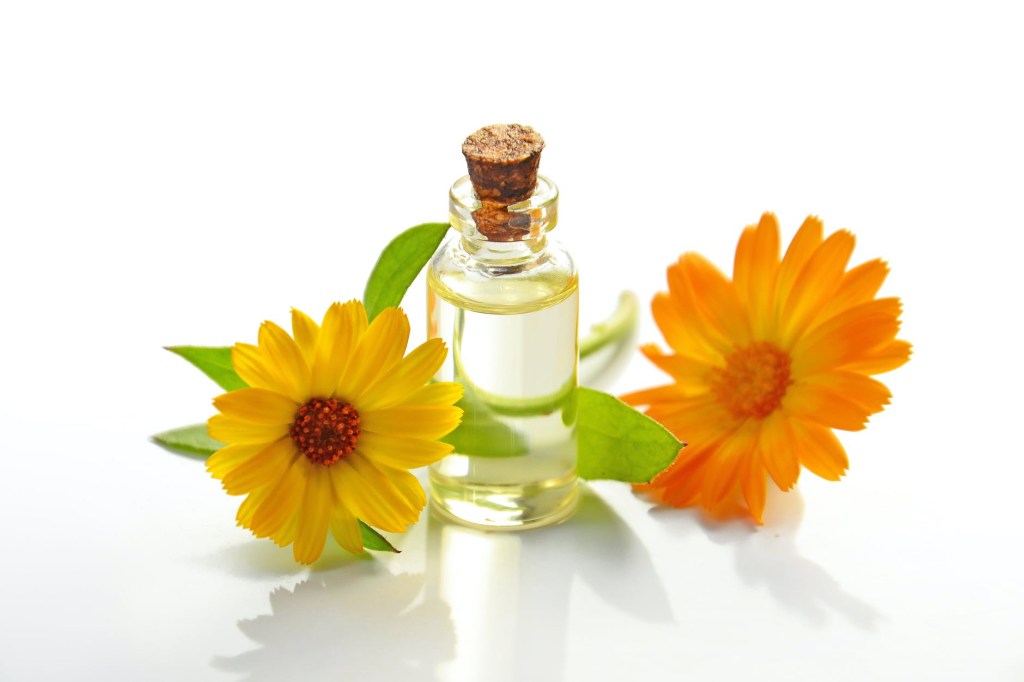
Some essential oils are known to have multiple benefits, like lavender. It smells beautiful and yet has a number of uses. In fact, lavender is considered the most versatile of all oils because it:
• Calms
• Cleans scrapes
• Reduces itch for insect bites
• Reduces nausea
Relieves allergies Some of the uses for essential oils with horses include:
• Repels insects
• Reduces anxiety
• Strengthens immune system
• Reduces inflammation
• Speeds wound healing
• Increases energy
• Improves digestion
• Relieves pain
• Increases circulation
While we can make up rubbing oils for example for insect repellents we can also apply the principles of zoopharmacognosy and offer oils in such a way that our horses can select their own oils. This technique is useful where oils are being offered to ease psychological or change behavioural issues. Zoopharmacognosy is a behaviour in which animals apparently self medicate by selecting and ingesting or rolling in plants, minerals or insects and psychoactive drugs to prevent or reduce the harmful effects of pathogens and toxins.The term derives from Greek roots zoo (“animal”), pharmacon (“drug, medicine”), and gnosy (“knowing”). An example of this in horses is when we see horses in the UK working h the sir way down a hedgerow where wild willow or hawthorn and other flowers and herbs are available and selecting some. My old horse often ate rosebay willow herb at the end or if allowed in the middle of a longer endurance ride – years later I discovered it has an anti- inflammatory action and I suspect he was self medicating to cope with the rigours of his & my sport. An example of zoopharmacognosy occurs when dogs eat grass to induce vomiting. However, the behaviour is more diverse than this. Animals ingest or apply non-foods such as clay, charcoal and even mild amounts of toxic plants and invertebrates, seemingly to prevent or relieve parasitic infestation or poisoning. The problem with the theory is that while numerous behavioural examples are noted in zoological texts, it is hard to research under laboratory or more stringent conditions. Anecdotal reports from many naturopathic practitioners however offer examples both in the wild and of animals self selecting in domestic situations where choices are offered (eg willow or wilted nettles cut and out into a paddock; rosehip shells in a bucket; even our salt stones are examples offered in zoopharmacognosy texts. This term first appears in literature in the late 1970s and gained popularity from a number of academic works and in a book by Cindy Engel entitled ‘Wild Health: How Animals Keep Themselves Well and What We Can Learn from Them.’
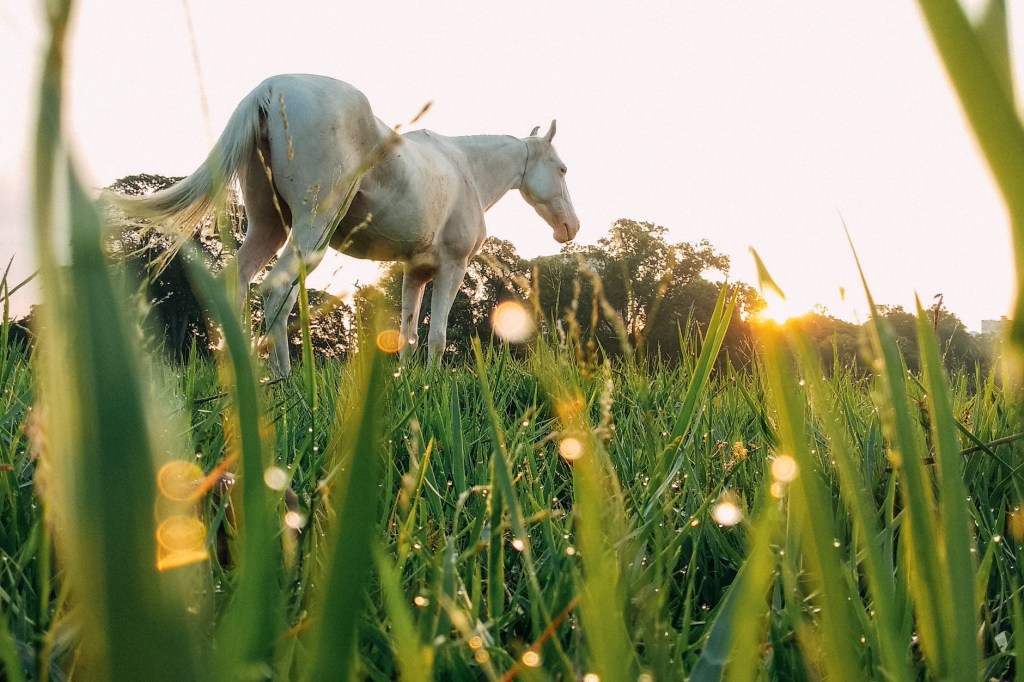
Offering oils separately and at a distance from your horse (eg in the corner of a stable or in a round corral) where the horse is freely allowed to move away from them can be very helpful. This is also useful where you intend using an essential oil topically or on yourself – some horses, like some humans simply seem to dislike some smells. It may be by association as we experience (a friend of mine hates lavender – due to numerous visits to elderly persons homes with her vicar father as a small child, she thinks!) or simply preference.

In vitro (laboratory) study results show some essential oils have marked antimicrobial activity against both bacteria and fungi (Ebani and Mancianti 2020). This includes multi-drug-resistant strains of bacteria such as Pseudomonas spp. and Staphylococcus spp. Essential oils not only have bactericidal properties, but some reportedly also exert antibiofilm properties. Biofilms are conglomerations of bacteria and the protective “slime” they produce that forms an impenetrable barrier around disease-causing organisms.
Essential oils also show promise as insecticides. One study demonstrated that tea tree oil extracted from Melaleuca alternifolia had excellent in vitro adulticidal activity against stable flies (Dillmann et al. 2020). These blood-sucking flies are a nuisance to horses, interrupt feeding, and can induce a flight response due to their painful bites (even in the middle of competitions). Biting flies can also transmit diseases, including equine infectious anemia.
Another group (Cox et al. 2020) reported that a commercial herbal topical spray used once daily for 28 days appeared to effectively manage insect bite hypersensitivity. The spray included extracts from lemongrass, peppermint, camphor, may chang, and patchouli. These essential oils were selected due to their previously demonstrated immunomodulatory (alters the immune response), antihistamine, antipruritic (anti-itch), anti-inflammatory, anti-allergy, analgesic (relieves pain), and larvicidal (kills juvenile insects) activities.
One published study also supports lavender’s widely accepted role as a calming agent when used as aromatherapy, as determined by decreased heart rate variability in eight dressage horses (Baldwin and Chea 2018).
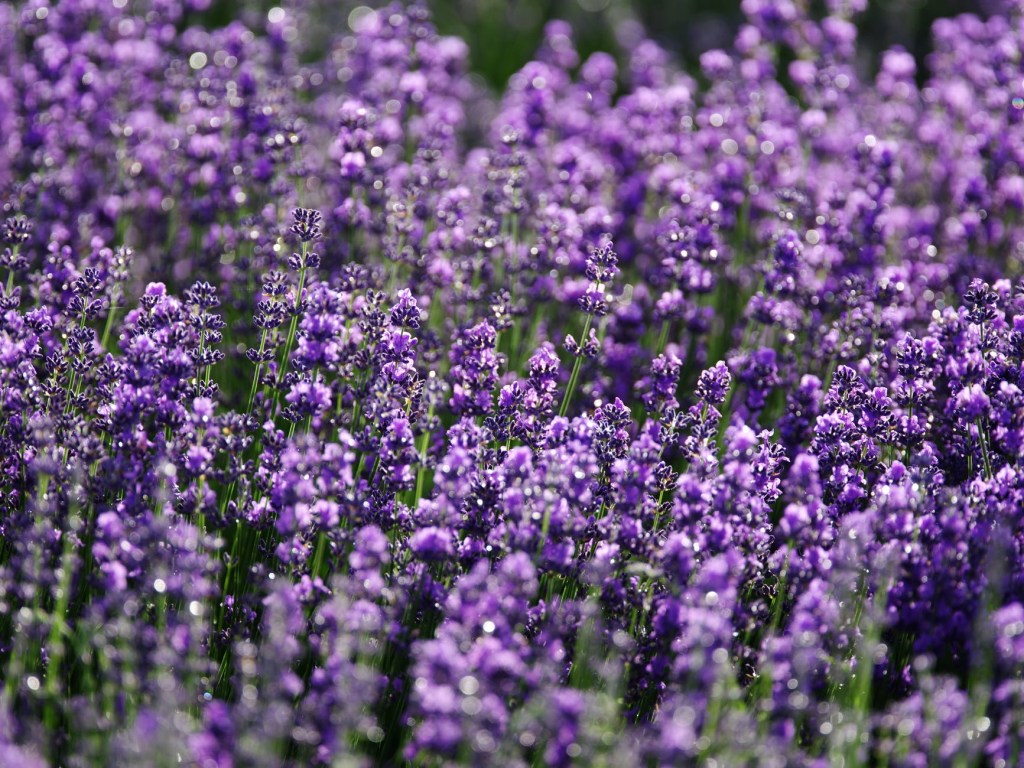
Essential oils, specifically carvacrol, are being explored as antiparasitics (Trailovic et al 2021). This would be a welcome solution to the widespread resistance of roundworms (Parascaris sp.) to all three major anthelmintic (deworming) families.
Generally speaking, aromatherapy uses natural essential oils to enhance animals’ psychological and physical well-being—a broad and sweeping description. As such, these products, which are not and cannot be classified as drugs, are also used for managing painful musculoskeletal conditions, immune stimulation, antioxidant activity, calming solutions, and gastric ulceration. Essential oils can also be administered via inhalation using a commercial nebulizer to improve respiratory health.
Using essential oils in conjunction with, not instead of, modern medicine and with a veterinarian’s expertise, we can:
• Reduce the need for systemic antibiotics. Using products capable of fighting infections without antimicrobials promotes good antibiotic stewardship and alleviates the pressure of creating or treating antibiotic-resistant strains of pathogens.
• Minimize the need for anti-inflammatory medications and their side effects. Nonsteroidal anti-inflammatory drugs (e.g., phenylbutazone or “Bute”) might contribute to gastric ulceration or colitis, and corticosteroids have the potential to induce laminitis.
• Maintain intestinal microbiome health. Any medication has the potential to disrupt the delicate balance of microbes found in the cecum and colon. Dysbiosis can result in diarrhea, behavior changes, a compromised immune system, and other negative outcomes.
• Reduce environmental contamination with drugs, drug byproducts, or chemicals.
Just like other complementary and alternative therapies, horse owners tend to consider essential oils universally safe. In reality, the safety of essential oils remains largely undetermined, and both their positive and negative properties need further investigation.
In mice and rats, essential oils are associated with liver, kidney, and reproductive toxicity and changes in blood vessels and can cause oxidative stress (Ebani and Mancianti 2020). Further, a recent series of articles published in the European Food Safety Authority Journal warned consumers to consider essential oils to be skin, eye, and respiratory tract irritants. Human study results report photosensitization following exposure to sunlight and dermatitis after applying essential oils topically. Lavender, peppermint, and tea tree oil appear to be the biggest offenders.
As with joint supplements and other complementary and alternative therapies, choose a quality product. Substandard oils might not contain the listed ingredient at the indicated concentration or amount. Products might be contaminated with other ingredients that can affect your horse’s health.
Finally, be aware of which essential oils equestrian governing bodies prohibit. Be aware some Jockey Clubs and other regulatory sports bodies have included various herbs and oils on their prohibited substance lists, so check before you use if you are competing, especially at a commercial level.
A summary of points to remember using essential oils around animals are;
Always allow an animal to walk away from any application or remedy
Take care around thesensitive areas like eyes, ears, noses and genitals area – avoid essential oil irritants
Understand the extracts you are working with. Read up on how the remedy relates to the species that you are working with
Equines / other herbivores – hold the bottle firmly so that the hand covers most of the bottle, to prevent it from being snatched from your hand and into their mouth
Equines / other herbivores – do not use a nose bag for inhalation purposes
Equine / other herbivores – caution bottles on ledges in the stable; the horse may put one in their mouth. They also may easily be forgotten or fall and break
Cats and dogs – do not use a vaporiser / diffuser unless your cat or dog can walk away from the aroma into another room
This list is taken directly from the work of Caroline Ingram in the UK and you may find her work in zoopharmacognosy interesting.
To get started, essential oils regarded as safe for horses include, but are not limited to: basil, bergamot, chamomile, eucalyptus, frankincense, geranium, lavender, lemongrass, peppermint, and tea tree. Please keep in mind that essential oils are VERY concentrated, and horses are more sensitive than humans. A good rule of thumb is never to put essential oils directly onto your horse without diluting them in a carrier oil or allowing them to float in water if selected by your horse. I have seen a number of horses on box rest for example appear to perk up and be more interested if a few drops of essential oil of peppermint is added to a bucket of water in their stable (extra to their drinking water). I’ve seen horses play with such peppermint water and even drink a whole bucket where they would normally be a poor drinker. If I don’t have any peppermint oil I sometimes make up a couple of peppermint teabags and steep them in a cup of water for half an hour before adding to a separate water bucket if a horse is reluctant to drink water in a new place. By getting them used to peppermint or camomile at home, the water (which may taste very different at a competition venue from home) can be more palatable to the horse.
So long as your horse is comfortable with the smells and reactions in his body to an oil or group of oils you can make up rubbing oils, put oils in water and use a nebuliser to spray fine droplets of diluted oil into the atmosphere around your horse.
Here are some oils and their properties;
Some simple applications are:
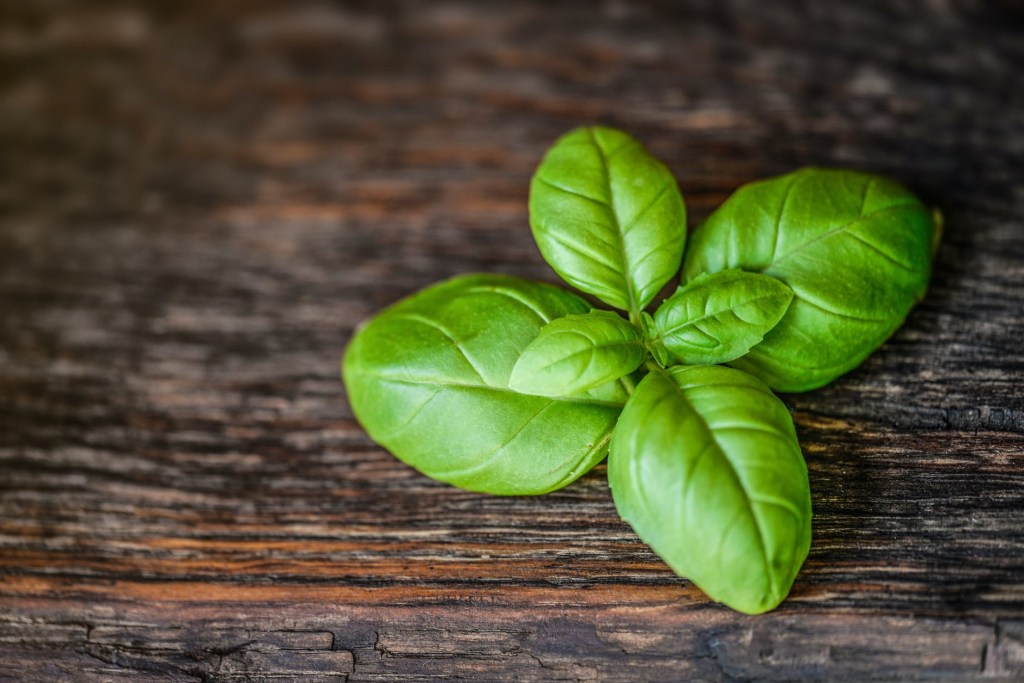
Basil
Basil is traditionally used any sort of spasm. It is useful in old and new muscle spasm. I find it particularly useful for rubbing in a dilution in olive oil in show-jumping horses where their shoulders tighten up and in front of the shoulder blade. (The dressage horse and rider might well benefit from a quick sniff of basil before a test, as it sharpens the mind and helps retain focus on the task at hand.)
Bergamot
Bergamot will help relieve any skin irritations. It is useful in addressing mild skin eruptions usually caused by an allergic reaction or insect bites.
(Bergamot is also favourite for dealing with “butterflies’ in the stomach type nerves, so a good whiff might help precompetition nerves for both horse and rider. It eases away anxieties and clears the air so pre-event jitters do not incapacitate.)
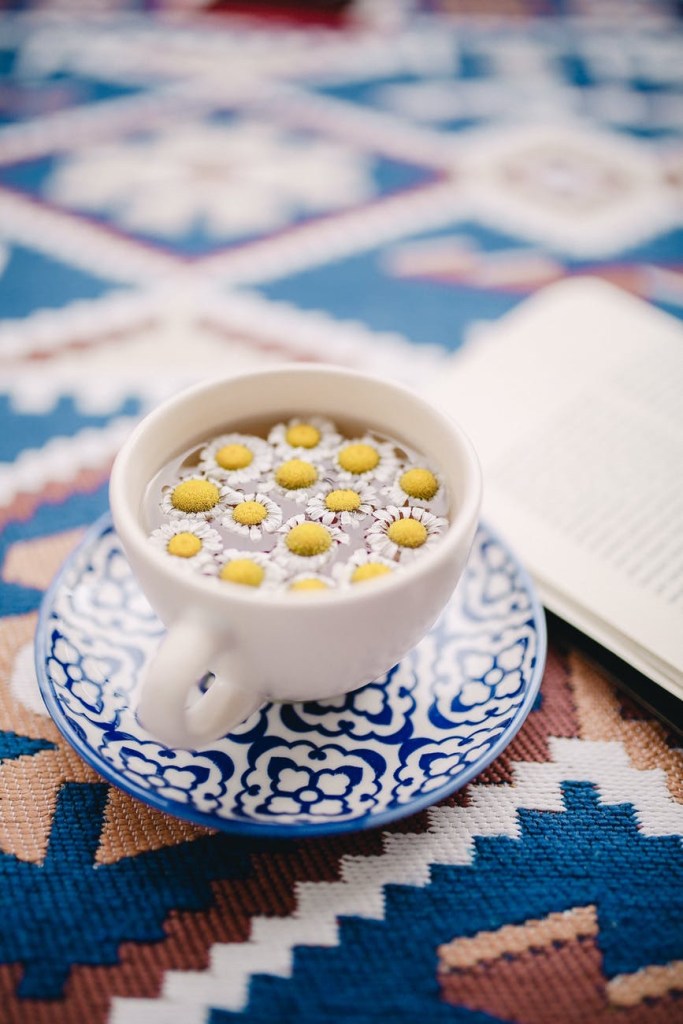
Chamomile
Chamomile is an expensive essential oil, but worth every penny. It helps the muscle utilise magnesium so you don’t have the muscles cramp or spasm from intense work. (Camomile is traditionally the ‘tantrum’ remedy in small children and the sleep helper calming and soothing a horse stressed by a situation or struggling to sleep in a new place).
Eucalyptus
Eucalyptus is often regarded as a handy essential oil to have around to ward off winter ills. If you have the scent of eucalyptus wafting around your stable it can act as a negative ion generator. Eucalyptus is best known for and extremely useful as a post-event muscle rub and is included in many liniments. It is also an essential oil that freshens up an environment and useful to have around for horses that are confined in stables for long periods of time as it is supposed to lift the spirits and create a natural feel in the stables.
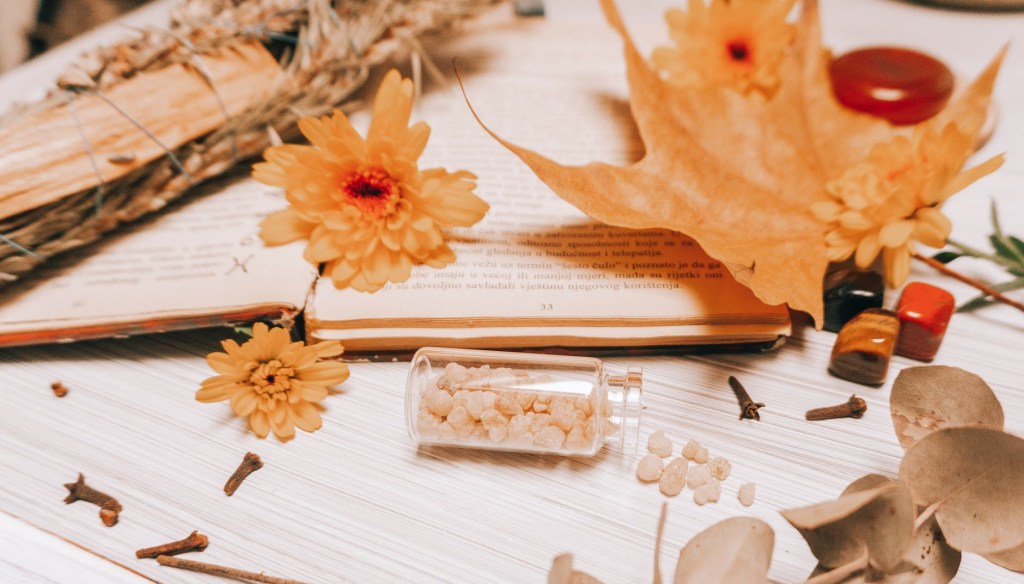
Frankincense
Frankincense is an old-wound healer and strong anti inflammatory. It can be used in a wash for wounds that are taking longer than expected to heal.
It also helps with respiratory disorders in a chest rub and has some good research possibilities in reducing inflammation associated with both cancer and arthritis. (Emotionally frankincense can be regarded as a good ‘fear’ essential oil and useful if a horse is reluctant to go on transport for example, sprinkling a little diluted in water on the bedding under your horse).
Geranium
Geranium is another oil useful in addressing stuck, aching muscles (I suppose it isn’t surprising that my key essential oils are mostly about massaging and muscles!)
It helps relieve spasms while having a mild analgesic effect so you can massage the muscle more deeply when needed. (This essential oil balances hormones and moods. Some practitioners specifically target this in a massage oil for mares and fillies at times when their hormone might affect their performance)
Lavender
Lavender soothes heat. Useful when addressing inflammation and can be applied gently to bruising and swelling to facilitate recovery. Lavender generally needs less dilution than most oils. (This essential oil will also take the heat out of emotionally heightened situations. When stress is causing disruptions to preparations during a competition, for example, you could have lavender on a tissue or as a perfume to help reduce the stress of your colleague, child or trainer)!
Lemongrass
Lemongrass has an affinity with myofascial tissue and is useful in the recovery of tendon problems as well as shin soreness. (This oil is a favourite to burn at home when learning dressage tests, or to sniff while walking a course the day before a cross-country event or just before a jumping competition. It should help you retain your learning).
Rose
In a 2015study, postoperative children inhaled either almond oil or rose oil. The patients in the group that inhaled rose oil reported a significant decrease in their pain levels. Researchers think the rose oil may have stimulated the brain to release endorphins, often called the “feel-good” hormone.
Based on the outcome of this study, the researchers suggested that aromatherapy using rose oil could be an effective way to ease pain in patients who’ve had surgery. Rose is known as an oil for healing the psyche after trauma and was carried by ancient warriors in Asia. Ancient Persian medicine used rose oil for treating wounds as it has anti-infective properties. You can use the oil topically by diluting it with a carrier oil.

As you can probably tell, I’m fond of rose and I often wear it while working in places where horses I am treating may have trauma, separation, grief or loss in their past as I have found it allows me much quicker access to their bodies for physiotherapy and massage treatments. (For us, rose oil is known to be excellent for the skin due to the antioxidant activity of rose essential oil, which spurs on the natural healing processes of the skin – so having a little rose in a rubbing oil for your face might brighten your appearance when showing!)
Tea Tree
Tea tree has traditionally been used by aboriginal horseman in Australia, brushing the branch of the tea tree bush across the back of an itching horse. It is useful in a blend of essential oils for rain-scald or fungal infections like ringworm, as well as in a wash for wounds to prevent infection. But take care to dilute this oil as it can cause a reaction in some individuals.
I’ve mentioned diluting and massaging with oils; Essential oils affect horses psychologically and physiologically when used for massaging. When making up a rubbing oil, the recommended dosages applied to humans suffice for horses. A rule of thumb is 100ml of base oil to carry 2.5ml of essential oil. Choose the type of essential oils to use, determine how many drops it takes to make a milliliter, and then begin to blend your massage oil.
You may incorporate the blend in a style of massage you already use or you may use it as a spot liniment.
Essential oils absorb through the skin via the hair follicles as their molecular structure allows them to pass between the dermas and enter the body’s extracellular fluids. With this in mind, your massage strokes are long and sweeping, warming the body and hastening up the absorption of essential oils. If you find an area of muscle resistance, you may concentrate your techniques there, always remembering to resume the original intent of your massage.
It may take as long as a week for the body to absorb and metabolize the essential oils and excrete them out through the urinary system.
Please remember not all oils are made equal and look into buying organic oils from a good brand. They are more expensive but worth the money. Some brands offer advice sheets specific to horses too so it is worth checking out the brand online and seeing what you can learn.
Just to get you started on massage with essential oils;
Getting Started: A blend for sore and tired muscles
Rosemary 10 drops
Bergamot 4 drops
Juniper 6 drops
Lavender 5 drops
Essential Oils page 2
This blend will improve circulation to muscles and relieve anxiety.
*If the dropper dispenses 40 drops to make a ml., then use 25ml of cold-pressed vegetable base oil.
Again (sorry I am labouring the point) – Never use essential oils straight out of the bottle. They must be diluted with a base oil.

Let me know if you have tried using aromatherapy with your horse. Have you engaged an aromatherapist or aromatherapy practitioner veterinarian?
 Happy Healthy Horses