The stresses on the horse have changed and grown with competition in equine sports becoming increasingly intense………
In the UK alone there are more horses than there were before mechanisation and the first world war! Most horses do not live as working animals but rather as animals which are required to work sometimes, often with little or no preparation and training for the work they do. These weekend warriors spend all week in a field then are hauled out to jump a course at the weekend or go for a gallop up a hillside alongside others with their human partners enjoying the social opportunity or competition offered by local shows and riding clubs. there is no criticism intended of the owners…we all have horses because we enjoy and even love them and we want to spend what time we have with them having fun and encouraging them also to have fun. My job is sometimes to develop ways in which the horse can train themselves physically while their rider is at work or school. (Anyone who reads my blog will be familiar with my love of track systems in which the horse moves because food and water are spread out over a distance with interesting obstacles in between, this being one of my ways to begin to mitigate the ‘weekend warrior’ syndrome.)
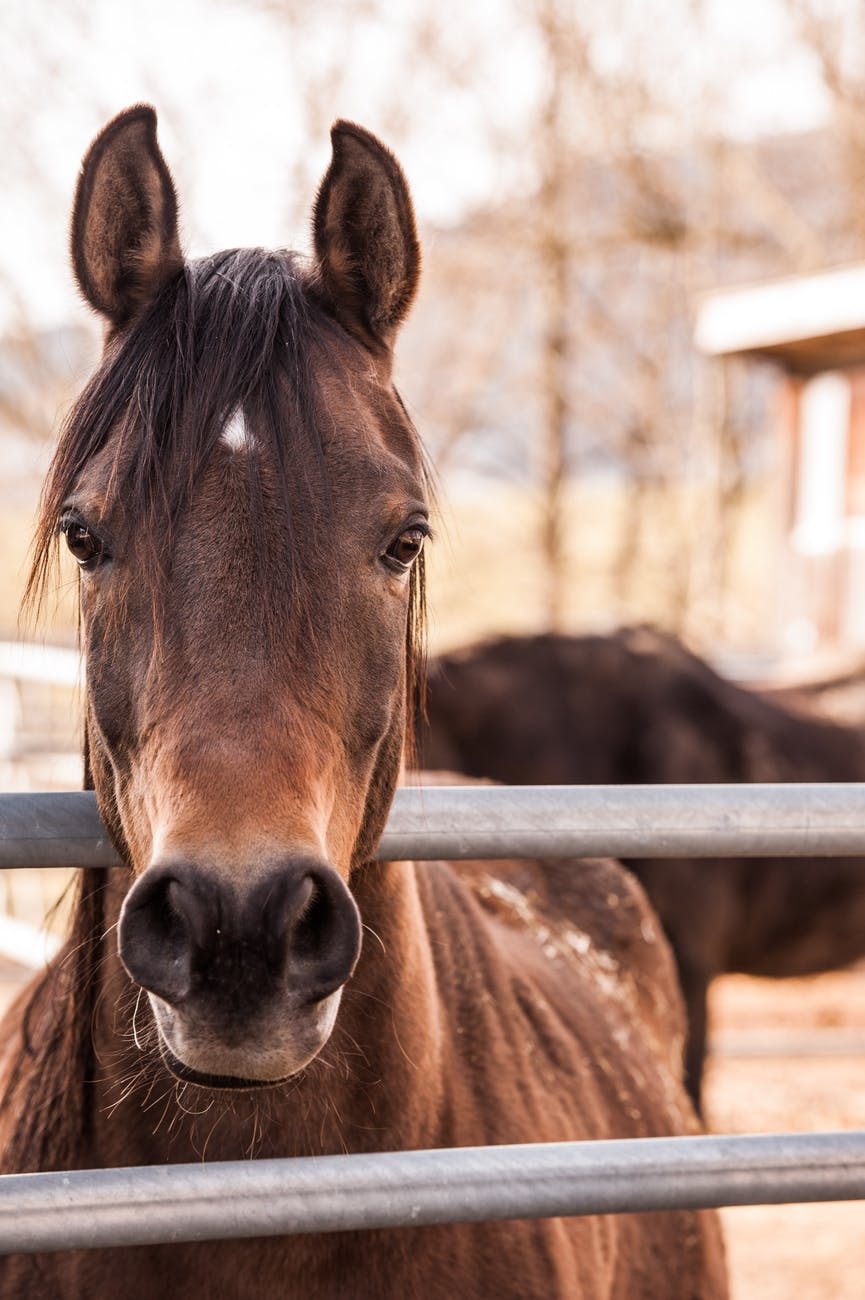
Artificial and forced techniques without careful preparation and after care have become more the norm in the training within a number of disciplines and there are more horses competing than ever throughout the world at lower levels where perhaps the time and knowledge may not be available to their trainers and riders properly to prepare their bodies for the job.
The aim always in working with horses should be to produce movement that is natural and unforced for both rider/trainer and horse. My job can involve helping riders and trainers to see how they can produce that kind of movement through horse-centered, gradual exercises that build the cornerstones and foundations upon which the rest of training and competing stands. Sometimes this can be a job of filling in gaps and undoing old movement patterns that either horse or rider or both have developed, often unconsciously or to compensate for discomforts or injuries.
While at lower levels of competition, knowledge, experience and quality of training may be lacking,, for horses competing at higher levels carry equal and greater stresses with les potential ‘down time’ to recover. Sports therapy has offered much to the higher level equine trainer but time and money constraints often leads to the need to cut corners and aim for quick results.
Horses that I see in therapy often hold the strains and stresses of old injuries long held within their bodies and fascia. With bodywork the horse and owner or rider or trainer and I can gradually untangle a mystery of small stages. While the humans involved in sport can describe their pains and aches in detail and obtain help and training for improvement, their equine counterparts aren’t so fortunate and may have to submit to training in positions and with injuries that nobody knows about (other than the horse himself).
A background in equine psychology and training helps the bodyworker to listen to the horse as much as is possible between species and to fill in gaps by feeling the body and watching for the smallest of clues.
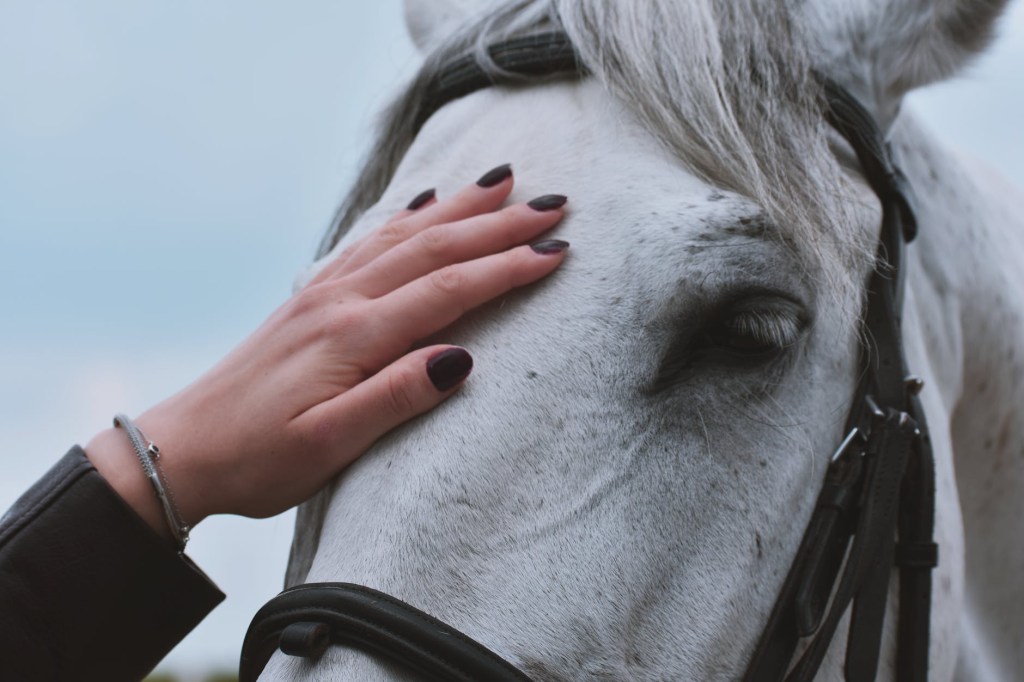
My job may involve seeing a horse work by watching films and advising the humans involved on exercises and massage or stretching that can help. I can meet the horse and their human on the computer or I can meet them in person. My work allows me to put my hands on many horses every week and to learn a little from each one, while helping them to be comfortable in their body. Sometimes I may visit a horse with a veterinary surgeon so that we can work together to look at the horse’s body and make a plan involving pain killing medicines, canges to feeding and exercises for the right kind of movement or even post operative rehabilitation. I may work in cooperation with farriers or bare foot hoof care practitioners and with saddle fitters and dentists. Often my role is signposting the need for a referral (for example when applying some of the fascial moves to the head, it can become apparent that a dental appointment might help). I have to know if a saddle, girth and bridle fit and I can advise on their effect on the horse’s body, often signposting to a saddle fitter or equipment coach. The equine bodyworkers job is as much detective as healer, physical trainer and masseuse.
I have the honour of also working with two bodies as I work with riding horses. Biomechanical gait analysis can be offered using a camera and computer program to the horse or to the parnership between horse and rider and my experience as a riding teacher is extremely helpful to this process. I have to understnad how the physics and biomechanics work between the coordination of two bodies working as one and between the pressures and forces involved in dirving horses and racing in the field of trotter racing. Every day I get to read and learn more and more about the complexities of equine bodywork and physiotherapy but at the same time there is an incredible simplicity in my job.
The first principle is to apply the knowledge I have by listening first to the horse – this is what I teach my students, this is what I come back to every day I work with the horses – LISTEN, Listen, and listen again.
My work can take time, because online i need to observe and ask and observe again and in person I cannot just dive in with a set of techniques

I have to know about machines and clothes that can help and I use a range of machines such as a medical laser, ultrasound and pulsed magnetic field applicator. Deciding what is going to offer the best and longest lasting effect. Considering the horse holistically means my therapy decisions have to be made in the light of a number of considerations, what will be the most cost effective for my owner, while considering the environment the horse finds itself in, the demands on his or her body and the other demands on the owner or sharer and their time. What is available at a race training stable in terms of exercise, underlay and recovery machines may be very different from what is available to a horse who lives and works with logging as his main role or a childs first pony. While the competition horse may have more therapeutic options, he may also have less time allowed for recovery and my plans must take all of this into account. Often this is all going on in my head while I am seeing the horse…… I can be a little tired at the end of the day!
The joy of receiving a call or message from an owner or farrier describing the changes and improvements and of even saving a horse from destruction occasionally by offering a new perspective for training and therapy is fantastic and makes the job wonderful. The opportunity to meet lots of gorgeous, clever, communicative and gentle horses in my week is out of this world and I am enormously thankful for their time and the openness they offer to bodywork.
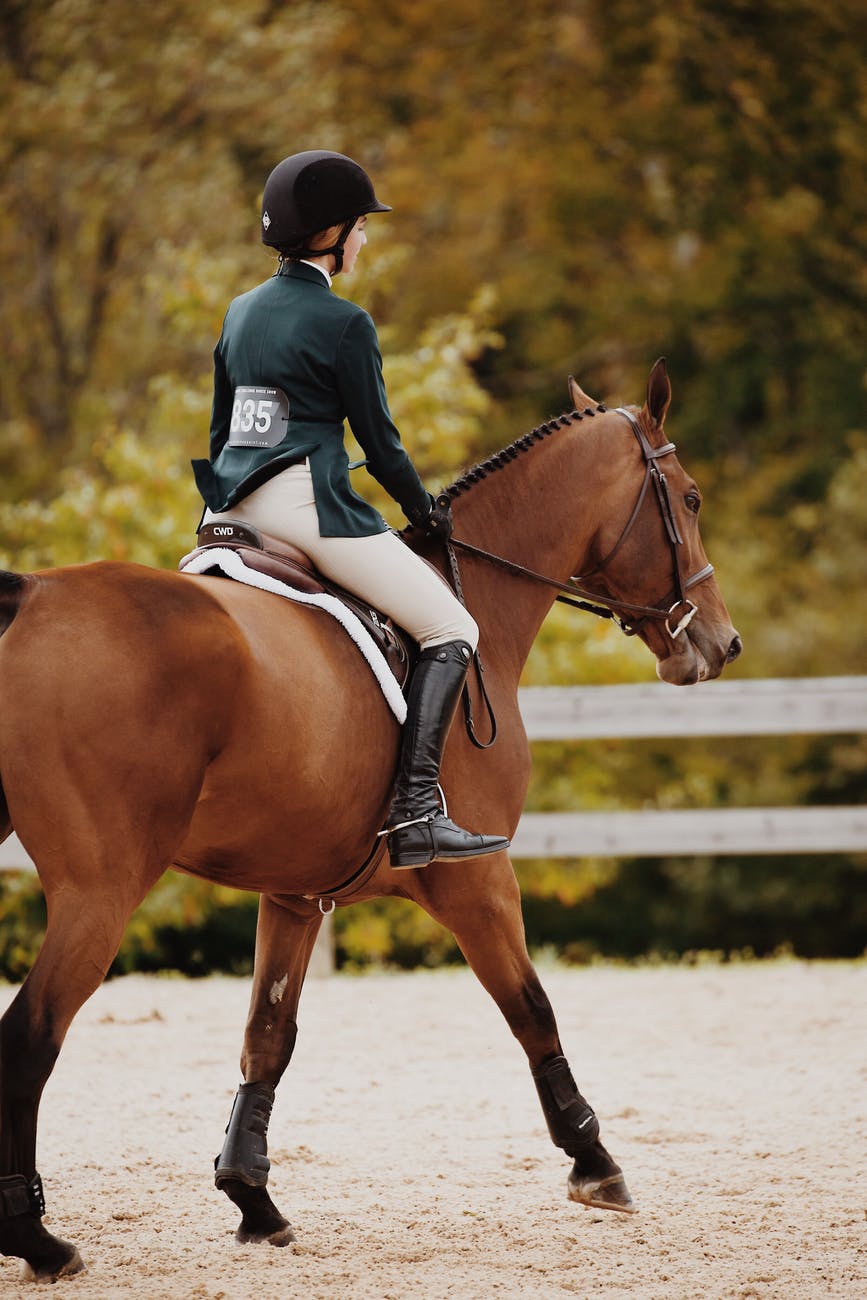
I am also incredibly thankful to the owners, competitors and trainers that engage my services both online and in person. To be trusted to help a beloved partner and to be able to improve a partnership through my bodywork or biomechanical analysis is a real honour.
 Happy Healthy Horses