The alternative medicine toolbox contains many tools for treating the Cushing’s horse, but each animal is an individual and will respond differently. In treating these complex cases, it is important to proceed one step at a time, and realize that the course of treatment may be long and expensive if the horse has many medical problems. There isn’t one simple answer to Cushing’s.
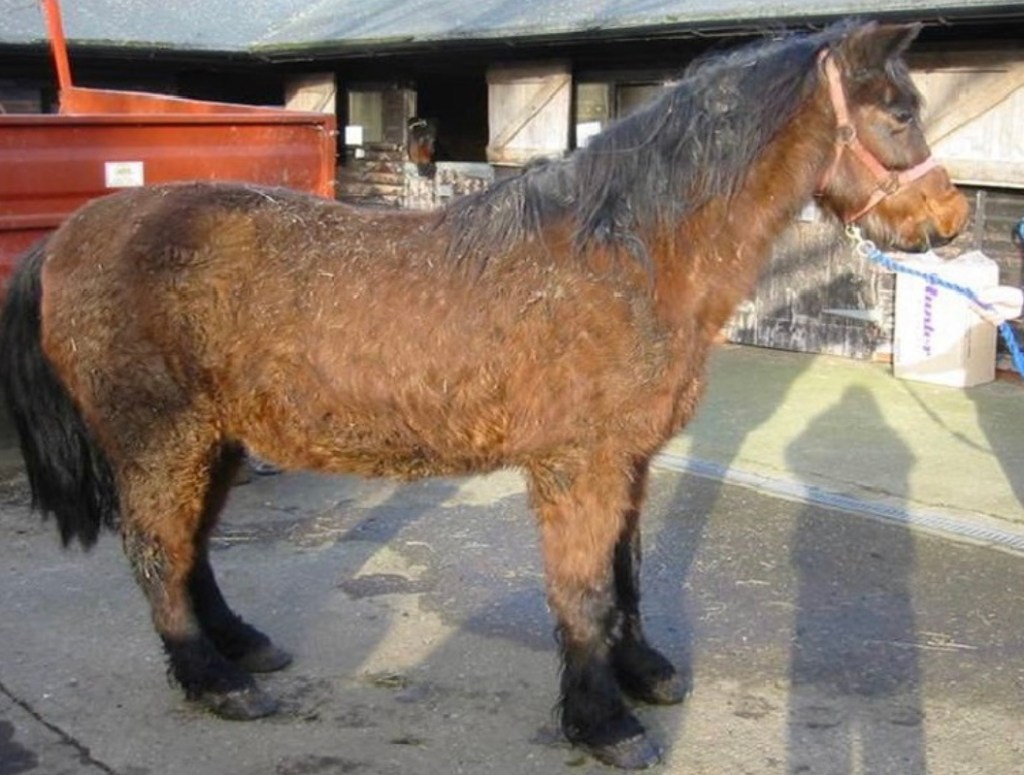
Cushing’s syndrome has become one of the most common diagnoses in equine veterinary practice. There are several reasons why. Perhaps a major one is that we keep our horses going for a greater number of years than we did in the past, and Cushing’s tends to more commonly affect elderly horses. Veterinarians and horse owners are also much better informed about the condition and are knowledgeable about symptoms. In addition, our ability to test for the Cushing’s has improved, and the main drug prescribed for it has been approved for use in horses, leading to easy conventional treatment.
What is Cushing’s syndrome?
A more correct term for Cushing’s among researchers is PPID (Pituitary Par Intermedia Dysfunction). This is because Cushing’s in humans and dogs affects a different part of the pituitary gland than it does in equines. PPID is a more correct functional term for the disease in horses, and should be adapted to describe this condition.
Pituitary adenomas (tumors) of the pars intermedia part of the pituitary gland have been considered an almost normal part of aging in horses. However, texts show conflicting reports about how common the true adenoma tumor is. About half the sources feel an actual adenoma is less common, and that hyperplasia (abnormal and overactive, but not tumorous growth of cells) occurs instead. Both adenomas and hyperplasia cause similar sets of symptoms, but hyperplasia, being a functional disturbance rather than a tumor, is easier to treat. Many horses respond well to treatment; in these cases, the condition is probably more functional than cancerous. Older horses that do not respond well to treatment may have actual tumors.
Signs of Cushing’s syndrome
- Hirsutism (long hair)
- Hair not shed out in summer
- Refractory laminitis
- Winter laminitis
- Weight problems (over- or underweight)
- Sluggish thyroid gland
- Insulin resistance
- Thyroid dysfunction
- Muscle soreness
- Diabetes
- Polyuria/polydipsia (drinking and peeing excessively)
- Collagen breakdown (back sags, tendons and ligaments may stretch)
- Poor hair coat
- Frequent infections of the skin or other organs
- Colic
- Poor teeth
- Multiple dental abnormalities
- Lowered immunity to intestinal parasites
- Decreased intestinal wall integrity
- Infertility
- Muscle wasting
The goal in natural treating Cushing’s or PPID and PPID-based laminitis is to return the horse’s metabolism to proper balance; provide nutritional support to prevent and reverse damage from circulating free radicals; and prevent further damage to and encourage healthy laminar attachments in the feet. Most horses can live a long and functional life, even with laminitis, if the program is good and tailored to their needs.
The first step in your program is to repair the gut. Many horses have been given anti-inflammatories and antibiotics frequently throughout their lives. This compromises the health of the digestive tract in many ways.
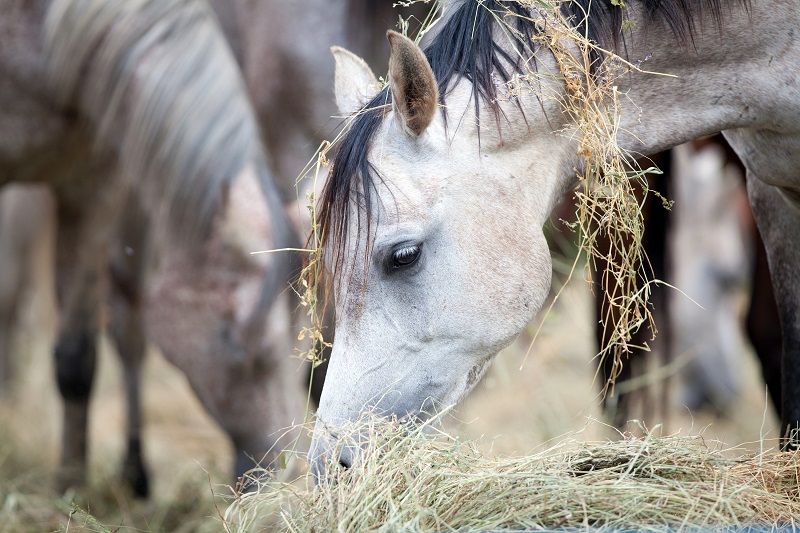
- Restore gut function with high qualityprobiotics. This is the most important thing. If the gut is in poor shape, try 20 grams of glutamine per day. Glutamine is an amino acid that serves as a fuel for cells of the gut wall.
- Feed whole foods if possible, unless the horse has poor teeth or poor digestion. Processed grains and hays may lose key ingredients during manufacturing since pellets and extruded feeds are made at high temperatures. Some horses digest their food better when enzymes are added.
- Choose a feed that’s low in sugar! No horse needs any sweet feed. Plain whole grains are effective; if you need to purchase a processed grain, get a low carb feed, preferably one made from non-GMO ingredients. Plain barley and oats make a simple, clean non-GMO mixture, if they are available. Barley is a cooling food from a Chinese medicine perspective, and is useful for inflammation.
- You may need to restrict your horse’s grazing in order to control his weight.
- Grass types, quality and sugar content vary across the country, so you need to learn about your local grasses.
- Time in the pasture is good for reducing stress, but can cause problems as well. Pasture Paradise setups, with a track for horses to walk to reach their hay, water and shelter, can be useful if you own your property.
- Muzzles are a compromise that work well for many horses, though not so well for others.
- Exercise is one of the best things you can do to help control weight, but this won’t work if the horse is in a lot of pain.
- Consider a possible need for higher levels of protein (up to 14%) and calories for Cushing’s horses with weight loss problems. Increased calories can be given as fats (vegetable oils, coconut oil or rice bran) and are well digested by most horses.
- Provide high levels of antioxidants.
- Coenzyme Q10 is very valuable in this respect. The therapeutic dose is 300mg to 600mg per day for the first week or two if the horse is acutely laminitic; the dose can then be slowly decreased to a maintenance dose of about 100mg per day (a good level for the non-laminitic horse).
- Vitamin C is an excellent antioxidant and nutrient for collagen support as well as organ and immune system healing. Doses range from 3g to 8g per day.
- Give the horse access to free choice minerals, with salt fed separately. This is among the most important aspects of any nutritional program for. Several key minerals are needed for glucose metabolism in the Cushing’s horse.
- Magnesium affects insulin secretion and its action in the cells. It also helps cells become more flexible and permeable to insulin.
- Chromium helps make muscle more sensitive to insulin so glucose can be taken into muscle cells more easily. In addition, chromium is related to elevated blood sugar and is effective in reducing fasting blood sugar levels.
- Vanadium or vandyl sulfate has actual insulin-like effects on glucose metabolism, which helps transport glucose into the cells.
- Provide essential fatty acids (EFAs); these are needed to help make cell walls more permeable to insulin. They are anti-inflammatory and improve the health of the immune system. Omega 3 fatty acids are especially deficient in many equine diets. Flax, chia seeds and hemp provide plenty of Omega 3s that are palatable to the equine.
- Consider pituitary glandular support. Some practitioners recommend using it for the Cushing’s syndrome horse, along with general glandular support, because the pituitary gland is central to the function of the entire hormonal system. Glandulars are nutritional supplements made from actual glandular tissue, often prepared with supporting nutrients.
Glandulars can be useful in equine nutrition and should be considered instead of synthetic organ replacement, as in thyroid therapy or as support for other organs such as the pituitary gland. Cushing’s horses are about the only ones I will use glandulars for because of the vegetarian nature of the equine. Additional thyroid supplementation may be necessary in some cases.
Treat each Cushing’s horse as an individual and seek quality practitioners to assist as you develop a program to help your equine partner. Use as much whole food nutrition as possible, supplement with specific nutrients as needed, reduce stresses (some practitioners recommend reducing vaccinations too), and support a healthy digestive tract. With some dedicated effort, your Cushing’s horse can lead a long and happy life.
Integrative therapies that are also sometimes very helpful for the Cushings or cushingoid horse
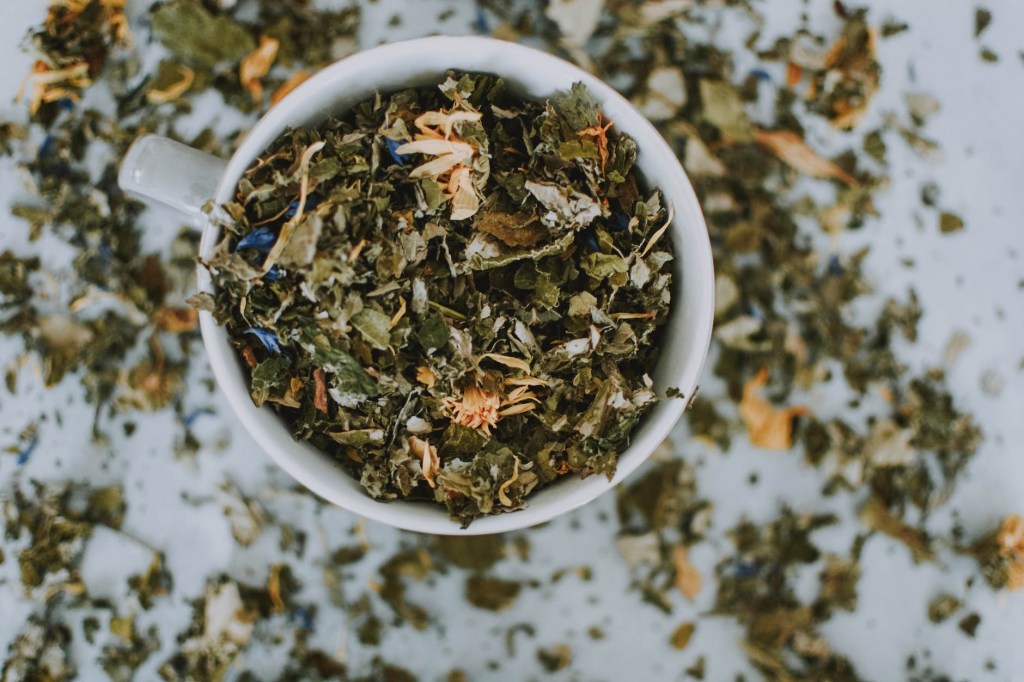
1. Herbs of many types are useful for the Cushing’s horse. Milk thistle, vitex agnus castus, bilberry, fenugreek, and many others have properties that support and correct the hormonal system. Devils claw helps with inflammation as does boswelia and turmeric. Cleavers (Galium aparine L. ) can be picked along field borders and offer a tonic to the lymph system. Chaste tree supports the pituitary directly. Bladderwrack and kelp seaweeds also offer support. Barberry, Burdock, Echinacea, Parsley, Pau D Arco, Chamomile, Ginger, Gingko, Hydrangea and Goldenseal. I recommend using Silver Lining herbs pituitary support if you are unsure about blending your own herbal mix.
2. For many owners, homeopathy offers a supportive path and can be important to the success of treatment in many cases. If homeopathy is used, it is advisable to work with an experienced homeopath to determine the constitutional remedy that best the individual horse.
3. Chinese medicine, with acupuncture and Chinese herbs, can be also used to help Cushing’s horses. Herbal formulas are tailored to address the imbalance in each individual horse, so there are no generalizations. It is best to work with a veterinarian experienced in either Chinese herbs or acupuncture.
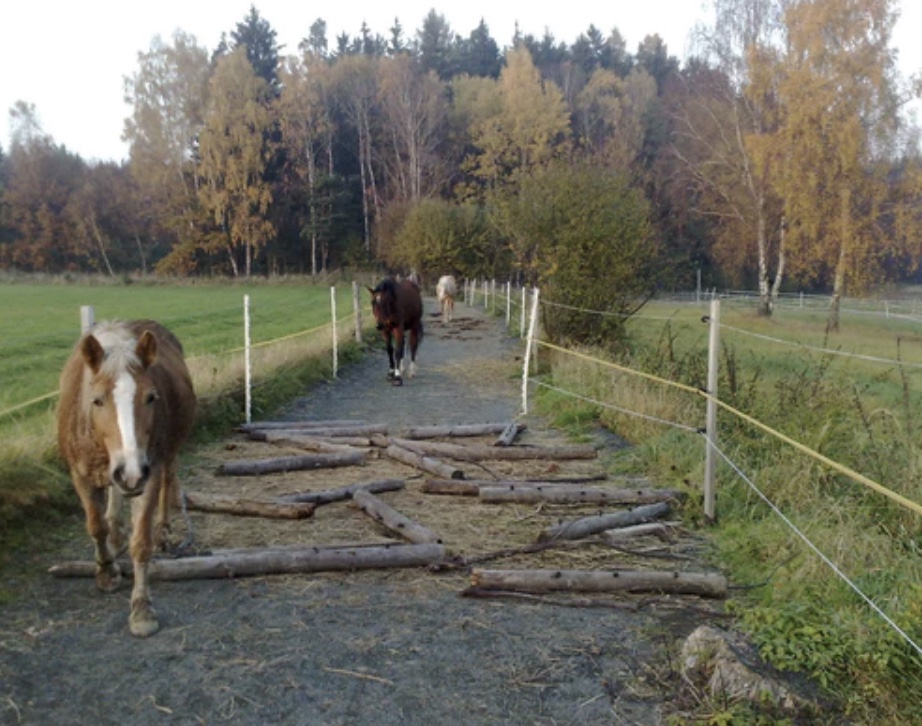
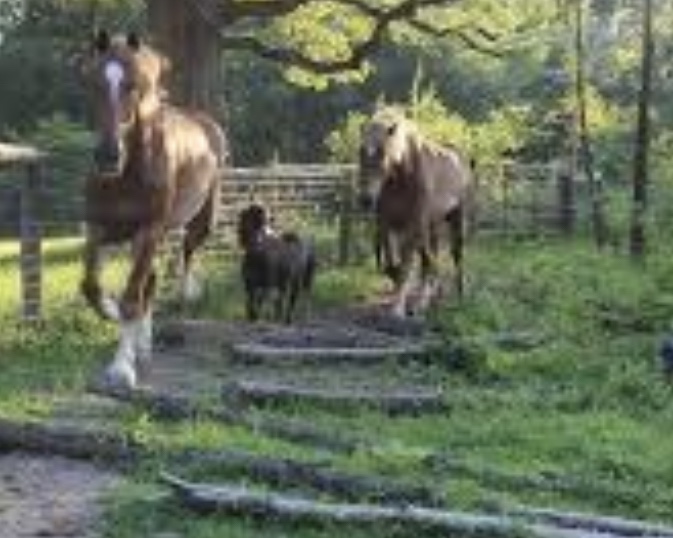
Keeping your horse active and moving can be an extremely important part of rehabilitation in horses with cushings and laminitis processes. Many owners have found the use of a track system with physical challenges such as railway sleepers to step over along the way.
 Happy Healthy Horses