
This weeks blog is a little different as I introduce a new course we have been developing here at High Coast Animal a education centre. This course is really great for you if you want to improve your relationship with your own horse, develop and deepen your knowledge to help horses or as an introduction to equine massage, bodywork or physiotherapy as a career.
This course is an introduction to equine bodywork and covers the basics. It offers manual techniques to help horses be more comfortable, riders and owners have a better understanding of their horse and pick up problems in the body before they become too great. It is a great beginning in a career helping horses and is taught by practitioners with real on the ground experience.
On achieving the certification from this course you will be able to offer massage and very basic myofascial treatment to your own horses and to progress to advanced courses in equine massage, equine bodywork or equine physiotherapy
Contents;
The horse as a species
Evolution and domestication: two concepts that have played a crucial role in the creation of the horse as we know it today.
You learn how the horse evolved, how it developed over the centuries and how it interacted with humans.
These components give you more insight into the horse’s basic needs and functioning.
The horse’s anatomy
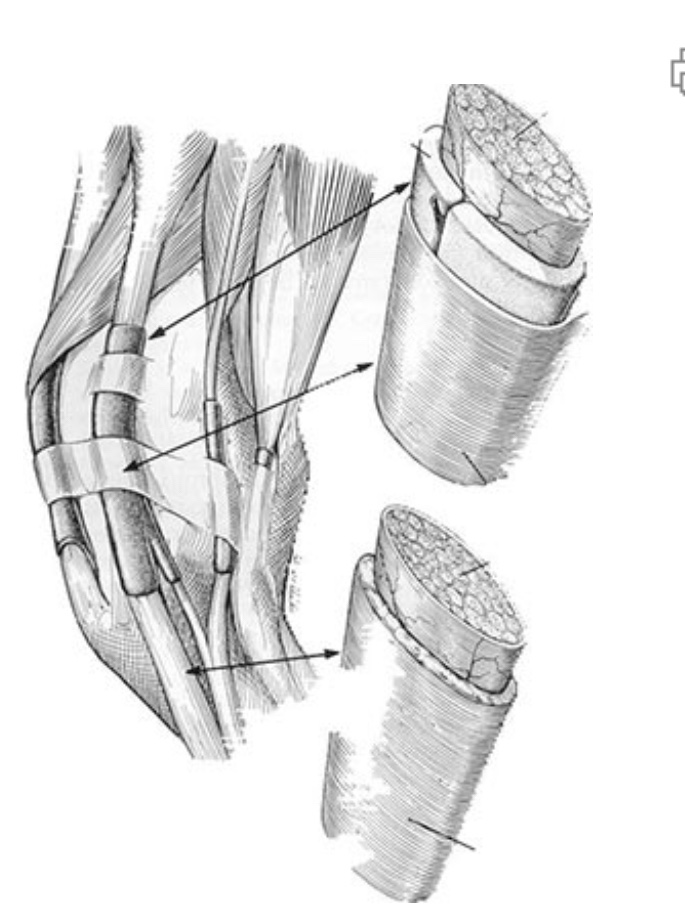
The basic anatomy of the horse – knowing what is where!
⁃ bones and skeleton
⁃ Muscles
⁃ Nerves
⁃ Fascia
⁃ Joints
⁃ Hoof
⁃ Face
The horse’s systems
The different systems of the horse are discussed. You will learn more about the function and structure of, among other things, the skeleton, muscles and the digestive system.

The musculature alone is incapable of moving the horse, and the digestive system does not provide fuel when it cannot interact with other systems in the body.
All systems in the horse’s body are interconnected and help each other to function properly.
You will learn more about the flight response, how nutrition is converted into movement and how horses sleep and rest.
The Horse’s movement
Movement plays an essential role in a horse’s daily life.
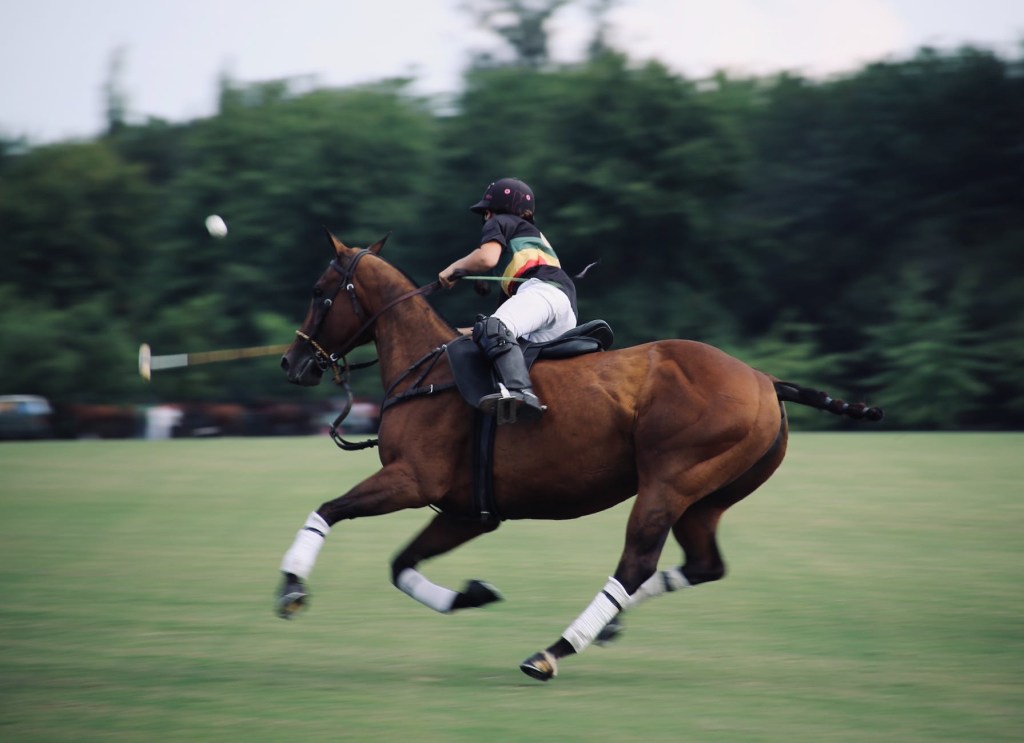
In this module you will use the knowledge from the earlier modules to look at and assess the horse properly.
What is it that makes a horse ‘well-built’, and what influence do certain deviations in the conformation have?
By observing horses in movement, you will learn some of the abnormalities in movement there are and how to recognize them. Subjects such as lameness testing, abnormalities that can cause lameness and the horse’s ability to recover from injury are discussed in brief.
The horse’s psychology
An essential part of working with our horses is that of responding to their behaviour and communication with us. Without an understanding of the horse as a species, as a gender and as an individual, it is nearly impossible to offer meaningful bodywork.
By examining horses in the wild and in different training programs you will begin to draw a framework for developing your own style of bodywork for your horse
The horse’s bodywork
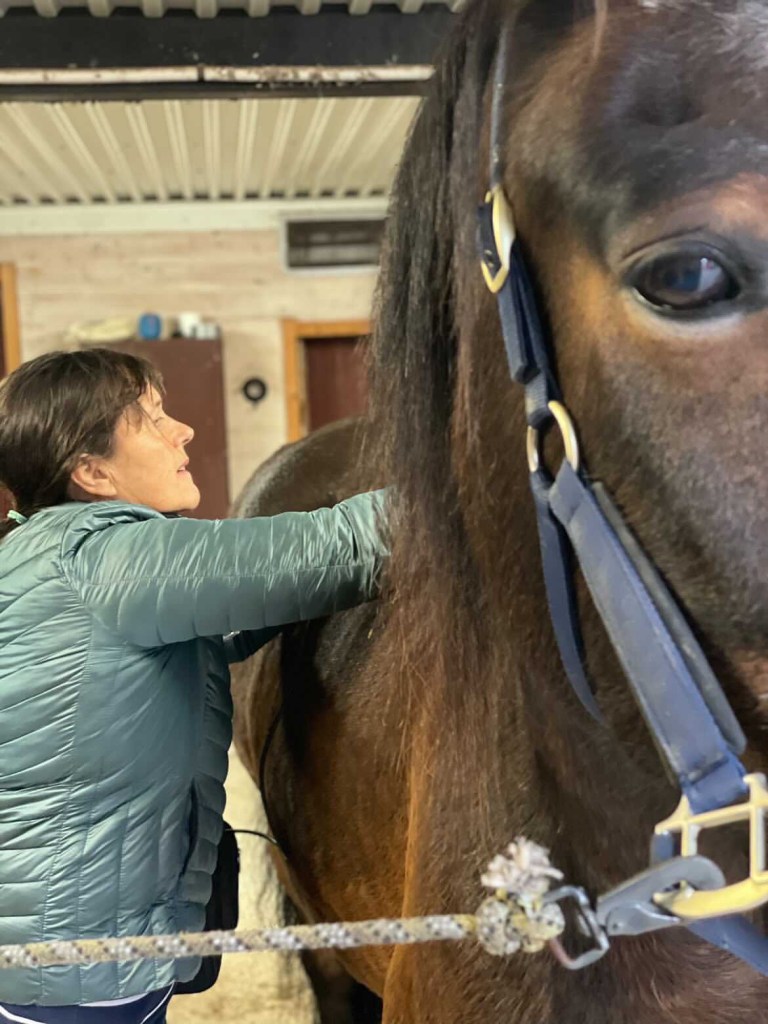
Horse behaviour and the domains of horse welfare.
Massage techniques and keeping your body safe.
Engaging the horse in bodywork. Massage techniques related to fascial chains.
Bodywork related to meridians.
Reading body language.
Back to muscles! – know where they are, what they do and how to massage, as well as potential other manual and energetic treatments you can offer which help.
ailsa@fysioskolan.se for more information
 Happy Healthy Horses