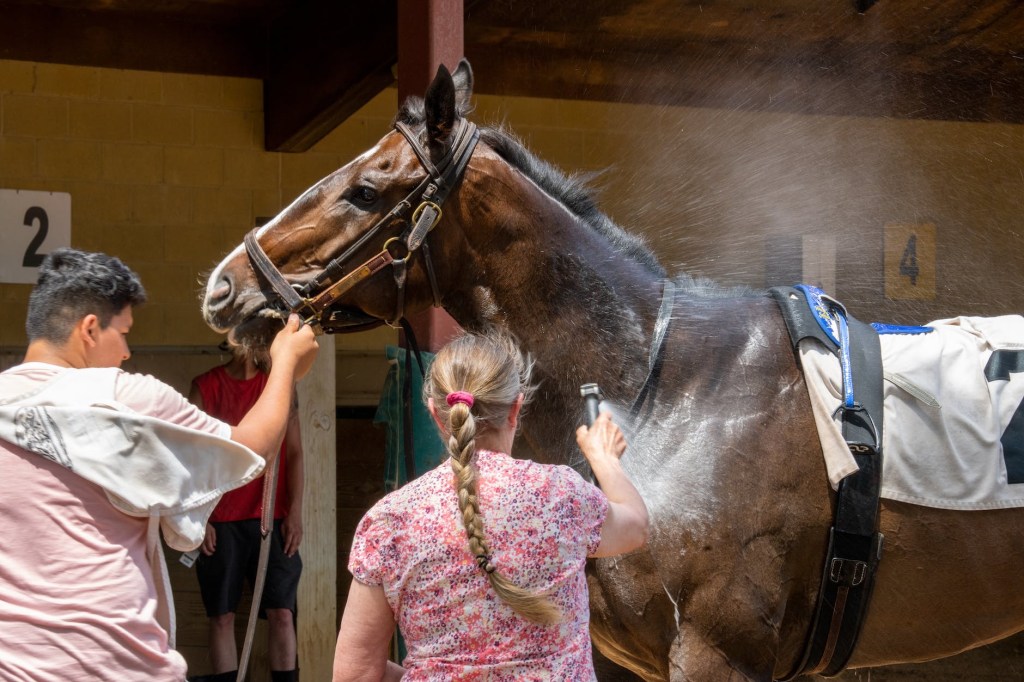
I recently read a statistic that around 25% of equestrian injuries happen when the person is unmounted, including serious injuries.
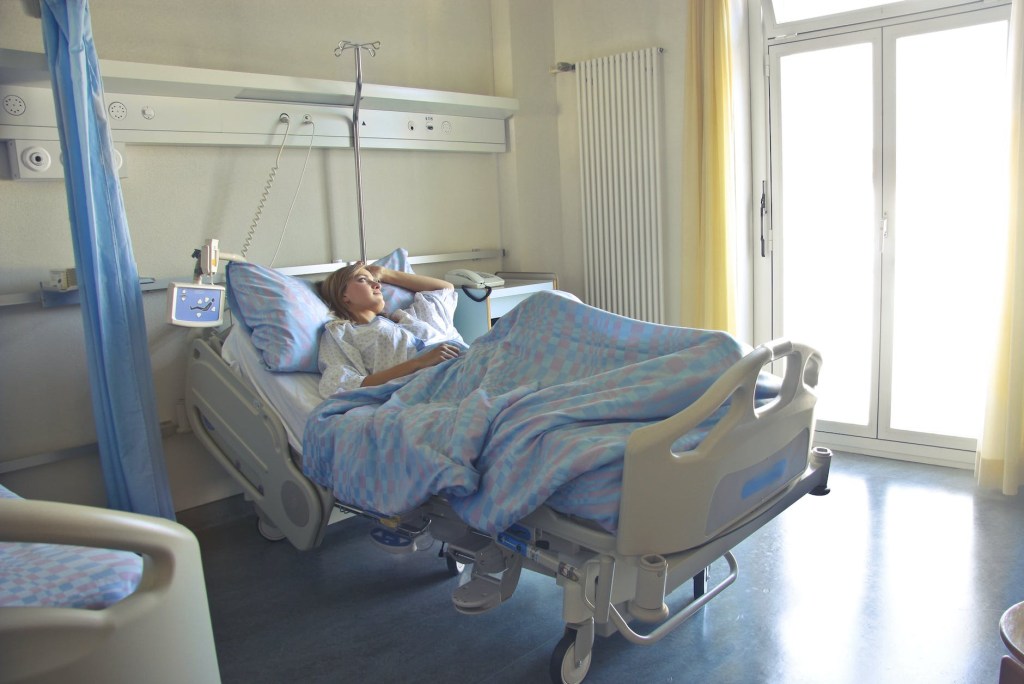
My first head injury patient as an NHS therapist was an experienced horsewoman leading her horse to be groomed when other horses panicked at the gate and she was trampled with a shod hoof penetrating her skull.
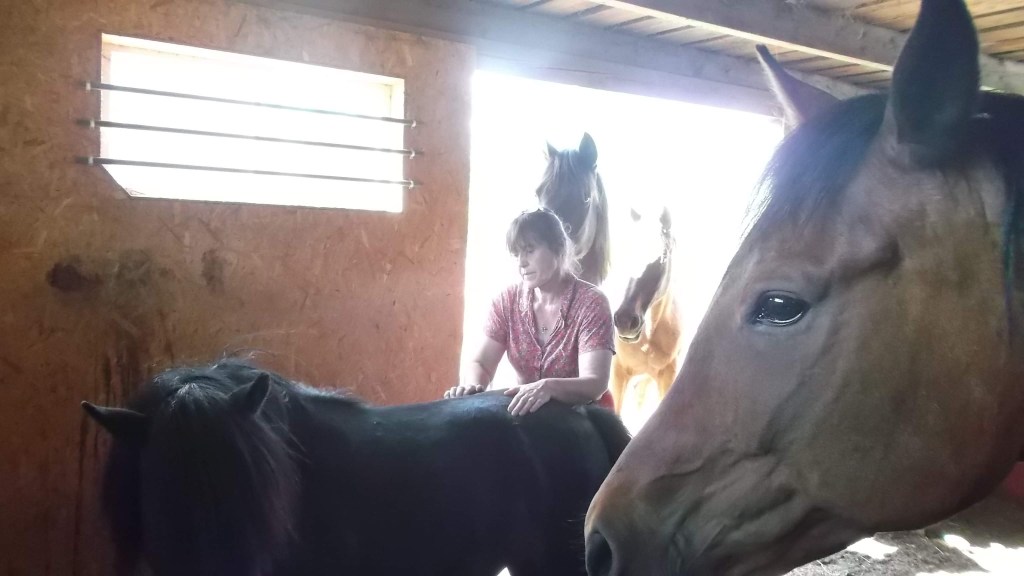
As a veterinary rehabilitation therapist/equine bodyworker and also a horsemanship trainer, I am acutely aware of how important it is to read and be respectful of a horse’s communication and personal space. After all I expect them to be careful of mine!
With my own horses, I try to teach them to give space and the corollary to that is I must give them space too, hanging out with the herd is a favourite activity but that doesn’t mean stroking faces or cuddling necks. Sometimes it does but there are ways to request that we touch rather than force. Signals that say ‘sorry but it’s time for….(vet/physio/farrier/riding)’ like certain halters for certain jobs and a gentle approach, even if a thorough grooming is required. When I worn with a horse in bodywork I prefer them to have room to move from me (a stall or a longer rope over my arm allows me not to have to walk to far to offer a second or third time to a sceptical horse)!
In a study where people were observed while grooming horses, half of the horses showed pain or aggression. The people were mostly unaware of the horses’ discomfort, even when some of their behavior escalated to dangerous threats. Only 5% of the horses showed positive behaviors like seeking closer contact or offering mutual grooming.
We need to learn to read our horses better!
We also need to learn a polite and respectful approach. I am always surprised by the number of ‘horse folk’ in riding schools who begin an interaction at the face of the horse and smack for reward (after all that is what a pat is if enthusiastically applied)!
We need to teach children and young people horse language almost before we allow them near a horse in my opinion.
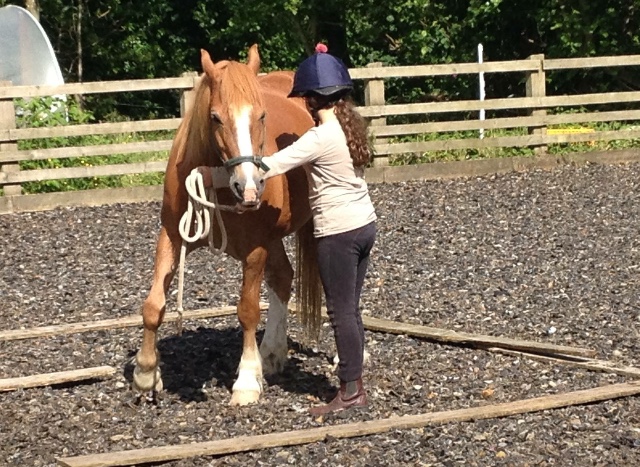
And, in my perspective, mutual respect aught to be at the heart of horsemanship way before we encourage competitive riding.
In a second study, horses showed significantly more positive behaviors when the person grooming adjusted her technique according to the horse’s emotional responses, positive or negative.
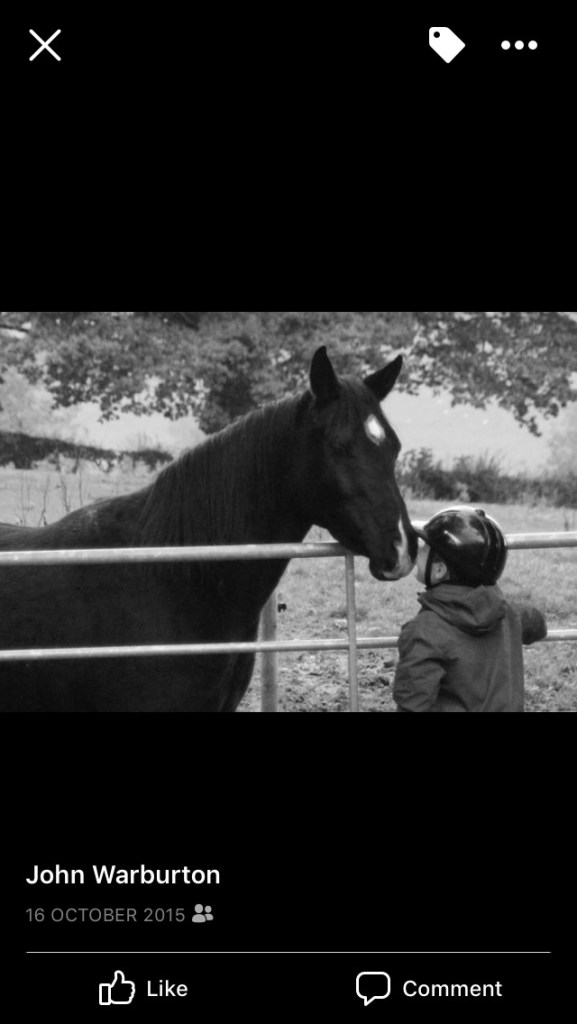
We know that horses are very sensitive to touch (just think of how the skin responds to a fly landing on your horse), and will naturally have individual preferences for (or aversions to) different types of touch and different grooming tools, after all every horse is an individual. From the horse’s perspective as a flight animal with strict social herd rules about touch, grooming is an intense invasion of personal space (just as for us, the amount of invasion accepted and the amount of personal space held is utterly individual to each horse).
Understandably, and like us, invading space can make horses anxious.
In my view cross tying a horse for our safety worsens the problem (and does not resolve our safety issues as much as we might hope) and many unmoving horses are actually in a stressed state, known in the world of PTSD and mental health as ‘freeze.’
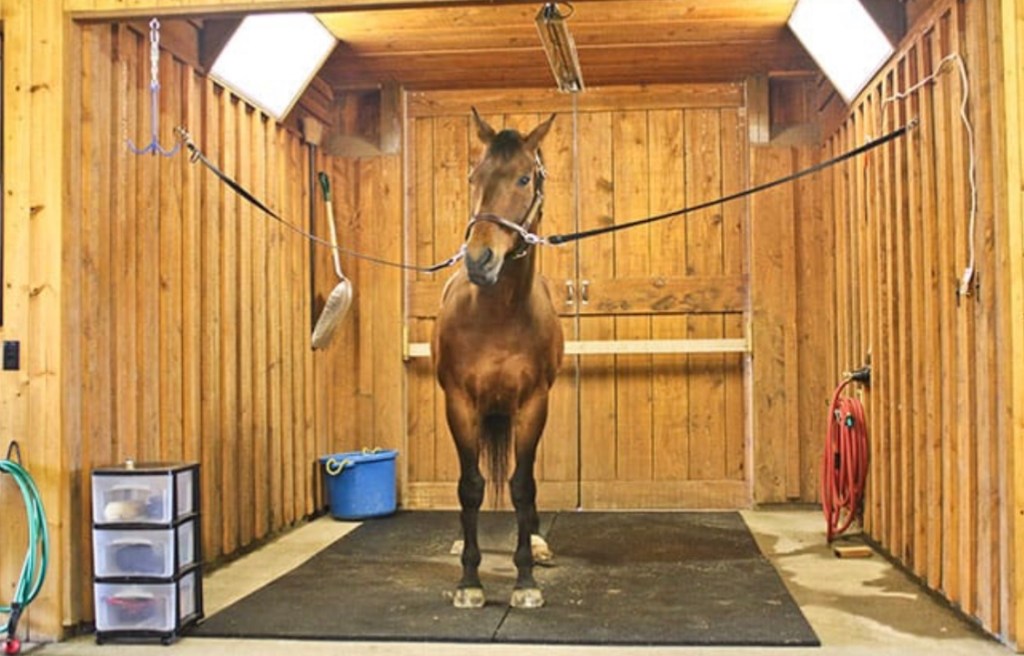
While many horses and ponies learn this practice is ‘what humans do to me,’ I do not believe it is the best way to perform bonding activities like grooming or massage. (Anthropomorphic example would be tying you to a massage table and applying massage techniques without asking if the pressure is correct or not).
The problems with stressing our horses lead to illnesses like stomach ulcers, behaviour we don’t want like kicking or refusing to be caught, stress behaviour like nibbling on ropes or biting wood and more serious health problems resulting from raised cortisol in their systems. Since horses are expensive and vet bills even more so, it seems sensible to keep costs down by keeping our horses in the least stressed way.
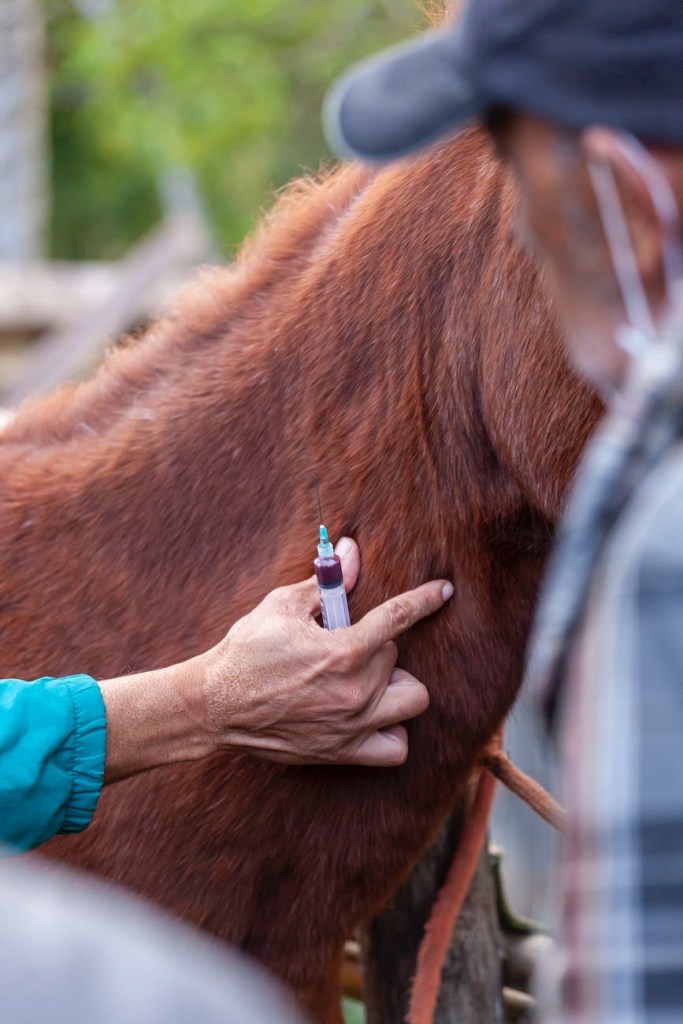
Tuning in to horses’ emotions improves their welfare, their health outcomes, our partnership with them, and can protect our safety at the same time.
If you would like to learn more, please join my horse tribe and take one of the online or in person trainings we offer at the High Coast Animal Academy.
References:
Do Horses Like Being Groomed? Probably Not, Study Finds
by Robin Foster, PhD, Cert. Applied Animal Behaviorist (CAAB), Cert. Horse Behavior Consultant (CHBC)
Study: Many Riders Don’t Groom Horses Properly or Safely
by Christa Lesté-Lasserre, MA |
Lansade, L., Bonneau, C., Parias, C., & Biau, S. (2019).
Horse’s emotional state and rider safety during grooming practices, a field study. Applied Animal Behaviour Science 217, 43–47.
Lansade, L., Nowak, R., Lainé, A.-L., Leterrier, C., Bonneau, C., Parias, C., Bertin, A. (2018). Facial expression and oxytocin as possible markers of positive emotions in horses. Scientific Reports 8, 14680. DOI:10.1038/s41598-018-32993-z
#WhatHorsesReallyWant #ProtectorLeadership #horsepsychologist
@svenskafysioterapiskolan
@highcoastanimalacademy
@fyrafotter
 Happy Healthy Horses