Spring ridden training of your horse
I am a huge advocate for in hand training work but today I am specifically looking at ridden work…
Ride in straight lines!
I know, as riders, we are often obsessed with circles! Circles are great; correct bend is good! But until you can establish good muscle balance, the straight line is your friend. In terms of equine balance and fitness, straight lines are a mighty tool!
From a conditioning standpoint, plenty of work on straight lines is vital for improving function of back muscles and equalizing forces from the hind legs.
Too much time on bent or curved lines can deepen muscle imbalances and worsen short-strided gaits.
But straight does not mean boring!
By using slopes and uneven ground, straight can actually be hugely challenging. Straight doesn’t mean just going forwards! Changing pace; changing speed within a gait; changing direction (back and forwards); going over poles and using balance challenges little a slope, a tyre or a teeter totter are all highly effective methods of increasing muscle in a straight line.
But if I just do straight lines, my circles will be awful and unpracticed!
The thing is if you start riding circles with unbalanced muscles, you will potentially confirm the imbalance unless you can ride in such a way that you influence those specific muscles (which, being honest, is a pretty complex challenge for most of us hobby riders).
If you want hind end muscles, ride slowly up hills on a loose rein. If you can do this and add in a few little obstacles along the way to step over, you will improve the body control and proprioception for your horse into the bargain! Stepping slowly over jump poles on stands somewhat higher than cavaletti (knee height), having slowly raised the poles inch by inch from the ground up so that the horse learns to use his legs and his body awareness builds the very best kind of strength and range of motion for a jumper. It helps the joints to be flexible and adds strength to the muscles- a little like tai chi for horses!
It might seem a little less interested as a rider but when you get into the way of thinking, it becomes great fun to look out for and use obstacles out on a trail ride or in the arena and consider which muscles you can build and how.
Improving your horse’s body awareness, strength and control will keep you both safe as well as improving your horses ability to clear jumps, produce higher points in dressage or maintain fitness for longer while competing over distance.
Below are five ideas for straight line training to get you started!
1. Straight and still; square your horse up and sit for 5 minutes, quietly correcting any movements out of square, with all four hooves carrying equal weight. (If your horse cannot do this or tries to avoid it is likely due to physical weakness – begin small and on day one expect 30 seconds, building up time over numerous short sessions across 2 weeks). Most horses prefer to put weight on certain legs and take weight off others. Squaring up is a great way of helping your horse balance under your weight.

2. Back up; learning to back up in a straight line is a great skill and much harder than it looks. Put two poles on the ground and step your horse into the ‘roadway’ you have made just one or two steps to begin with. Back out. Now step a little further in and back out again slowly and step by step. Continue slowly repeating until you have walked all the way through and backed all the way back. This is a great exercise for your balance and straightness too as wonky riders create a wonky backup!Stop and take a good look at where your horse’s feet are in relation to the poles but then go back to looking forward straight at a point on the horizon to keep your own body straight during the rein back

3. Using cavaletti and trotting poles on the straight; going straight at a walk and trot over poles and cavaletti is an excellent exercise.
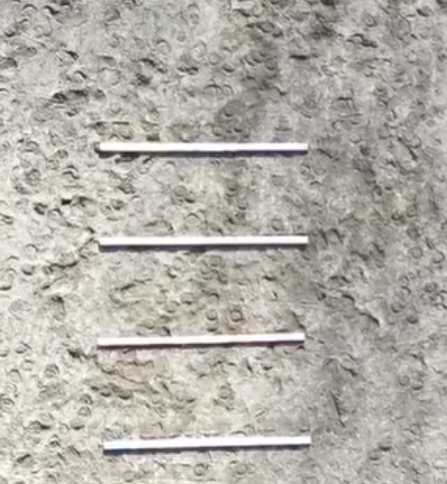
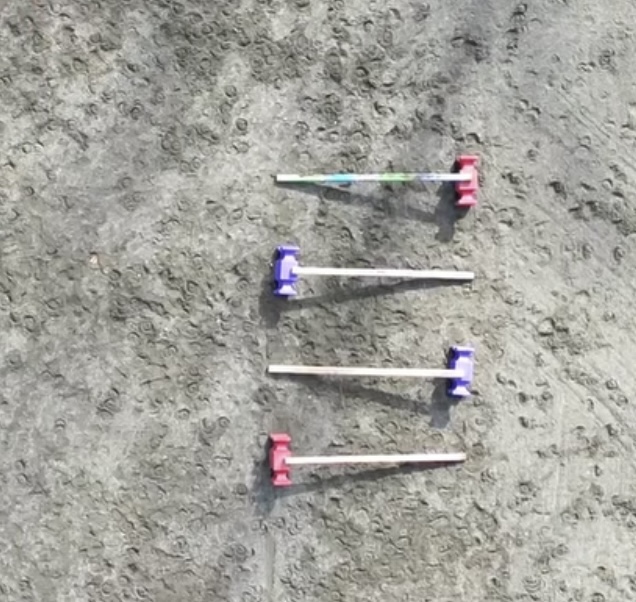
4. You can add a little challenge by raising one end of the poles and even alternating so that first the right then the left end is raised. This helps with stride length, stretch, proprioception and rhythm.
5. Use a bank or slope and ride up and down it in walk. Try going across it in both directions. Back up/ rein back up the slope. Back up/rein back down the slope. If your horse is unsure with weight in the saddle, hop off and try this in hand!
Remember if it is hard to do ridden, you can always teach all of these exercises in hand to your horse first. Horses may take a while to understand what you are asking of them and longer for their body to coordinate some of these exercises so ….be patient and good luck!

 Happy Healthy Horses