For foals who fail to wake fully at birth, an innovative veterinary technique could be the answer.
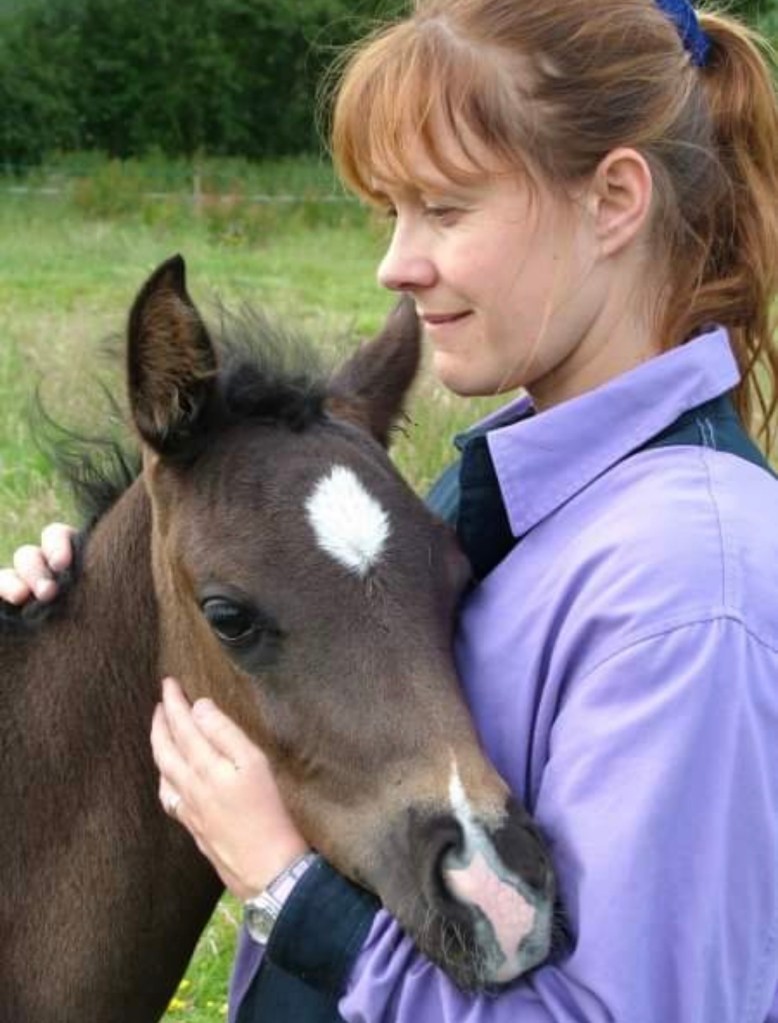
Driving around I am already seeing a good few happy healthy foals running around the fields with their mums. I have passed on the tragic calls for foster mums to orphaned foals and have celebrated with friends their new arrivals as well as begin the process of educating these long legged youngsters in the ways of us strange humans through my foal handling courses. Thinking about foals reminds me of many years on foal watch for stud stables and to relieve friends so they could get a little rest and of the wild ride emotionally that can come with being involved in the creation and early life of these amazing animals.
A Facebook friend recently put up some pictures of her ‘dummy foal’ and that reminded me about the veterinary technique that can help some ‘slow to respond’ foals (& calves & lambs) in those very early hours of life…..
The majority of foals born are fit, healthy and ready for the world, but sometimes things aren’t quite right. One condition that can affect a newborn foal is neonatal maladjustment syndrome, also known as being a “dummy foal”. A procedure that can help in this situation is the Madigan squeeze.
Traditionally, oxygen deprivation to the brain is thought to be the reason for this neonatal maladjustment syndrome, resulting in brain damage and inadequate blood supply to the nerve cells. Oxygen deprivation can result from the placenta coming away abruptly from the uterus before foaling, prolonged labour, prematurity, sepsis and swelling of the brain, among other causes.

Another, newer consideration is failure of the foal’s mental state to evolve from somnolence within the uterus to consciousness at birth, which normally occurs as the foal travels through the birth canal. The squeezing effect of the canal halts the release of neurosteroids. These keep the foal in a state of unconsciousness in the uterus; if no signal is received to stop their production they continue to be emitted, preventing the foal from becoming fully conscious as he emerges.
Slow to respond
A so called ‘dummy foal’ will often be slow to follow the expected patterns of behaviour, not standing or drinking within the normal time-frame, for example. He may be lethargic and “forget” to lie down or stand up, needing assistance or reminding.
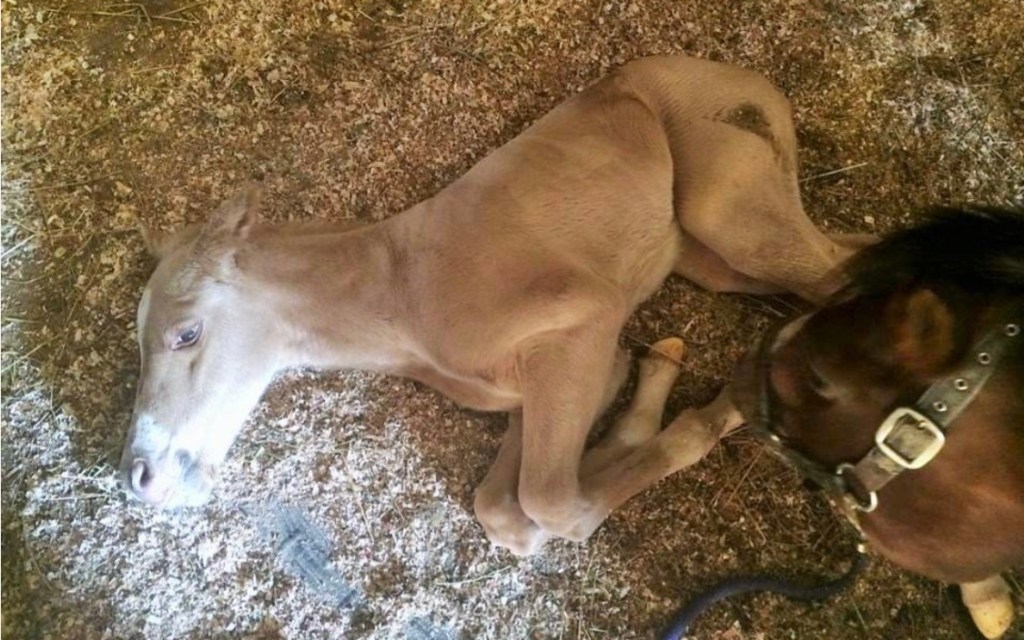
The foal is typically unable to interact fully both with his dam and his environment. When going to feed, he may struggle to locate the udder or fully latch on – this can lead to failure of passive transfer, a process where the foal receives essential antibodies from the mare. If he does not ingest enough colostrum before his gastrointestinal tract stops being able to absorb these large proteins, he is at increased risk of sepsis and other life-threatening illnesses.
In many (but not all) of these foals, the problem is a persistence of a progesterone-like hormone that is in all mammals. The hormone keeps the neonate quiet in the womb. The hormone levels drop during the birthing process, but if the foal comes out too fast, or if for unknown reasons, the progesterone-like hormone persists, the foal becomes what we all call dummies. The same thing happens in all mammals, including humans! For this reason, the technique has been used with success in cows as well and even in sheep and goats.
Failure to spot the signs and initiate treatment can mean that a dummy foal develops a dangerously low body temperature (hypothermia) or blood sugar levels (hypoglycaemia), which can ultimately lead to death.
Foals are born with very little energy storage in the form of fat, so intervention to ensure that the affected foal receives adequate colostrum can be essential. Care must always be taken if bottle-feeding a foal, because aspiration pneumonia can result if any fluid, such as milk, enters the lungs. Due to their often poor suck reflex, dummy foals need to be fed with extra caution.
It is important to seek veterinary advice, as stomach-tubing the colostrum (called råmjölk in Swedish) is often considered safer. An intravenous drip may also be necessary, containing warm fluids, glucose and other neuro-protective agents such as thiamine and vitamin C.
Most foals recover well within one to five days, with correct care and if closely monitored, and begin to behave as expected.
The Madigan squeeze
Invented by Dr Madigan DVM, of the University of California, Davis, the Madigan squeeze technique aimsto help foals suffering from neonatal maladjustment syndrome (often referred to as ‘dummy’ foal syndrome) to recover. The Madigan squeeze is a procedure that attempts to recreate the natural transition to consciousness.
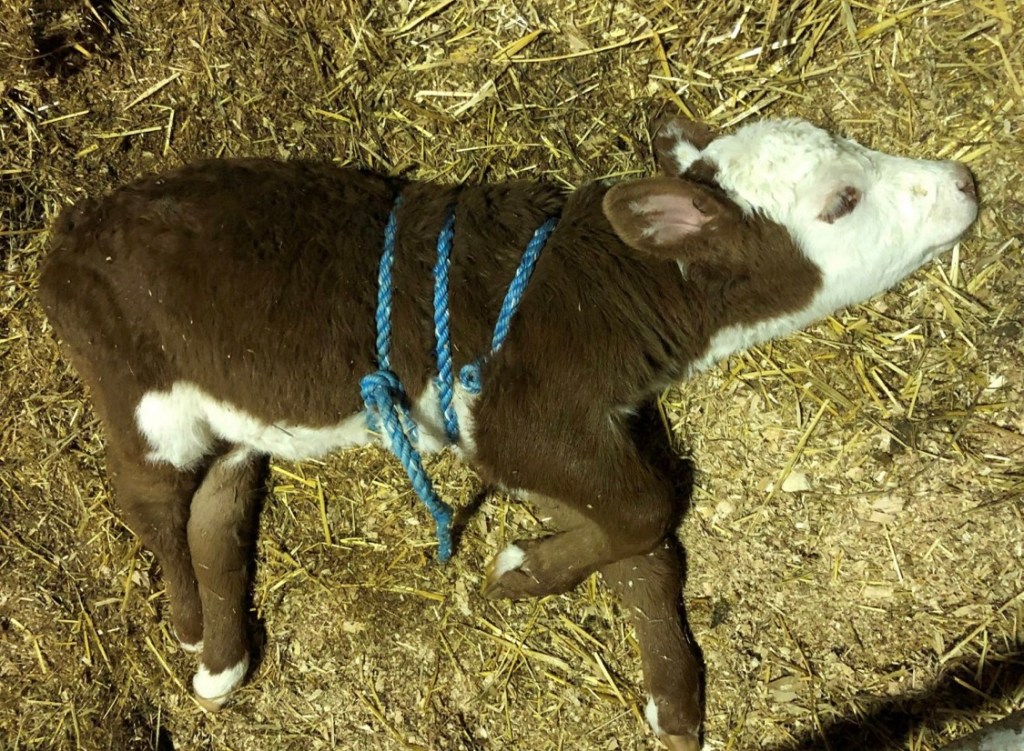
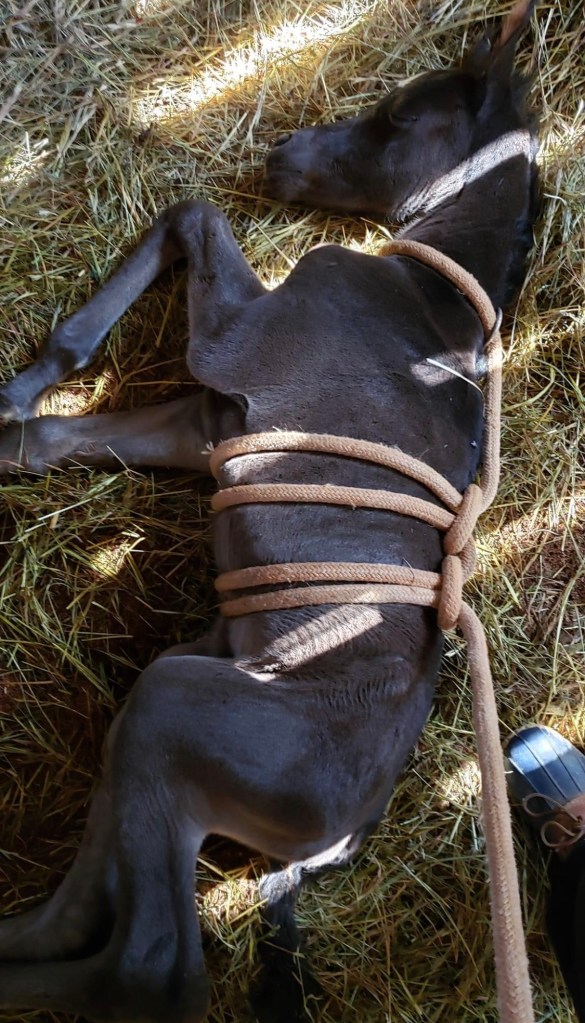
A rope is secured around the foal by looping it around the chest several times. Tension is then applied to mimic the pressures implemented by the birth canal during the foal’s journey from the uterus to the outside world, and at the same time the foal is helped to lie down.
The rope is held for 20 minutes, the duration that the mare would be in second-stage labour. During this time, the foal becomes somnolent and lies asleep within the rope (so don’t panic and do stick with it).
At the point the rope is released, the foal awakens, and, if the procedure has been successful, displays normal consciousness –usually going straight to the dam to drink. With these foals who have responded well to the technique, the prognosis is excellent as the sedative effect from the neurosteroids has been switched off.
The Madigan squeeze will not work on those who have suffered from hypoxic injury to the brain, unfortunately, although (importantly) attempting the method will do no harm. The only caveat is that the foal is first checked carefully for evidence of rib fractures; if injury is detected, it is not safe to squeeze the foal.
So in thanks for all the animals helped and the foals grown into happy healthy horses, I am celebrating Dr John Madigan today with thanks!

 Happy Healthy Horses