
One of the significant challenges facing horse owners today is the rising cost of horse care and ownership. Maintaining a horse involves various expenses, including feed, veterinary care, farrier services, equipment, and boarding or stable fees. The cost of hay, grains, supplements, and medical treatments can be substantial, making it challenging for horse owners to provide the necessary care while managing their budget.
Additionally, economic factors such as inflation and fluctuating feed prices can contribute to the financial strain on horse owners. This situation may lead some owners to cut corners on essential care, potentially affecting the health and well-being of their horses.
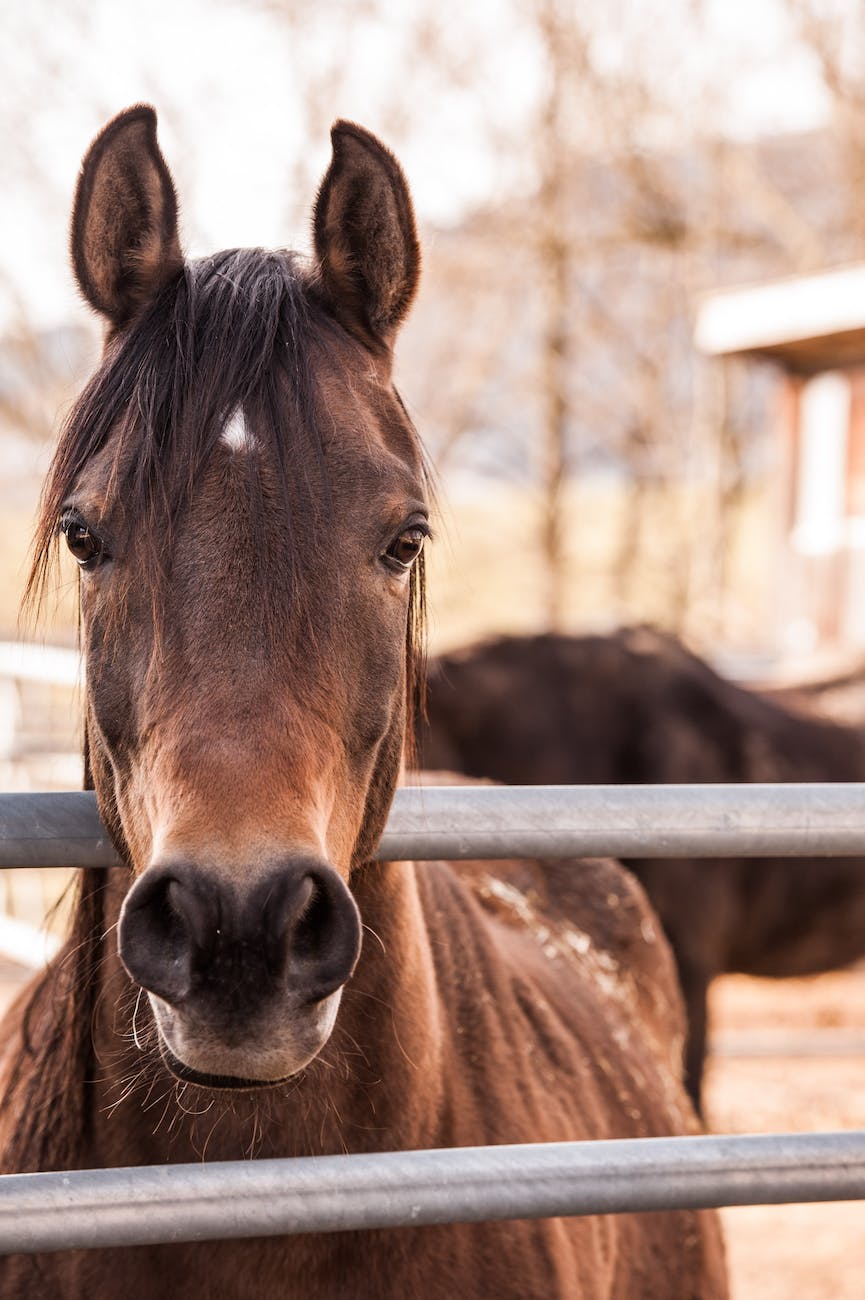
Another concern is the availability and cost of suitable land for keeping horses.
So bearing in mind how costs are rising and economies seem to be reducing, here are ten quick pointers to reducing your horse keeping costs without reducing the care and welfare of your horse
- Pasture Boarding: Opt for pasture boarding instead of stall boarding. Allowing horses to graze in a pasture setting can be more cost-effective than keeping them in individual stalls and ultimately is better for the horse health as they move more and have their social needs met by living in a group.
- Bulk Feed Purchases: Buy horse feed and hay in bulk to take advantage of discounts. Purchasing larger quantities can often result in lower per-unit costs. Being aware of what food you actually need prevents you from the lure of advertising. Knowing what is in a feed lets you make decisions about what else to add. All of this reduces unnecessary costs.
- DIY Grooming and Basic Care: Learn to handle basic grooming tasks, such as brushing, mane-tail care, and hoof picking, sa well as training your horse to stand quietly if you need to clip him in the winter to reduce the frequency of professional grooming services.
- Shared Expenses: Consider sharing expenses with other horse owners. This can include sharing transportation costs, jointly purchasing feed, or rotating duties like feeding and mucking out stalls.
- DIY Maintenance: Learn to perform simple maintenance tasks, such as basic first aid, minor repairs to equipment, and routine health checks, to reduce reliance on professionals. Do you know what the temperature and breathing rate is of the average horse or how to take the pulse?
- Bulk Purchase of Supplies: Buy horse care supplies, like grooming tools, bedding, and supplements, in bulk to take advantage of discounts offered by wholesalers; if you are a one horse owner, you could join together with other horse owners in your area to buy in bulk.
- Educate Yourself: Invest time in learning about horse care, nutrition, and health. Understanding your horse’s needs can help prevent unnecessary expenses related to poor health or improper care. We really want to help you to know how best to help your horse so there are a range of courses available at High Coast Animal Academy to show the way in horse care, bodywork, nutrition and training.
- Barter or Trade Services: Explore the possibility of bartering or trading services with other horse owners. For example, you could exchange riding lessons for help with mucking out or turn out.
- Second-Hand Equipment: Purchase used horse equipment and tack. Many items, such as saddles, blankets, and grooming tools, can be found in good condition at a fraction of the cost of new ones. Learn about saddle fit (we offer a saddle fit 101 online beginners course to help you know if a saddle is safe and fits ok.)
- Health Maintenance Practices: Focus on preventive health measures to avoid costly veterinary bills. Regular vaccinations, dental care, and parasite control can contribute to long-term savings by preventing health issues. Knowing how to keep your horse fit and healthy using the environment can really help. None of us can really be with our horses as much as we might like to train their bodies so how about setting up and environment that physically stretches the body while requiring movement between food and water.
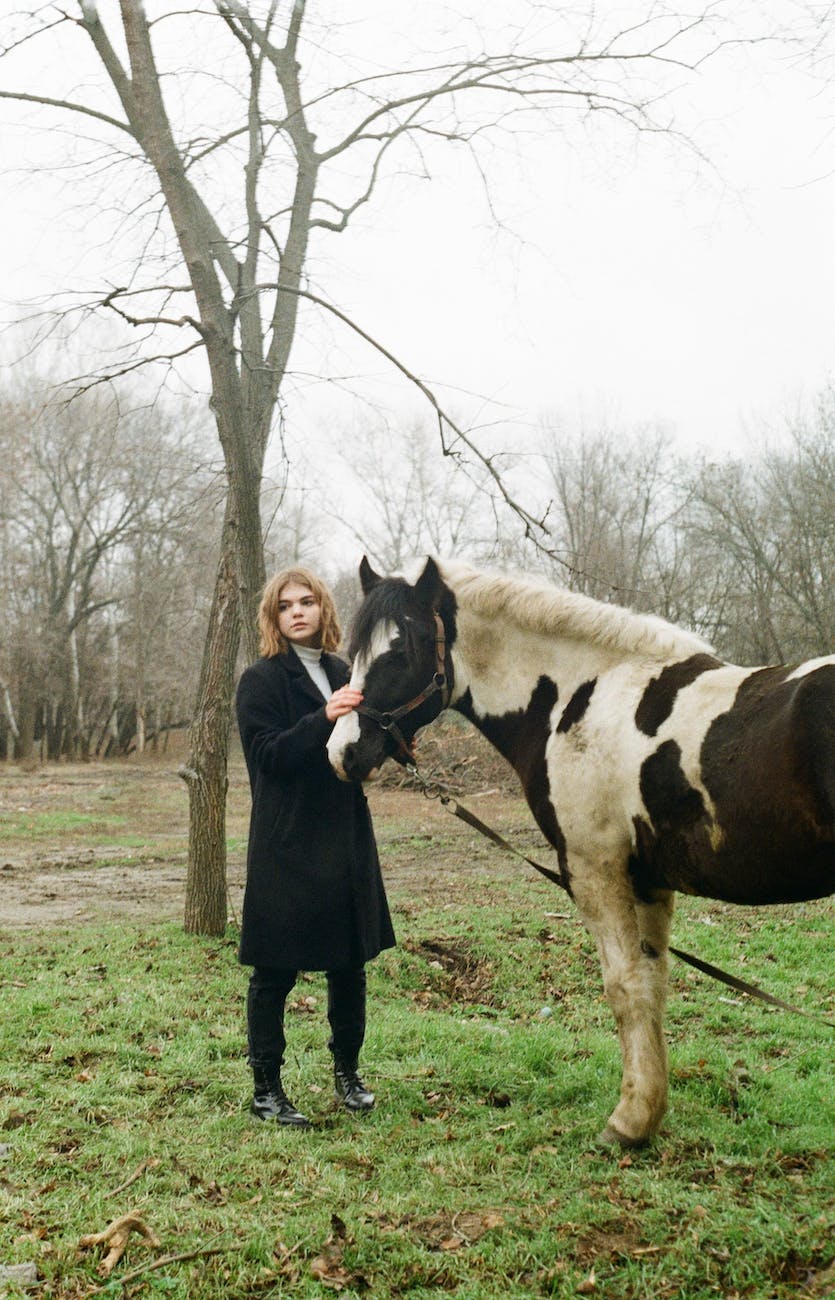
Remember, while cost-cutting measures are important, it’s crucial not to compromise on the essential needs of the horse. Proper nutrition, veterinary care, and a safe living environment should always be prioritized for the well-being of your horse. That said, much can be done your self through building a good equine friendly environment and developing excellent knowledge about food and health.
 Happy Healthy Horses