Horses are remarkable athletes and sensitive companions, but like us, their health and performance depend heavily on quality sleep. While they may nap standing during the day, achieving deep REM sleep is crucial for muscle recovery, cognitive function, and emotional balance. Without sufficient REM sleep, horses can experience poor performance, irritability, weakened immunity, and even weight loss.

So how can we, as thoughtful horse owners, help our equine friends get the rest they need?
1. Provide a Safe, Comfortable Resting Space
Horses need a sense of security to lie down and reach REM sleep. Ensure that their stall or paddock is:
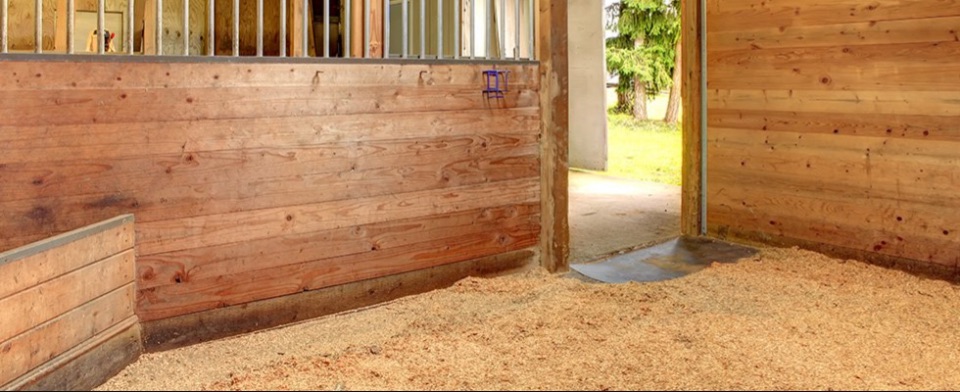
Quiet and away from excessive activity Clean with soft bedding such as shavings or straw Spacious enough for your horse to stretch out comfortably
Remember, older or nervous horses may take longer to feel secure enough to lie down. Patience and a calm routine are key.
2. Maintain a Consistent Routine
Horses are creatures of habit. A consistent evening routine can help signal that it’s time to relax:
Feed at roughly the same time each evening Ensure turnout or paddock access is predictable Minimize loud noises or sudden activity near their resting area
Bear in mind your routine can include certain items that make a horse feel more at home if they travel to competitions – I have one lovely dressage client whose horse has a set if cuddly teddy bears that hang in his stall for just this reason – they can be moved with him if an over night stay is required and he can feel at least a little ‘at home’
3. Encourage a Relaxed Body
Tension in muscles can prevent your horse from fully relaxing.
Gentle bodywork or light stretching before rest can make a real difference:
Massage key tension areas: neck, shoulders, and back
Encourage stretching exercises during warm-down or turnout
Calm breathing and low-light environments help signal rest
4. Allow for Social Comfort
Horses are herd animals, and many sleep better when they can see, hear, or smell a companion. If possible:
Keep them with a trusted herd mate or nearby familiar horse
Consider partial visual contact if space or resources limit full companionship
Make the bed too! Clean bedding and a deep enough underlay to be soft and safe are a vital part of the routine.
5. Monitor Light and Nighttime Conditions
Horses are naturally diurnal, and light affects melatonin production, which helps regulate sleep.
Dim lights in the stall in the evening
Reduce sudden bright lights at night
Ensure there’s enough ventilation without drafts — comfort matters
6. Observe Lying Behavior
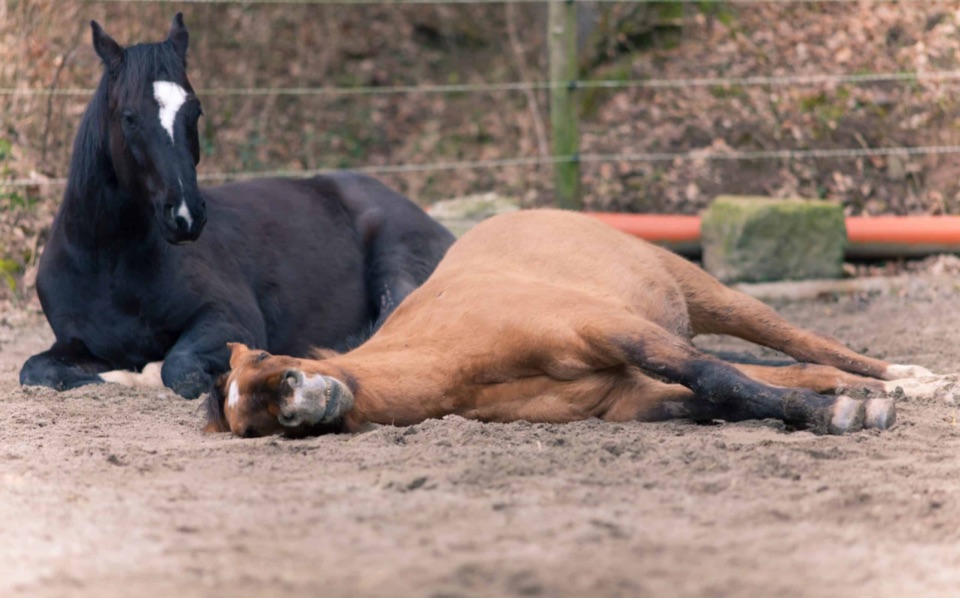
Horses need to lie down for REM sleep, which typically lasts only a few minutes at a time but is essential.
Watch for:
Flank and side lying in safe areas
Stretching out fully on soft bedding
Alternating between standing rest and lying rest
Some horses, especially older or nervous individuals, may need more time to achieve REM sleep safely.
Never force a horse to lie down, but encourage conditions where they feel comfortable doing so.
Conclusion
Quality sleep is fundamental for your horse’s health, performance, and emotional wellbeing.
By providing a safe, calm environment, consistent routine, gentle bodywork, and social support, you can help your horse achieve the REM sleep they need.
A rested horse is a happy, healthy, and more responsive partner, ready to perform at their best while staying mentally balanced.
 Happy Healthy Horses