This is a frequent treatment used on the Equine patient. This technique is used for restoration of normal muscle tone. Muscle spasm identified during palpation can be effectively reduced by applying this technique.
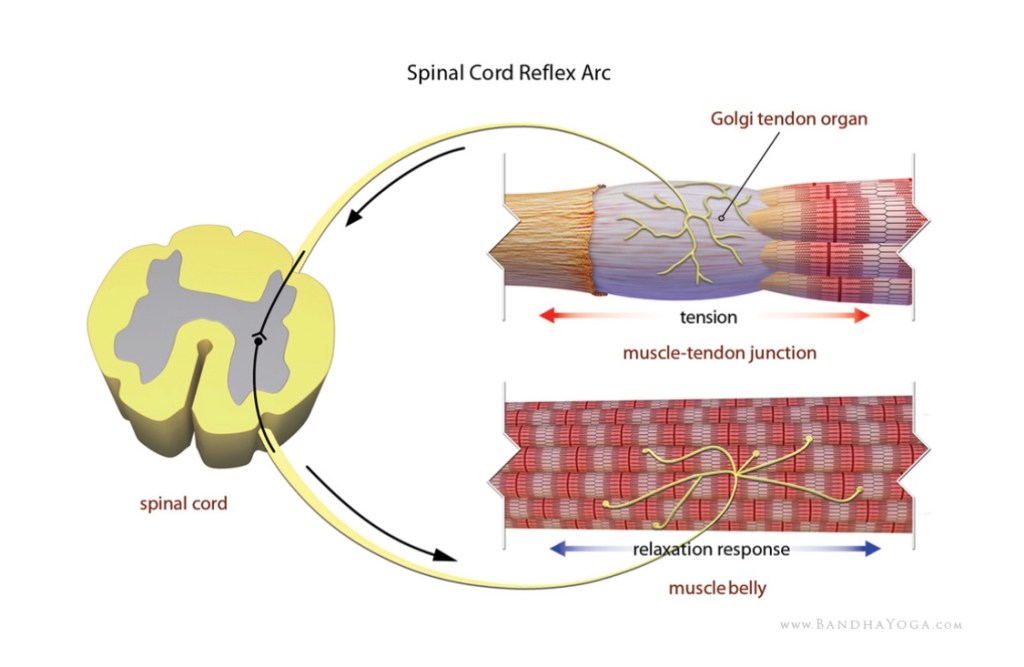
It works by stimulation of the golgi tendon organ of the agonist muscle via a specific movement performed by the physiotherapist. This produces in an involuntary contraction of the muscle, initiating an involuntary relaxation of the opposing antagonist muscle and therefore reducing muscle tone back to resting length.
Using manual stimulation a therapist can use a muscle’s own energy in the form of gentle isometric contractions to relax and lengthen the muscle via autogenic or reciprocal inhibition responses natural in the body. In place of static stretching in which the therapist moves the body of the horse, in muscular energetics, the horse (dog, cat or human) is an active partner.
Using the concepts of autogenic inhibition and reciprocal inhibition, skeletal muscles can be encouraged to change within their natural range and tensions within muscle fibres can be released where possible.
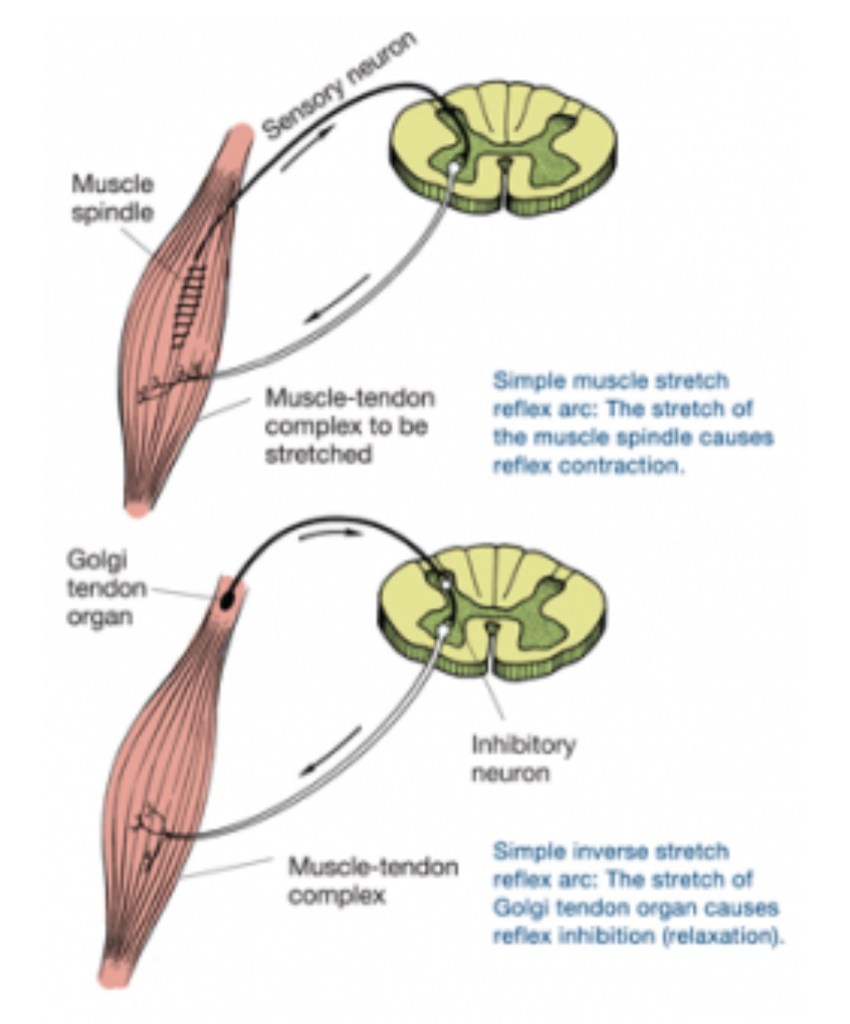
Autogenic inhibition is also known in the literature as inverse myotatic reflex and refers to the reduction in excitability of a contracted or stretched muscle. Formerly entirely attributed to the increased inhibitory input arising from the golgi tendon organs.
Autogenic and reciprocal inhibition both occur when certain muscles are inhibited from contracting due to the action of the golgi tendon organ (GTO) and the muscle spindles. Two musculotendonous receptors located in and around tendon attachments to bones, respond to change in muscle tension and length resulting in regulation and aiming to prevent over contraction and damage to the tendon or muscle itself.
The GTO is located between the muscle belly and tendon and recognises and responds to the tension changes when the muscle contracts or stretches. When the muscle contracts, the GTO responds by inhibition of the contraction to prevent damage. This inhibition response is known as reflex inhibition. The GTO also controls the opposing muscle group known in literature as antagonist. In order to smoothly alter the contraction of one muscle, it’s antagonist is stimulated to begin contracting, taking the strain from the original contracting muscle and resulting in it relaxing. This process is autogenic inhibition. The GTO in each musculotendinous connection regulates this through sensory and motor neurons to and from the central nervous system.
Reciprocal inhibition is controlled through the GTO responses to movement and pressure
The GTO response plays an essential role in flexibility. When the GTO inhibits the agonist muscles contraction and allows the antagonist muscle to contract more readily, the muscle can be stretched further and longer. Autogenic inhibition is often seen during long, slow, gentle static stretching. The keys to initiating this response are low-force and long-duration. With an animal, this can mean repeated placement but always just at the extent of stretch the animal offers so that it remains low-force. The use of balance pads or ground raising can offer low force alternatives to some muscles. It requires only 7-10 seconds for the GTO to activate causing the muscle spindle in the stretch to be inhibited temporarily making it possible to stretch the muscle a little further or to sustain the stretch if at the extent of an injured muscle.
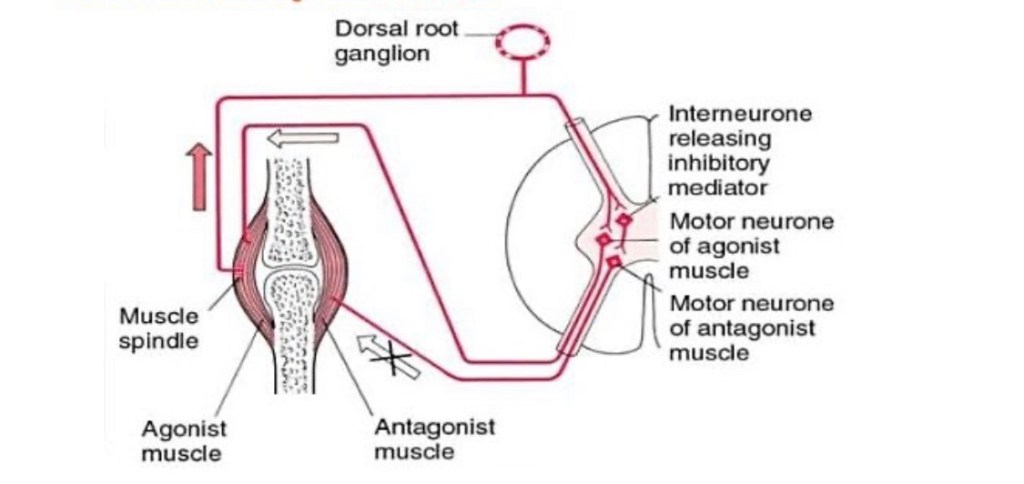
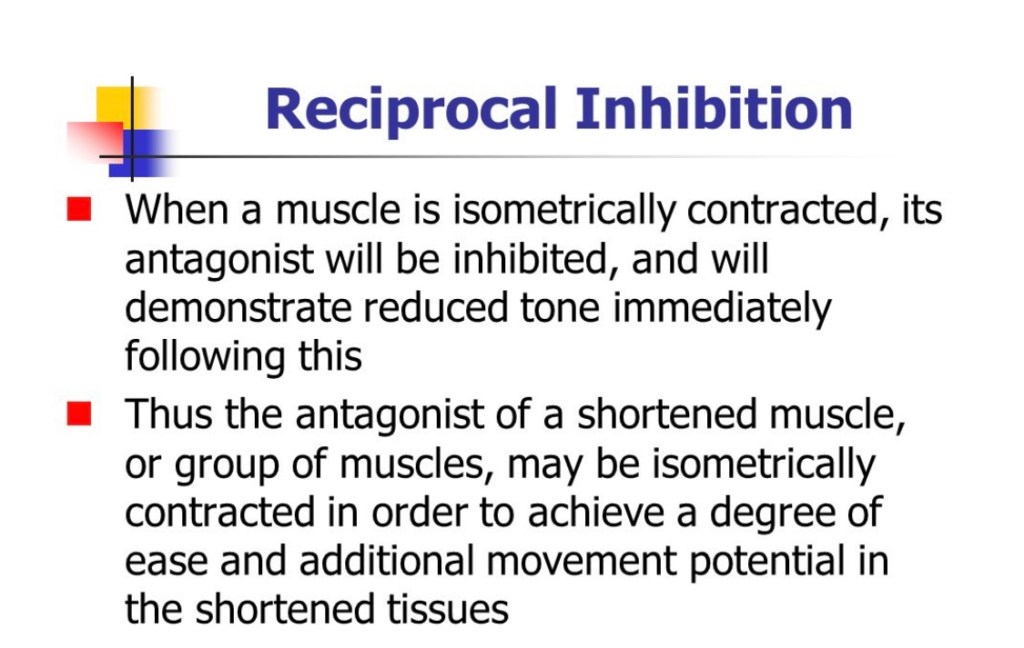
The muscle spindle is part of the muscle stretch and contraction apparatus and, located in the muscle belly, it stretches with the muscle. When this occurs the spindle is activated and causes a reflex contraction in the agonist muscle and corresponding reflexive relaxation in the antagonist muscle. This process is called reciprocal inhibition and is a useful tool in creating relaxation in triggered muscles that have become habitually contracted.
Reciprocal inhibition represented
Post isometric relaxation (PIR) is a technique developed by Karel Lewitt. PIR is created using the effect in the decrease in tone of a muscle or group of skeletal muscles after a brief period of maximal isometric contraction of the same group. PIR relies on autogenic inhibition.
Hypertonic muscle is taken to the first point where resistance is noted.
A submaximal (10-20%) contraction is performed with the therapist creating resistance and maintained for 5-10 seconds. Human patients are asked to inhale during this which can be a tough instruction for horses! So breathe in yourself, holding your breath and rely on mirror neurons to do their work! Breathe out and release, creating a stretch in the contracted muscle. The stretch should go a little further than before.
Repeat with the new stretch in mind afterwards.
Consider which exercises and stretches you do which either use or could use reciprocal inhibition. In 500-1000 words describe what your understanding is of the processes mentioned in the article are and how you can adapt exercises and stretches with a horse to activate and relax 4 different muscle groups.
As horse owners, we aim to provide the best welfare for our horses, but, what is good horse welfare? And, how can you determine or measure if a domestic horse has good or bad welfare?
These and many other questions have kept animal welfare scientists busy for many decades.
Since the 1990s, science has greatly improved our knowledge of animal welfare. We now know much more about the unpleasant and pleasant mental experiences animals can have and how they affect their welfare. This knowledge has led to the development of new tools that allow a thorough assessment of animal welfare. Such assessments are a regular part of welfare management and are aimed at improving the practical care of animals.
Guided by the well-known ‘Five Freedoms’ the early welfare focus was on preventing animals from having negative experiences. However, we now also know that animals are able to have positive experiences (e.g. pleasurable tastes whilst eating, physical comfort, enjoyable companionship, excited playfulness), which enhance their quality of life.
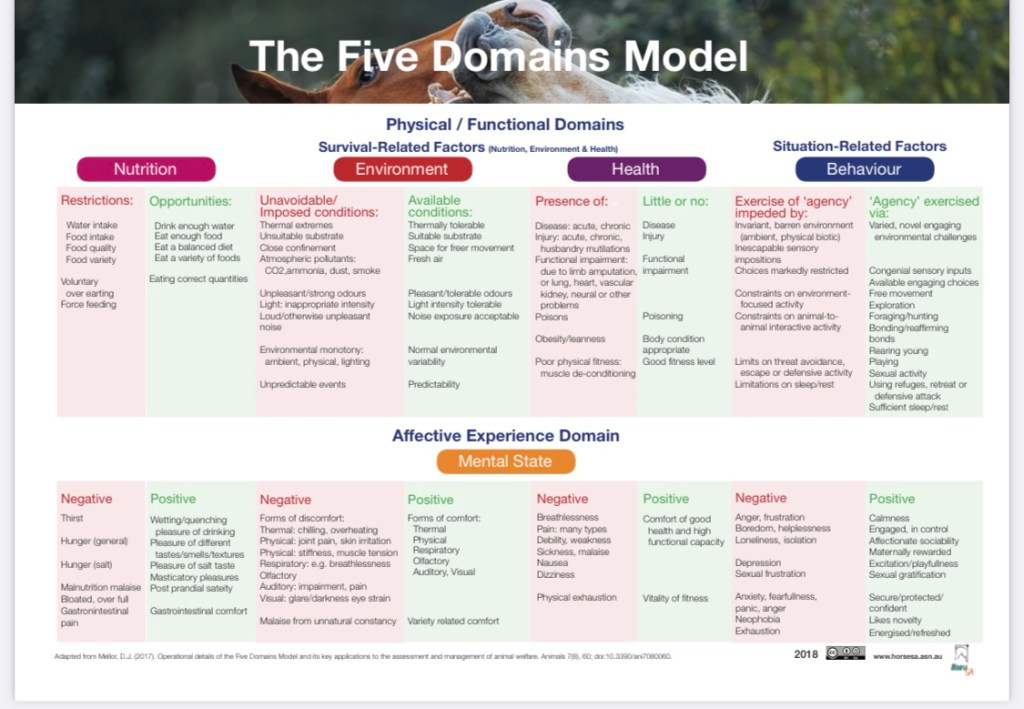
The Five Freedoms concept is nowadays an inadequate tool for assessing animal welfare due to some key points. Firstly, the Five Freedoms concept does not refer specifically to positive experiences. Secondly, it disregards the role some negative experiences have in keeping animals alive. Thirdly, it refers to only a small proportion of the mental experiences animals can have. An alternative to the Five Freedoms is therefore needed. Dr Mellor has developed a model now named the five domains as a more appropriate framework for looking at animal welfare and this model can be applied to how we care for our horses as much as how wild, agricultural or zoo animals are cared for.
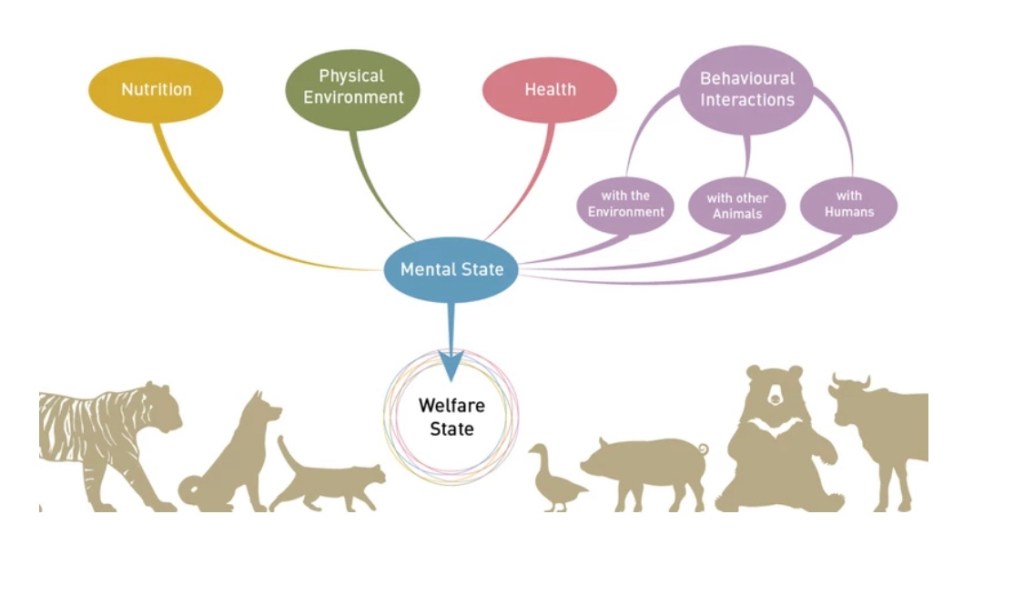
The Five Domains Model is a modern tool, designed by Professor Emeritus David Mellor for guiding systematic and thorough assessments of animal welfare states. The Model incorporates the understanding that mental experiences, be they negative or positive, are a reflection of an animal’s internal states (e.g. hunger leading to feed intake; vitality stimulating play behaviour) or external circumstances (e.g. threat from attack leading to fear; presence of conspecifics leading to pleasures of being bonded). The Model therefore focusses on identifying the internal and external conditions that give rise to mental experiences. The sum of all mental experiences represents the welfare status of an animal at a given time.
The aim is to keep negative experiences as mild and as few as possible and to enable animals to also have positive experiences, with the goal of achieving an overall positive quality of life balance.
After all isn’t that what we all want for our beloved equine partners?
Prof. Mellor has served on numerous national and international animal welfare advisory committees and has wide experience of integrating scientific, veterinary, industry, consumer, animal welfare, legal, cultural and ethical interests while developing animal welfare standards, regulations and laws.
Although officially retired, Prof. Mellor has taken a keen interest in sport horse welfare and was invited to assist New Zealand Thoroughbred Racing (NZTR) in developing a new welfare strategy based on the Five Domains Model of Welfare Assessment, a model he developed and is used in many areas, from farming to zoos.
The General Welfare Aims are a practical translation of the Five Domains of the Model, namely:
1) ‘Nutrition’,
2) ‘Physical Environment’,
3) ‘Health’,
4) ‘Behavioural Interactions’
5) ‘Mental State’.
Affects resulting from the first three functional domains lead to animals performing behaviours aimed at restoring internal stability and are referred to as ‘survival-critical affects’. The fourth domain is concerned with the conscious actions animals perform in pursuit of specific goals in relation to the environment, other animals and humans, generating ‘situation-related affects’. The totality of generated affects from the first four domains – assigned to the fifth domain – represent the animal’s subjective experience of wellbeing.
In order to comprehensively assess the welfare state of an animal under human care, it is important to evaluate the impact of human presence and behaviour on the animal. Handling, training, medical treatments, and caring for an animal are situations where the interaction between humans and animals can lead to either negative or positive mental experiences. The valence of these experiences, i.e. their positive or negative outcomes, will vary depending on, for example: prior contact with humans, preexistence of threatening circumstances, intended or unintended harm, level of bonding with specific humans, provision or denial of access to resources, and participation in common activities of either a pleasant or unpleasant nature.
Horses are sentient – defined in many countries laws as the capacity to have positive and negative experiences that matter to it and affect its welfare, and the five domains model is a very good vehicle for exploring, understanding, managing, and assessing those experiences. Because of this, rules regarding the equipment that can and should be used, the tolerances for exercise, athleticism and control within sports and the conditions in which horses are kept ( bearing in mind their natural choices rather than what we as humans see as pretty or comfy) should be under constant review and rules/laws and frameworks should be applied with a bias towards the individual horse and their own needs and preferences.
Sentience matters because it acknowledges what animal welfare scientists implicitly and explicitly have been thinking for three or four decades.
Accepting sentience in the fields of racing and performance sports formally puts a stake in the ground to say that animals are not merely commodities; they are beings that can often have really negative experiences and, if given the opportunity, can also have really positive experiences.
If you take an animal welfare point of view, the principle would be that it is acceptable to use animals for our purposes with two provisos;
that the purpose is acceptable (which is where the concept of social licence to operate fits in), and,
that the ways the animals are used are humane.
And the humane component may be assessed by using the five domains model. Our equipment (bits, nose bands, shoes, saddles, bridles even blankets and bandage boots ) can all be looked at through the five domains lens.
The acceptability by the wider public of the ways we use animals, aligns with the extent to which the animal’s welfare is compromised or enhanced by what we are doing, (and that any compromise that we can’t get rid of is suitably compensated for by what we are doing). We need to go carefully in our language when describing species specific behaviour in human terms – a horse that exhibits horseness for example isn’t being naughty – just horsey!
The social licence comes from the recognition of the welfare balance and whether or not that use is regarded as acceptable by the wider public.
References;
Mellor DJ. Updating Animal Welfare Thinking: Moving beyond the “Five Freedoms” towards “A Life Worth Living.” Animals. 2016;6(10). doi:10.3390/ani6100059 2. Farm Animal Welfare Council. Second report on priorities for research and development in farm animal welfare. FAWC, Ministry of Agriculture, Fisheries and Food, Tolworth (Now DEFRA, London). 1993. 3. Mellor DJ. Operational details of the five domains model and its key applications to the assessment and management of animal welfare. Animals. 2017;7(8). doi:10.3390/ani7080060 4. Mellor DJ. Moving beyond the “Five freedoms” by Updating the “Five Provisions” and Introducing Aligned “Animal Welfare Aims.” Animals. 2016;6(10). doi:10.3390/ani6100059 5. Mellor DJ, Beausoleil NJ, Littlewood KE, McLean AN, McGreevy PD, Jones B, Wilkins C. The 2020 Five Domains Model: Including Human–Animal Interactions in Assessments of Animal Welfare. Animals. 2020;10(10):1870. doi:10.3390/ani10101870
As weather changes and environmental concerns become a common discussion and area of concern for us all, what is happening to hay and food for our horses and how will winter fodder storage develop in the future?
Haylage and grass hay are popular forage options for horses and ponies, but differences between the two products make them suitable for different groups of horses. Haylage contains at least 50% dry matter and is stored in airtight conditions, while grass hay is preserved for long periods by drying to a much higher dry matter content of at least 85%.
Hay is made in a different way to haylage and it’s nutritional content is consequently quite different.
The grass used to make hay is cut at a much more mature stage so that it already starts off a little drier than haylage. It then gets left on the ground to dry further and is turned over a couple of times to make sure that it dries the whole way through. This helps get its moisture content right down.
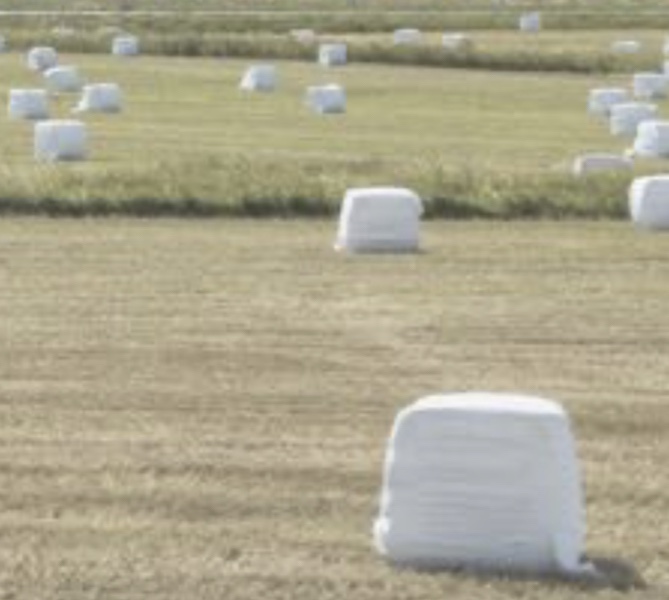
Hay isn’t usually wrapped in plastic so farmers have to make sure that it is as dry as possible, as this is usually the only way it is preserved. Although, some farmers do sell wrapped hay, and it kind of falls in between haylage and hay because it’s more moist than hay but less moist than haylage.
There are actually three different types of hay, namely grass hay, legume hay, and mixed hay. You may hear some people calling grass hay “meadow hay” as it’s usually made from meadow grass. Legume hay, on the other hand, is usually made from red or crimson clover.
Mixed hay is a little different, though, and what it’s made from will usually depend on who is selling it. Some farmers sell mixed hay that’s made from a mixture of different grasses or legumes, and others sell mixed hay that’s a mixture of both grasses and legumes.
Winter is a way away but we horsefolk are already preparing as we make or buy in our winter feed!
In countries where rain is an issue and on farms where places for storing hay are at a premium, hay can be wrapped after it is taken from the field. The way this hay makes over the following months is a little different and it can have a much higher water content. This kind of wrapped hay can offer an excellent alternative to ponies with lower calorie needs due to it being taken from fully developed grass (with a higher indigestible lignin content) and for horses and ponies with pulmonary disease who need a less dusty option.
Haylage can be a good option for horses that need a restricted diet because it increases their time spent eating, which might help reduce their risk of ulcers and stress based behaviours. It is often used for horses in colder climates who need a wetter food to reduce dust and improve breathing.
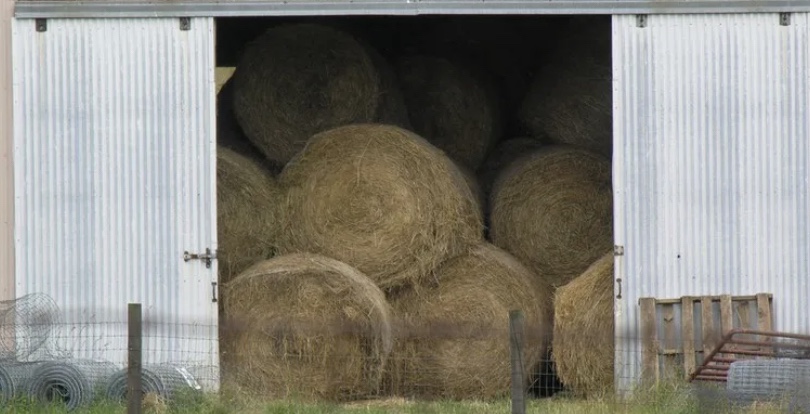
Haylage requires a shorter period of dry weather to make and is wrapped so can be easier to store if a barn or other covering isn’t available to you.
After that, it is only allowed to wilt slightly, and not completely dry out. Then, around 24-48 hours after it gets cut, it gets baled and then wrapped in polythene to be preserved.
The haylage fermentation process seals in good bacteria that use water-soluble carbohydrates to produce lactic acid. This drops the pH levels in the sealed bale so that mould spores are less likely to form.
Haylage is usually made from different types of moist grasses. It is different to wrapped hay, which hay made in the usual way by waiting for it to dry, then wrapping it in plastic to prevent rain from spoiling it. Often slightly moister than hay, wrapped hay can be wrapped a little earlier than unwrapped and can be used where the weather has changes and getting in the crop before it spoils becomes a priority.
There is a difference between haylage grass varieties when made commercially and that which you or your neighbours may make. Haylage has a slower making process than silage which is much faster and wetter but carries more digestive risks than haylage to horses. Silage is often used for cows and sometimes for sheep where the ruminant nature of their digestion makes it a more appropriate and safer choice than for horses.
Haylage can also have higher protein and lower water-soluble carbohydrate (WSC) content than grass hay of the same species, maturity, and harvesting conditions. In many countries the grass used to make haylage is cut earlier than that required for hay.
The plastic wrap ensures seals in haylage’s moisture content and creates an anaerobic environment, which means that no oxygen gets inside. This allows the haylage to ferment, helping to preserve it.
A recent piece of research into the digestive properties of hay and haylage was presented at The Equine Science Society’s conference in the United States, in June this year (2023). The researchers hypothesized that while the digestibility of haylage and grass hay might be similar, horses fed grass hay will have a greater glycemic response than in those fed haylage.
In this study to determine the effects of feeding haylage versus timothy hay in four Thoroughbred geldings over two 28-day periods. The horses were fed timothy-ryegrass haylage during one period and timothy hay during the other. They were fed a forage-only diet at 1.5% of their body weight on a dry matter basis, with the exception of one horse fed at 1% to minimize uneaten hay.
To perform a glycemic response test, the researchers fed the horses 25% of their daily dry matter allotment and took blood every 30 minutes for eight hours. Over the last seven days of each study period, they used fecal collection harnesses to collect feces and calculate the digestibility of each forage.
As expected, the researchers found that the horses took longer to finish their meals when fed haylage. “The horses’ peak blood glucose concentrations were higher when they were fed grass hay, likely due to the greater nonstructural carbohydrate (NSC) concentration in the hay,” reported the study. Grass hay also had greater dry matter digestibility and digestible energy.
The fiber digestibility of haylage was lower than we expected, and the horses developed free fecal water syndrome (a sign of low digestibility) when fed haylage. Fecal water holding capacity and fecal sodium concentration were greater in horses fed haylage, which may have contributed to the development of free fecal water.
What suits a fluffy pony in winter may be very different from the needs of your competition horse so check their hay/haylage needs as you do their grain based feeds!
The tentative suggestions and conclusions from this study seems to be that haylage is a better option for horses who cannot consume a large quantity of hay or require low NSC forage; however, it is important to examine each horse’s individual needs before making changes to their feeding program. However this is not a straightforward set of conclusions…
The difficulty I see with this study is the lack of comparing like for like (timothy grass against rye) and the fact that many people feed meadow grass which has a much greater variety of herbs and grasses within it and can be made as both hay and haylage!
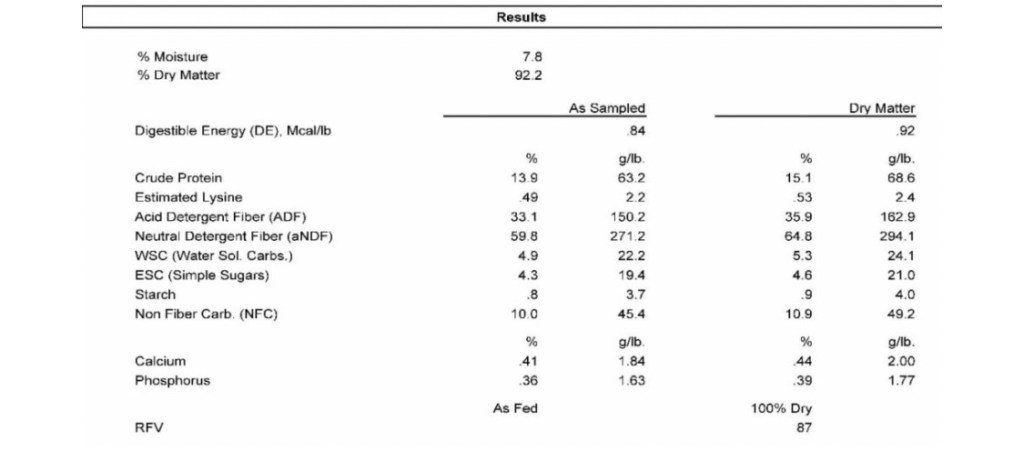
One of the best ways to evaluate your horse’s diet is to know what is in your hay. If you purchase at least two or more months’ worth of hay at a time, or if you make your own winter fodder it can be worth having it analysed each year. The huge changes in weather patterns year to year result in very different growth rates and changing herbs as well as a difference in sugars and protein uptake by the plants. This means even if you are using the same meadows you always have to make your hay, the effects on your horse or pony’s digestion and health can be hugely different year to year.
Common terms in hay and grass analysis and what they mean for your horse
Crude protein (CP) — an estimation of total protein based on the amount of nitrogen in the hay. It does not tell you anything about the amino acid composition or the protein quality. To create a high quality protein, one that will help your horse maintain and repair tissue, combine a grass hay with a lesser amount of a legume. Most grass hay contains 8 to 10% CP whereas legumes (e.g., alfalfa, clover, pea) can range from 17-20%. Grain hays (oat, rye, timothy ) generally have a lower CP than grass hay.
Acid detergent fiber (ADF) and Neutral Detergent fiber (NDF) — both measure fibers (there are 5 types). Since fibers are digested by the microbes living in the hindgut (cecum and large colon), a healthy microbial population is important for your horse to derive calories from fiber. However, there is one type of fiber that is indigestible – lignin. Lignin is increased as the plant matures. The higher these two values, the more lignin the hay contains. This means that your horse is not able to thrive on this hay since much of it ends up in the manure. The ideal ADF is less than 31%; ideal NDF is less than 50%. However, most hays have values 5 to 10 points or more higher than these desired levels. To compensate, more hay needs to be consumed. This can be easily solved by allowing your horse to have free access to hay 24 hours a day. While an active competition or older horse may require a hay with less lignin and greater digestibility, a fat pony or horse on restricted diet due to hormone deficiency or disease may thrive on the late cut summer hay with its higher lignin and lower calorie content.
Non-Structural Carbohydrates (NSC) — the total amount of sugar, starch, and fructan. To obtain %NSC, add together %WSC (water soluble carbohydrates) + %Starch. If your horse needs to have a low sugar/low starch diet, the %NSC should be <13% on a dry matter basis.
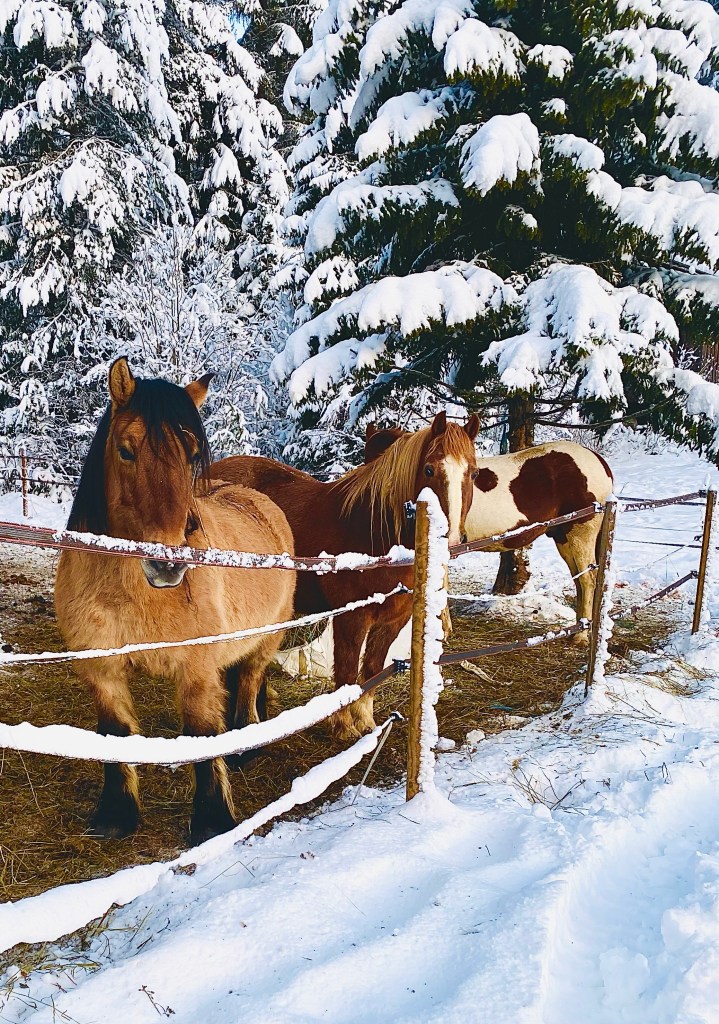
Our horses eat from the same fields both summer and winter – in winter their hay and haylage grasses and the necessary gut bacteria are similar to their summer needs.
Water-soluble carbohydrates (WSC) — measures simple sugars and fructan levels. Simple sugars are digested in the foregut and raise insulin levels. Too much can lead to laminitis because of elevated blood insulin. Fructan, on the other hand, is digested in the hind gut. Too much can result in laminitis caused by endotoxins in the bloodstream.
Ethanol-soluble carbohydrates (ESC) — a subset of WSC and gives you a better idea of the simple sugar level. WSC minus ESC provides a fair measurement of fructan levels.
Starch — normally digested in the foregut down to individual glucose (blood sugar) molecules; therefore, it has a strong elevating effect on blood insulin levels.
ESC + Starch should be less than 11% on a dry matter basis for a horse with equine metabolic syndrome or PPID (Cushing’s).
Minerals
Calcium to phosphorus ratio — There needs to be more calcium than phosphorus in hay. Most hay (except orchardgrass) will have this balance. The ideal ratio is 2:1, but the level of calcium can be even higher and still be considered safe. Phosphorus concentration must never be higher than calcium levels.
Calcium to magnesium ratio — Ideally, calcium content should not be more than twice that of magnesium. Most hays have a magnesium level that is lower than what horses ideally require and that magnesium is not well absorbed.
Iron, Zinc, Copper, and Manganese — Ideal ratios are Iron:Zinc — no more than 5 times more iron than zinc; Copper:Zinc:Manganese — 1:3:3. However, keep in mind that minerals interact with one another, interfering with absorption. Therefore, be conservative when supplementing minerals if your hay is close to these ideal ratios.
Selenium — this is worth analyzing, since selenium has a narrow range of safety. Too little can be just as damaging as too much, so know your hay’s selenium level before you supplement.
Another issue to consider is if you have other animals who share the hay (your family cow or sheep for example), their mineral and calorie needs may be very different. Sheep and horses, for example can share salt but rarely mineral blocks as they have entirely different mineral requirements and some minerals levels, good for one species may be toxic to their grazing companions.
Your fodder doesn’t need to have all the rations in it, but it is helpful to know what to supplement when looking at your analysis.
Making sure that your horses’ teeth are in a good state to begin the digestive process should be part of the feeding considerations.
For foals who fail to wake fully at birth, an innovative veterinary technique could be the answer.
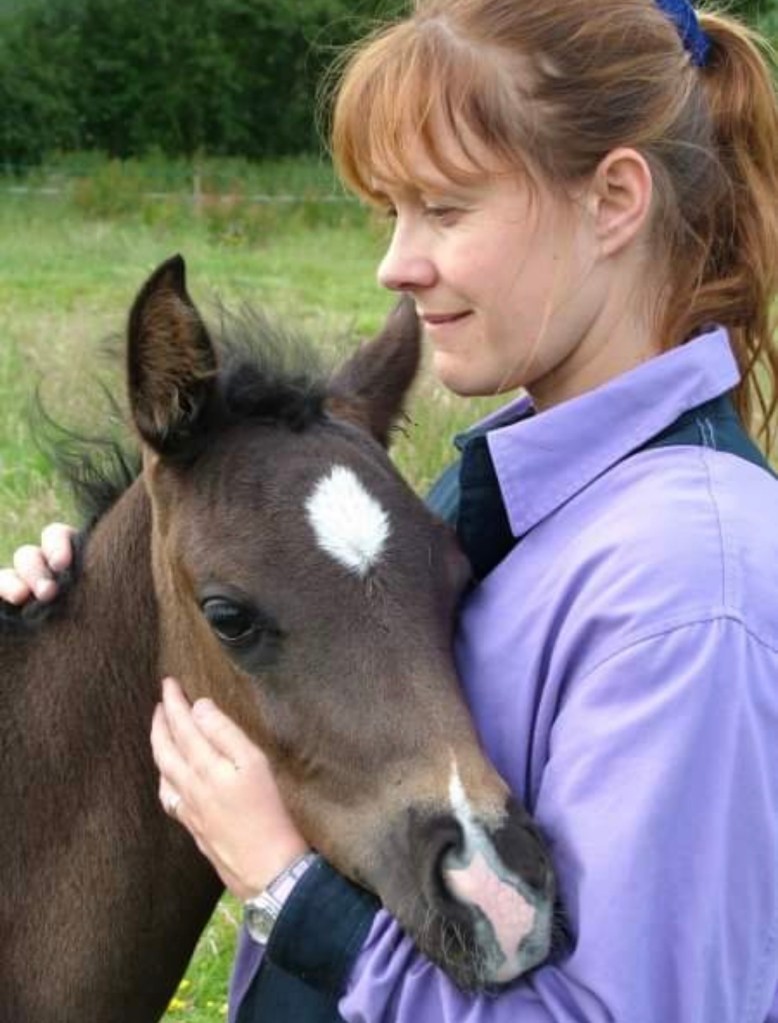
My foal 17 years ago! And still a most precious friend and partner – always will be!
Driving around I am already seeing a good few happy healthy foals running around the fields with their mums. I have passed on the tragic calls for foster mums to orphaned foals and have celebrated with friends their new arrivals as well as begin the process of educating these long legged youngsters in the ways of us strange humans through my foal handling courses. Thinking about foals reminds me of many years on foal watch for stud stables and to relieve friends so they could get a little rest and of the wild ride emotionally that can come with being involved in the creation and early life of these amazing animals.
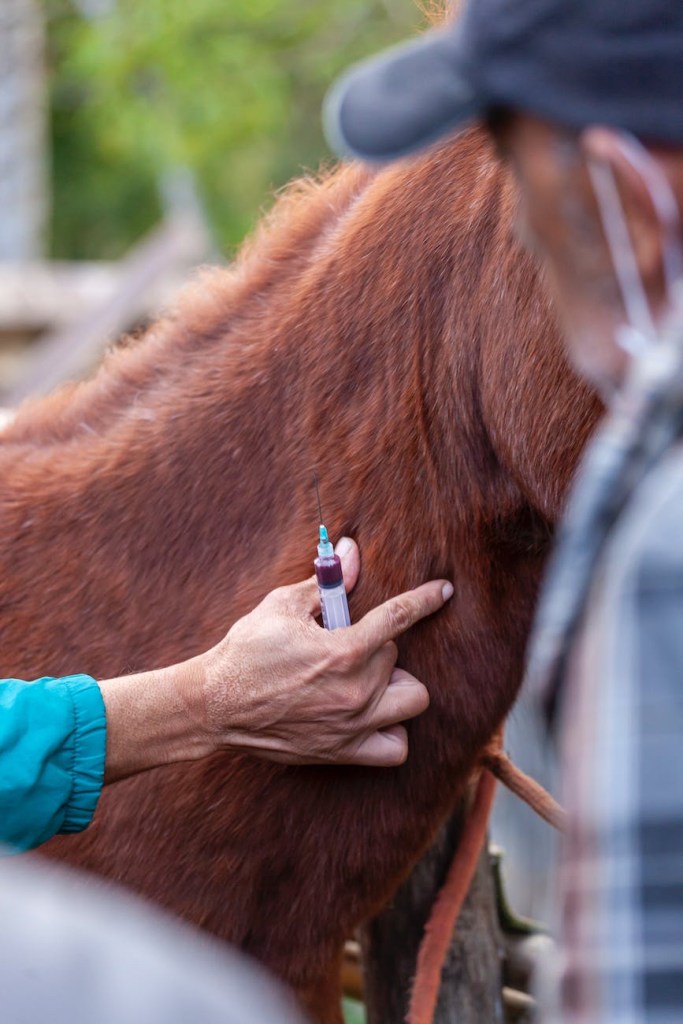
A Facebook friend recently put up some pictures of her ‘dummy foal’ and that reminded me about the veterinary technique that can help some ‘slow to respond’ foals (& calves & lambs) in those very early hours of life…..
The majority of foals born are fit, healthy and ready for the world, but sometimes things aren’t quite right. One condition that can affect a newborn foal is neonatal maladjustment syndrome, also known as being a “dummy foal”. A procedure that can help in this situation is the Madigan squeeze.
Traditionally, oxygen deprivation to the brain is thought to be the reason for this neonatal maladjustment syndrome, resulting in brain damage and inadequate blood supply to the nerve cells. Oxygen deprivation can result from the placenta coming away abruptly from the uterus before foaling, prolonged labour, prematurity, sepsis and swelling of the brain, among other causes.
With so many long term results from lack of proper oxygen and nutrition intake and lack of early movement, quick owner action and veterinary attention are needed
Another, newer consideration is failure of the foal’s mental state to evolve from somnolence within the uterus to consciousness at birth, which normally occurs as the foal travels through the birth canal. The squeezing effect of the canal halts the release of neurosteroids. These keep the foal in a state of unconsciousness in the uterus; if no signal is received to stop their production they continue to be emitted, preventing the foal from becoming fully conscious as he emerges.
Slow to respond
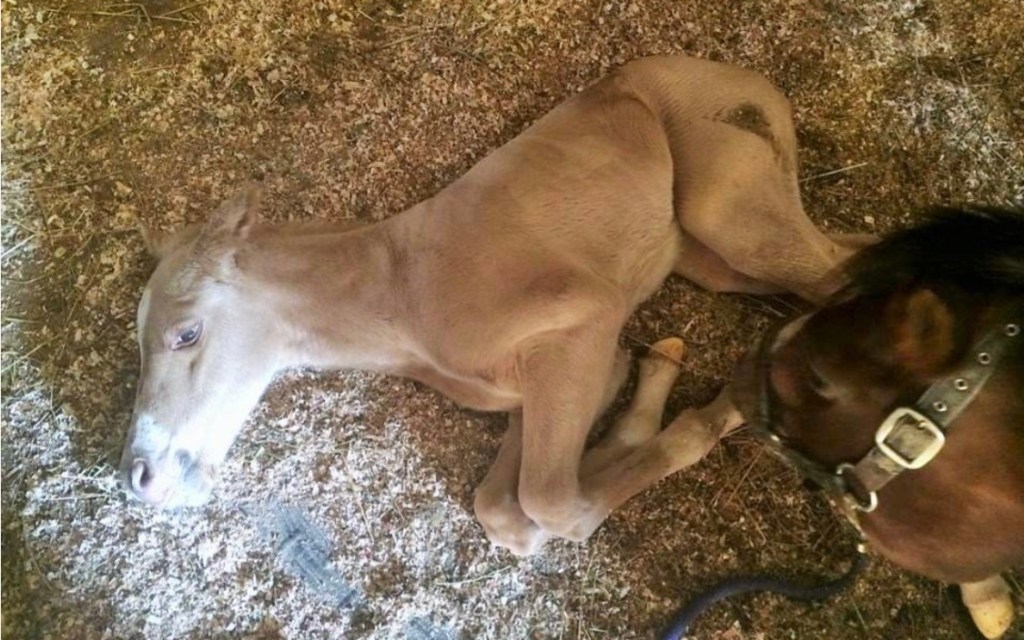
A so called ‘dummy foal’ will often be slow to follow the expected patterns of behaviour, not standing or drinking within the normal time-frame, for example. He may be lethargic and “forget” to lie down or stand up, needing assistance or reminding.
The foal is typically unable to interact fully both with his dam and his environment. When going to feed, he may struggle to locate the udder or fully latch on – this can lead to failure of passive transfer, a process where the foal receives essential antibodies from the mare. If he does not ingest enough colostrum before his gastrointestinal tract stops being able to absorb these large proteins, he is at increased risk of sepsis and other life-threatening illnesses.
In many (but not all) of these foals, the problem is a persistence of a progesterone-like hormone that is in all mammals. The hormone keeps the neonate quiet in the womb. The hormone levels drop during the birthing process, but if the foal comes out too fast, or if for unknown reasons, the progesterone-like hormone persists, the foal becomes what we all call dummies. The same thing happens in all mammals, including humans! For this reason, the technique has been used with success in cows as well and even in sheep and goats.
Failure to spot the signs and initiate treatment can mean that a dummy foal develops a dangerously low body temperature (hypothermia) or blood sugar levels (hypoglycaemia), which can ultimately lead to death.
Foals are born with very little energy storage in the form of fat, so intervention to ensure that the affected foal receives adequate colostrum can be essential. Care must always be taken if bottle-feeding a foal, because aspiration pneumonia can result if any fluid, such as milk, enters the lungs. Due to their often poor suck reflex, dummy foals need to be fed with extra caution.
It is important to seek veterinary advice, as stomach-tubing the colostrum (called råmjölk in Swedish) is often considered safer. An intravenous drip may also be necessary, containing warm fluids, glucose and other neuro-protective agents such as thiamine and vitamin C.
Most foals recover well within one to five days, with correct care and if closely monitored, and begin to behave as expected.
The Madigan squeeze
Invented by Dr Madigan DVM, of the University of California, Davis, the Madigan squeeze technique aimsto help foals suffering from neonatal maladjustment syndrome (often referred to as ‘dummy’ foal syndrome) to recover. The Madigan squeeze is a procedure that attempts to recreate the natural transition to consciousness.
Not only foals receive this kind of help but it can also be used with cows and other farm animals.
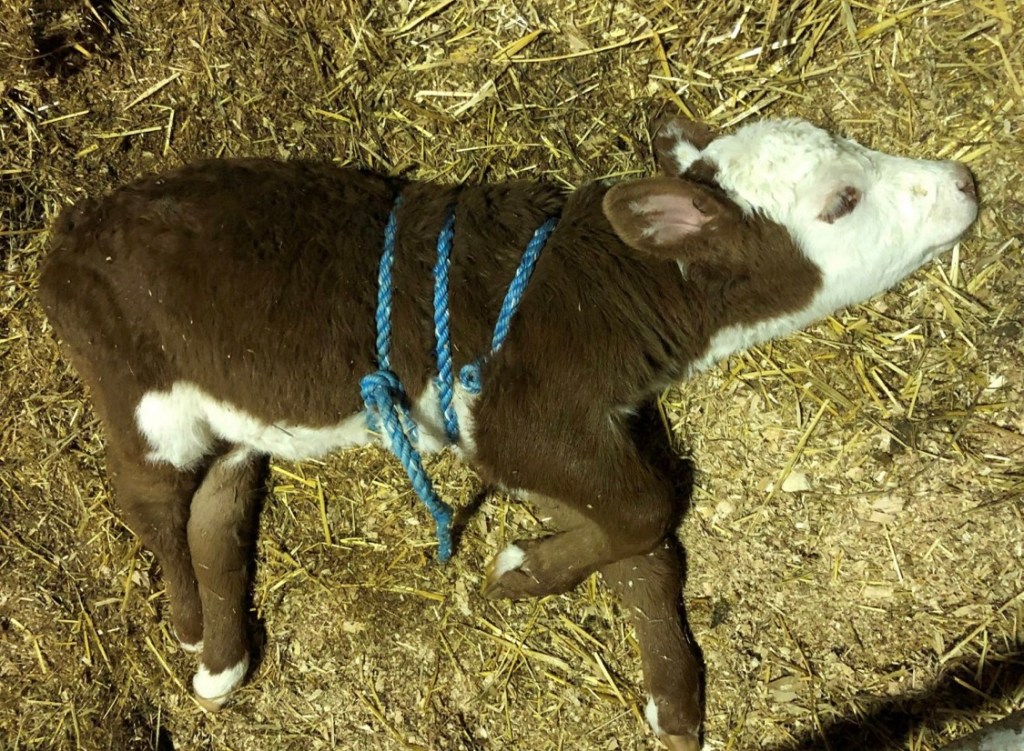
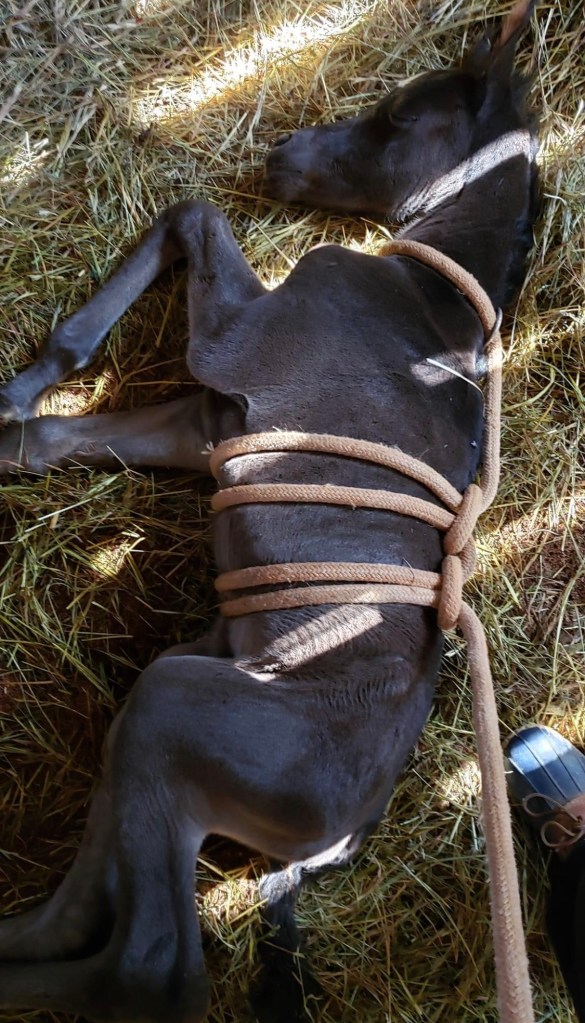
A rope is secured around the foal by looping it around the chest several times. Tension is then applied to mimic the pressures implemented by the birth canal during the foal’s journey from the uterus to the outside world, and at the same time the foal is helped to lie down.
The rope is held for 20 minutes, the duration that the mare would be in second-stage labour. During this time, the foal becomes somnolent and lies asleep within the rope (so don’t panic and do stick with it).
At the point the rope is released, the foal awakens, and, if the procedure has been successful, displays normal consciousness –usually going straight to the dam to drink. With these foals who have responded well to the technique, the prognosis is excellent as the sedative effect from the neurosteroids has been switched off.
The Madigan squeeze will not work on those who have suffered from hypoxic injury to the brain, unfortunately, although (importantly) attempting the method will do no harm. The only caveat is that the foal is first checked carefully for evidence of rib fractures; if injury is detected, it is not safe to squeeze the foal.
Applying the squeeze can not only save a life but give the chance of a quality of life for the foals future
So in thanks for all the animals helped and the foals grown into happy healthy horses, I am celebrating Dr John Madigan today with thanks!
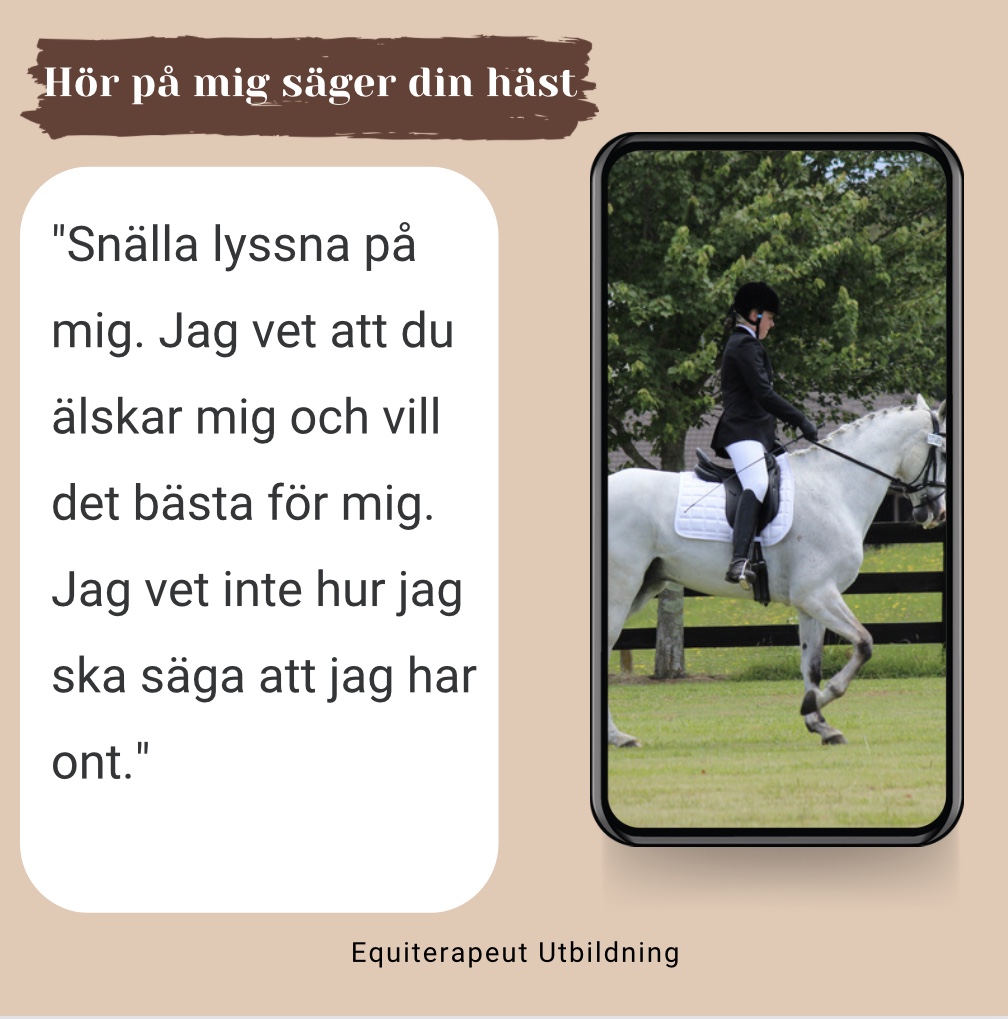
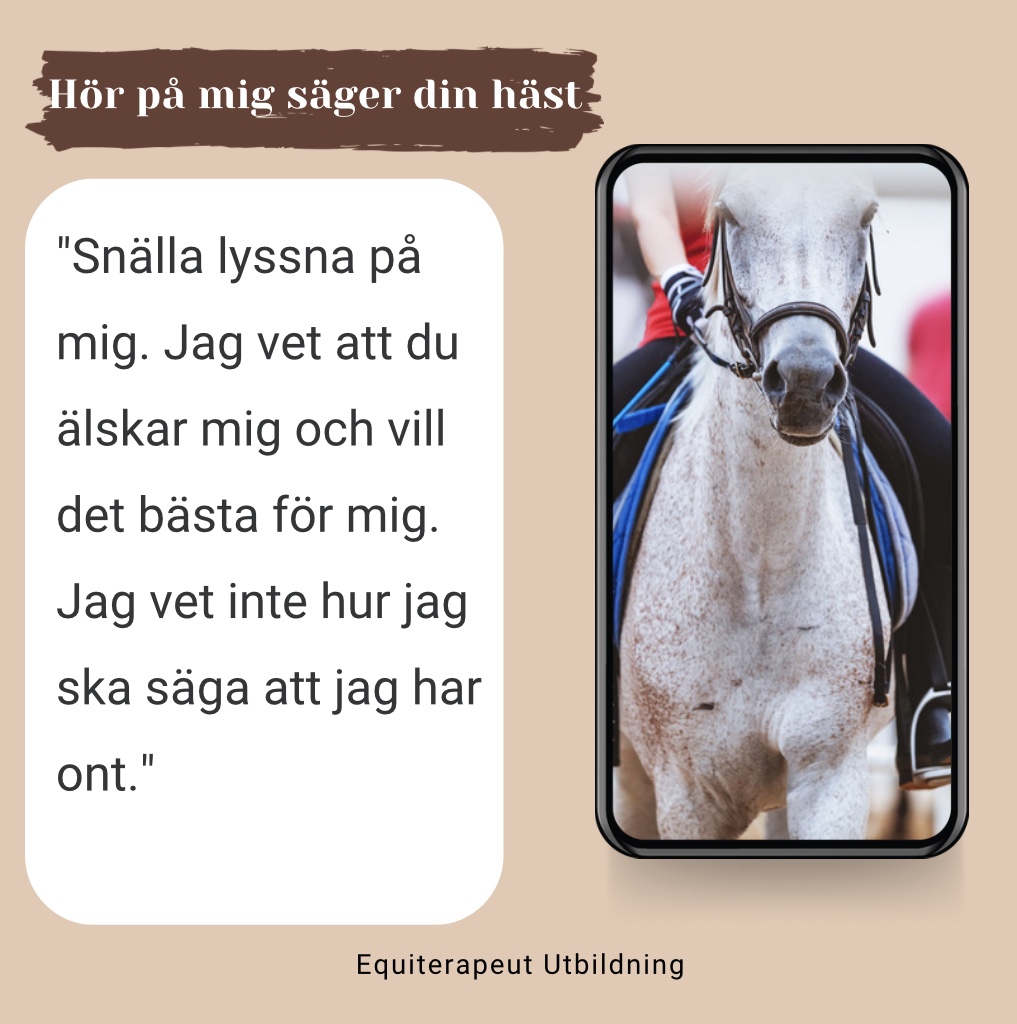
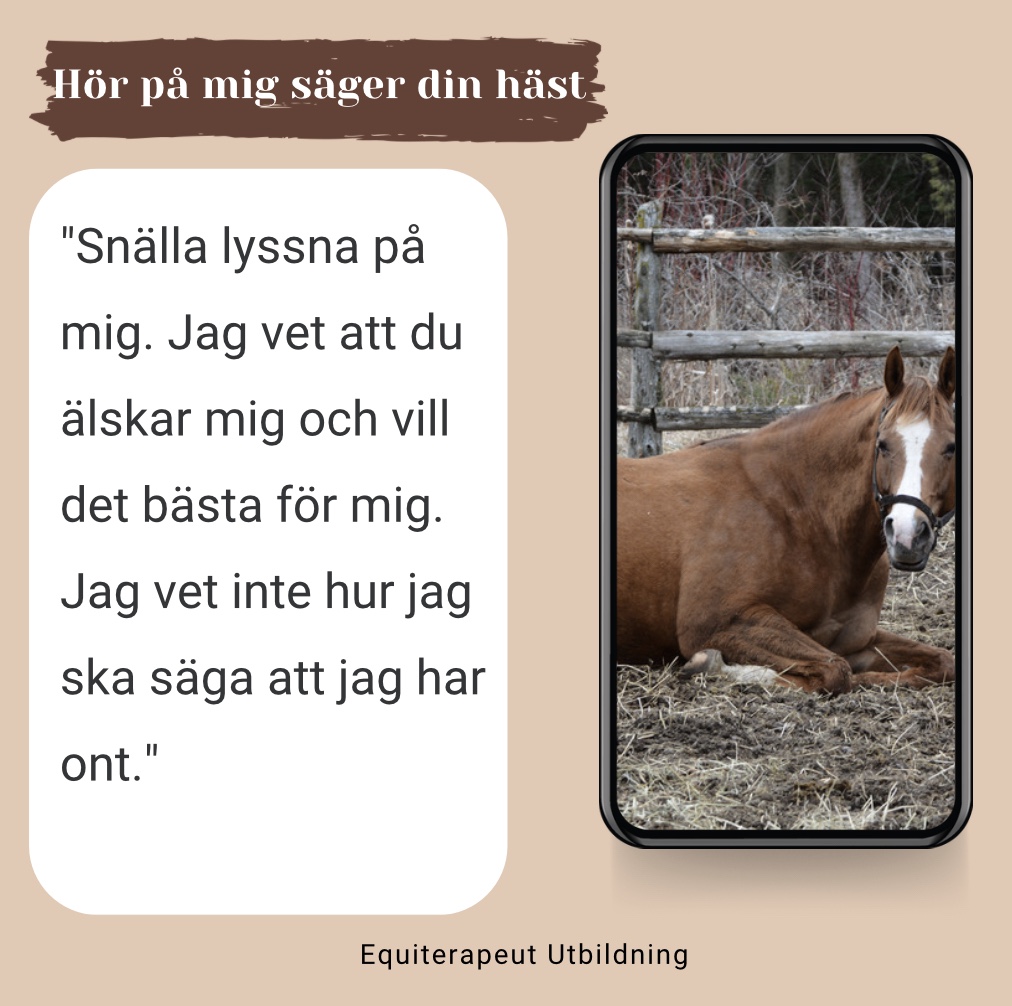
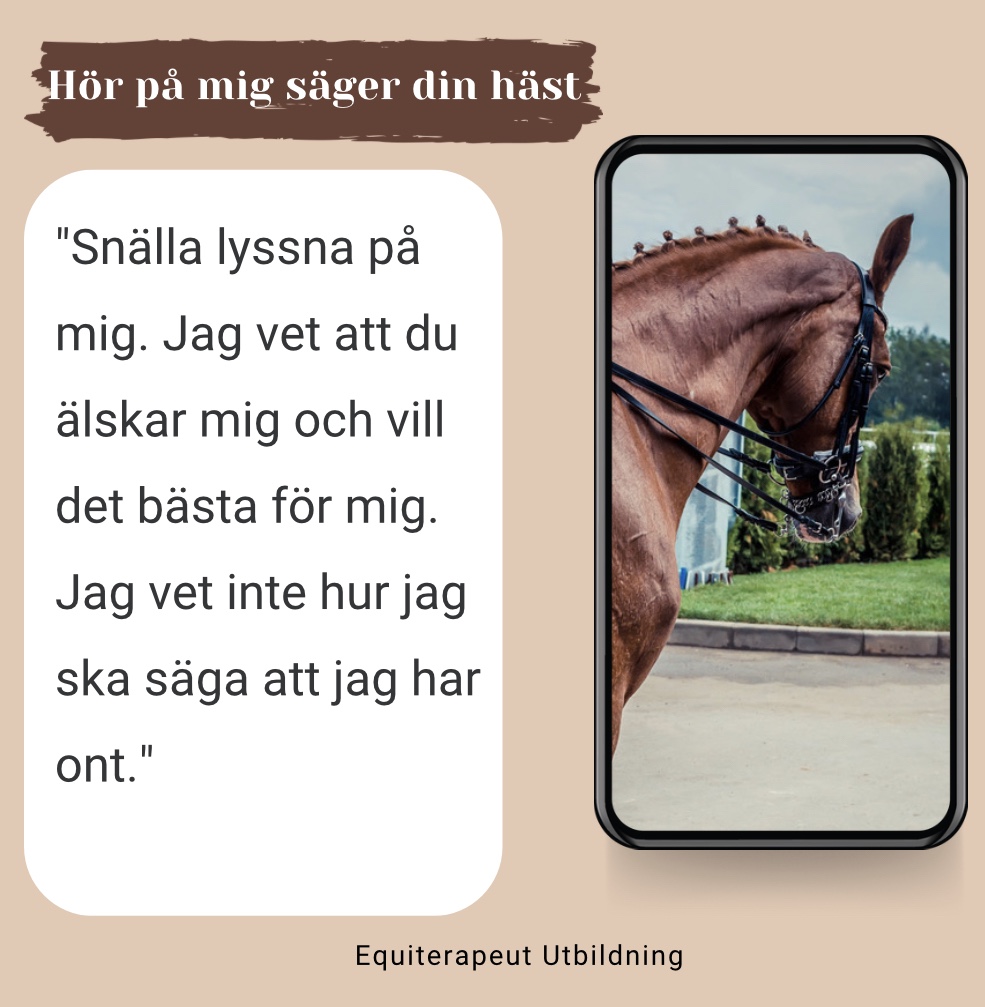
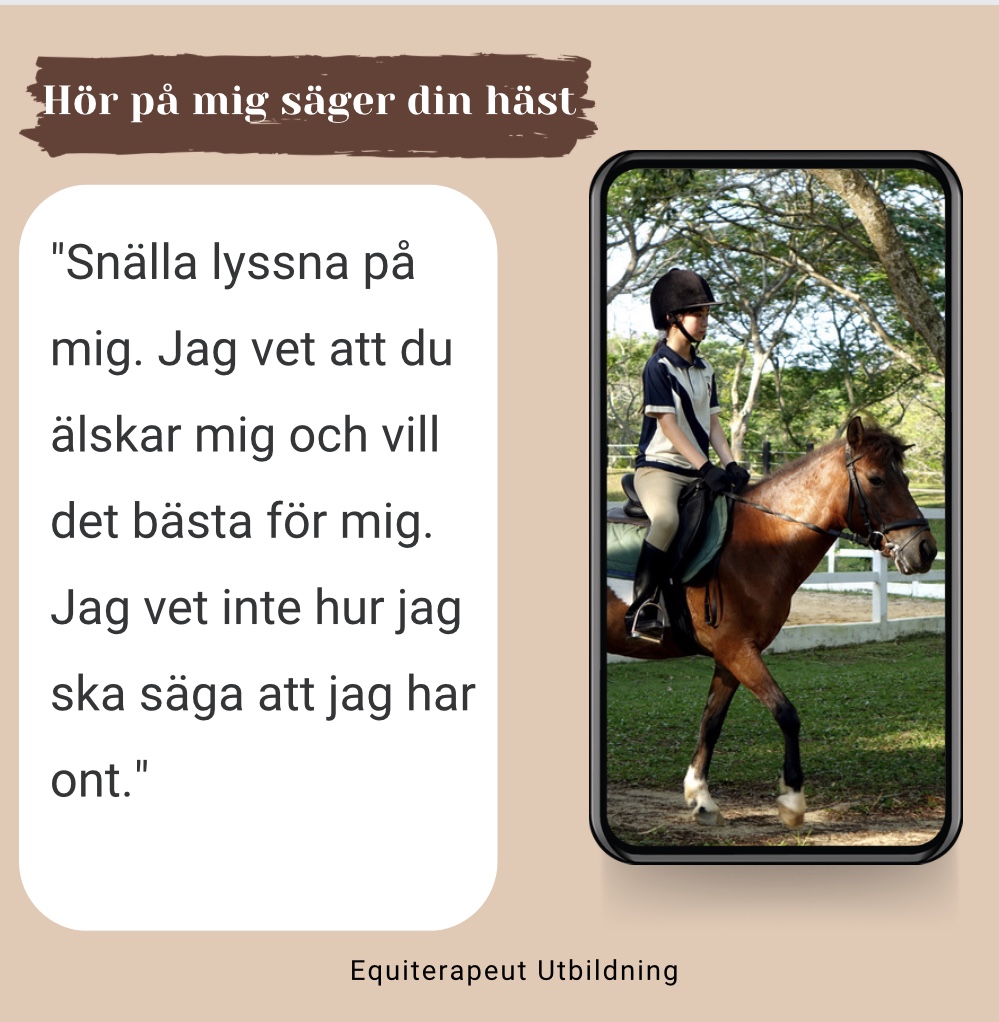
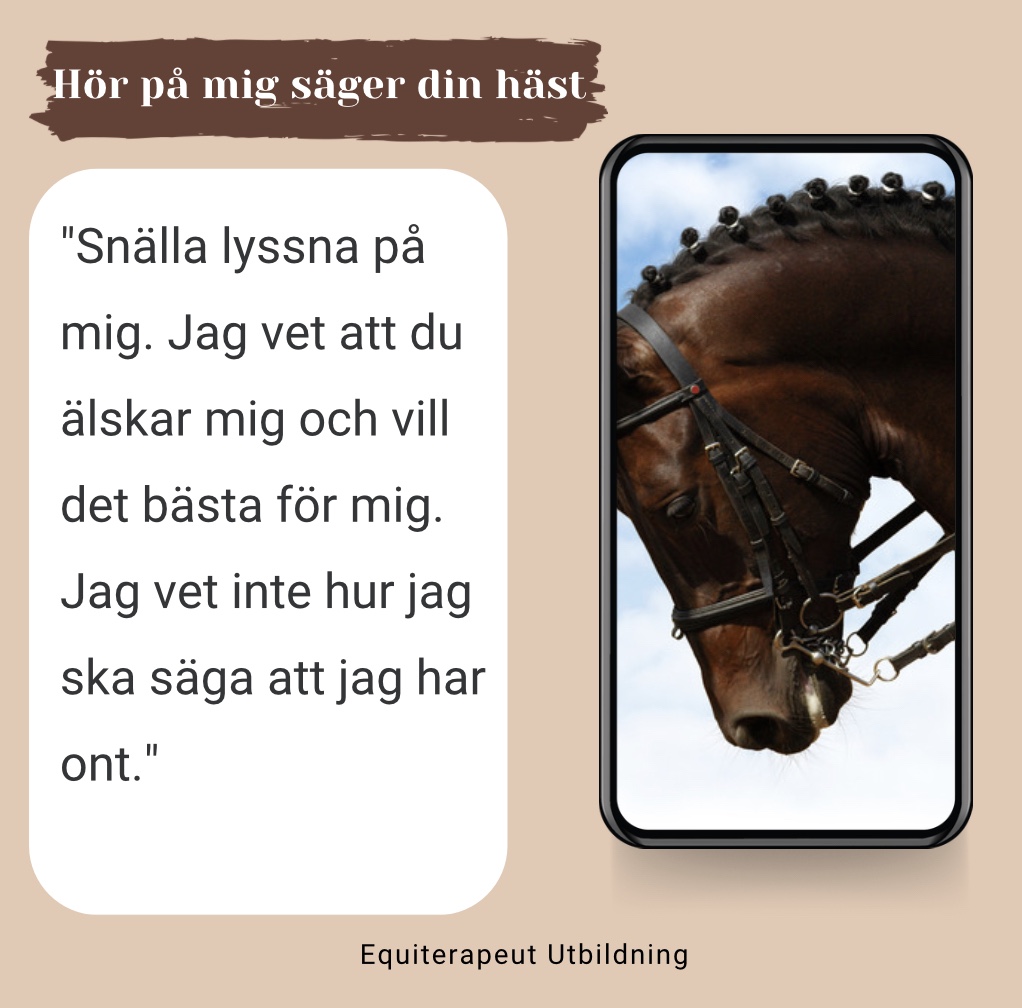
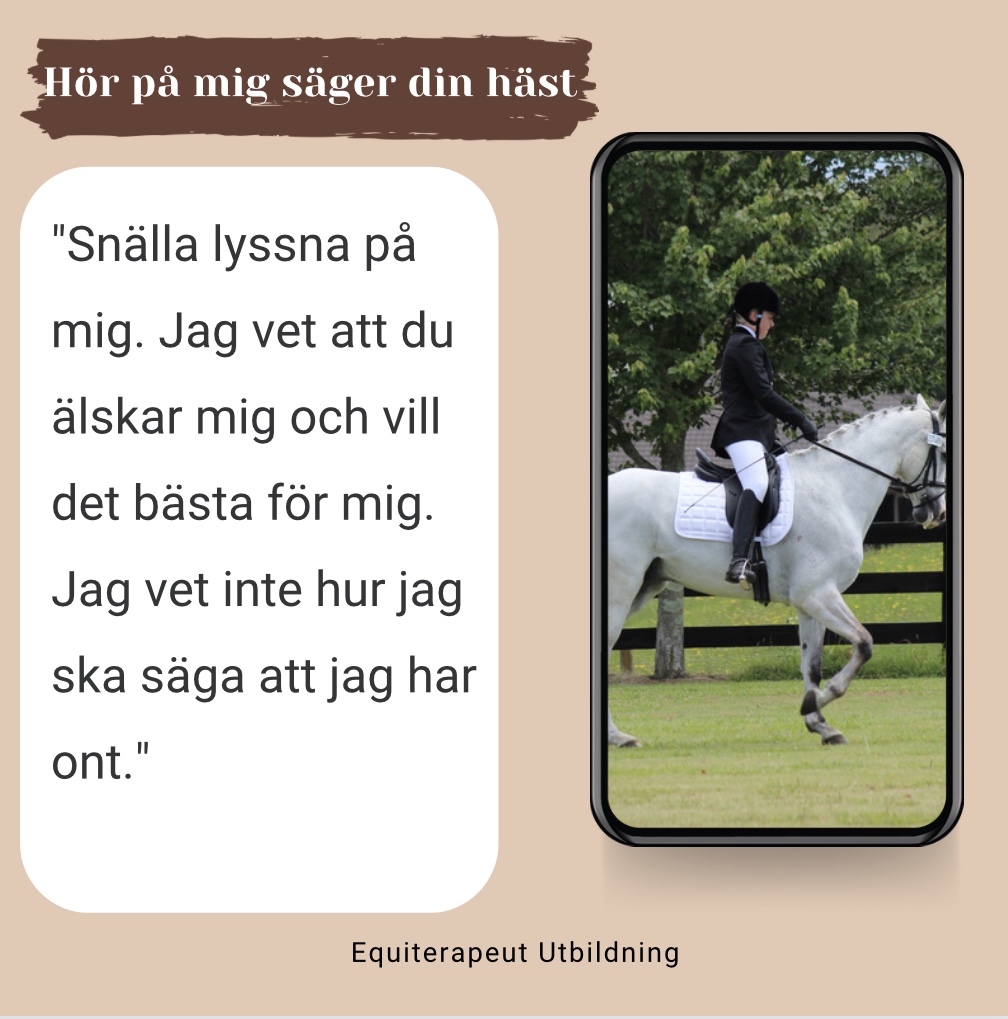
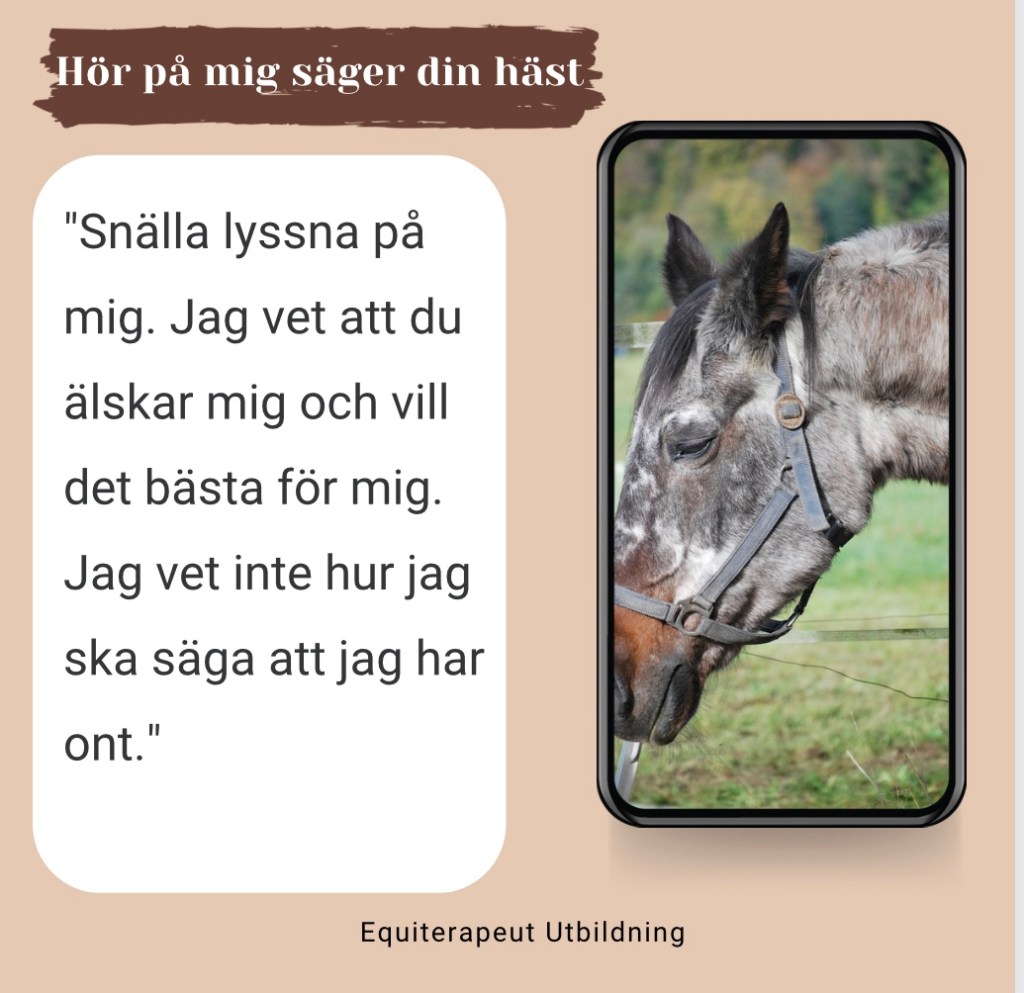
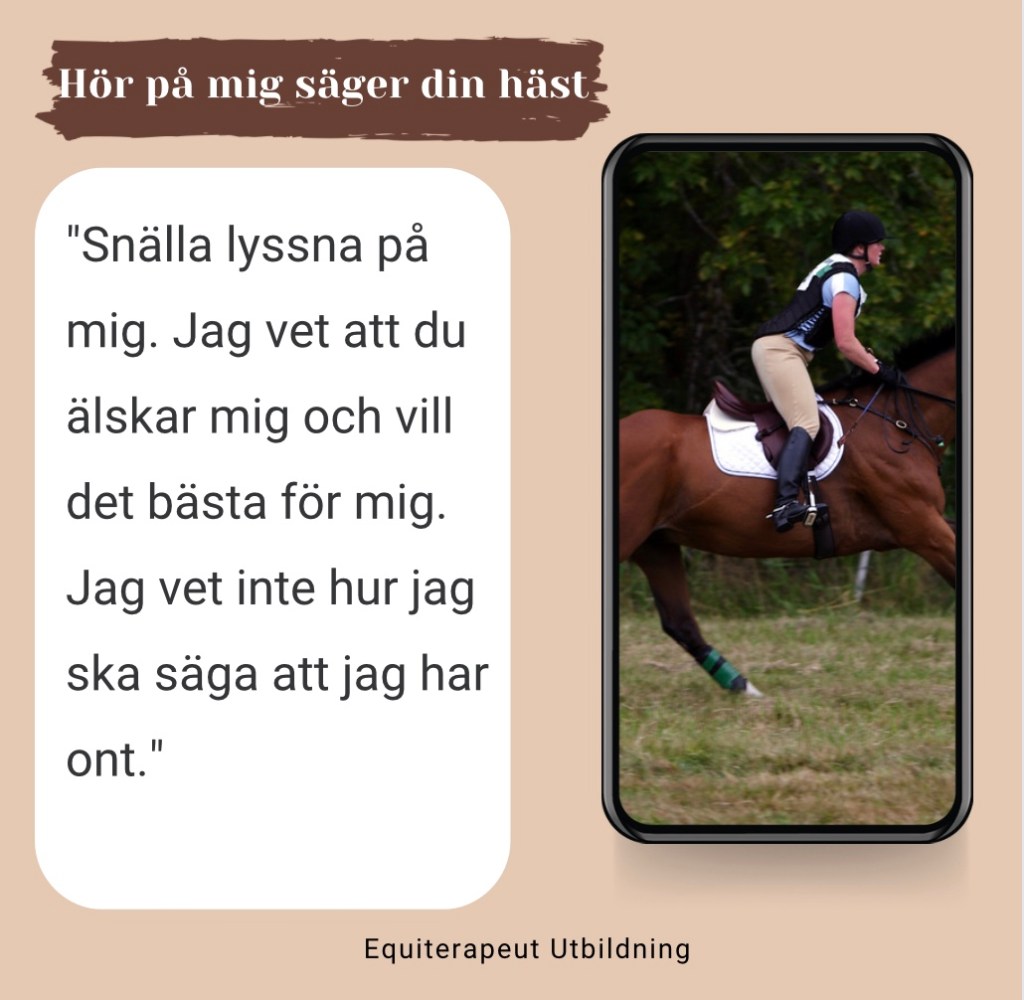
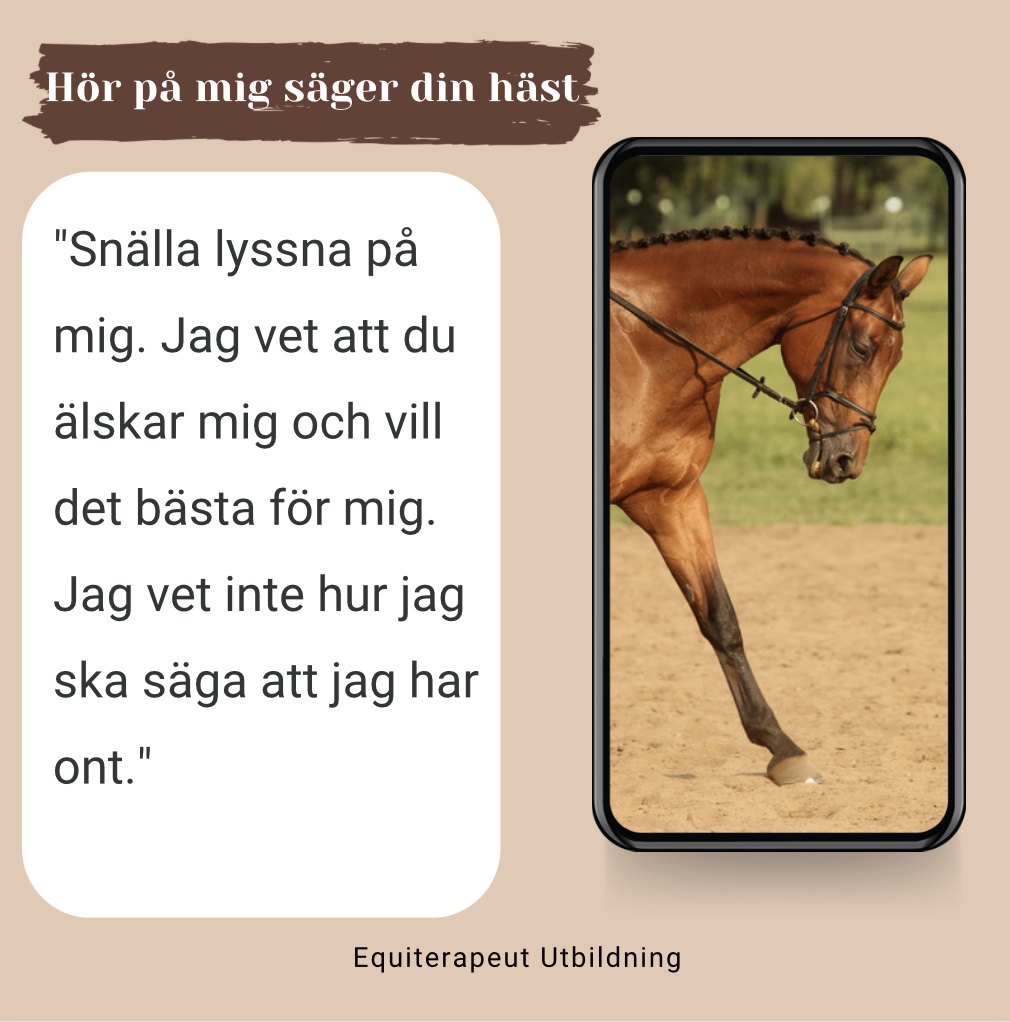
“Snälla lyssna på mig. Jag vet att du älskar mig och vill det bästa för mig. Jag vet inte hur jag ska säga att jag har ont.”
Jag planterar mina fötter, jag snurrar runt, jag skrämmer. Jag försöker säga att jag inte vill lämna gården. Jag är öm och jag vill inte gå ut på ett hack eller trava runt i cirklar. Snälla lyssna på mig. Jag vet att du älskar mig och vill det bästa för mig. Jag vet inte hur jag ska säga att jag har ont.
“Jag vill inte bocka eller avskräcka dig. Det är en skarp smärta varje gång jag går i galopp när du rider mig, och jag kan inte låta bli att reagera på det. Jag förstår det inte, det händer inte om jag galopperar i fält.”
När jag backar och stor på back benen beror det på att jag har slut på andra alternativ. Jag har försökt visa dig att det finns ett problem, men det känns som om du inte har förstått. Varje gång jag har gjort motstånd har du orsakat mig mer smärta och jag har inte haft något annat val än att göra som du säger till mig. De där sporrarna, piskan, de gjorde mer ont än smärtan som jag försökte berätta om, och så jag gjorde som du bad om. Men nu har det blivit för mycket.
Jag är inte lynnig eller sur! Jag lägger tillbaka öronen när du kommer mot mig med sadeln för det gör ont när den ligger på ryggen! Jag hotar att bita dig när du gör omkretsen för jag får skarpt ont i bröstkorgen.
Anledningen till att jag lutar huvudet är inte att du sitter snett, eller att jag är för svag för att försörja mig. Det är för att jag har ont. Du vrider din kropp för att försöka korrigera mig, du trycker mot min sida med benet, du drar i tyglarna, du använder prylar för att tvinga mig att hålla huvudet och nacken i en viss position. Men inget av det tar bort smärtan. Det enda sättet att underlätta det är att luta mitt huvud. Jag försöker göra det du ber mig om, men det är så svårt.
Jag är inte lat. Jag är öm. Jag går långsamt för på det sättet kan jag sätta ner fötterna lite mer försiktigt. De sporrar du använder för att uppmuntra mig att gå snabbare skapar bara mer smärta. De löser inte problemet. Jag vill verkligen vara mer framåt och ha kul, men det är så svårt när jag är obekväm.
Jag vet att jag kastar huvudet upp och ner. Jag önskar att jag inte behövde. Det är något som gör ont i min nacke. Jag kan inte beskriva det, jag vet inte ens var det börjar eller vad som utlöser det. Det är irriterande, och det enda sättet jag kan komma ifrån det verkar vara att kasta huvudet runt.
Jag hörde dig berätta för din vän hur dina axlar värker efter att du har ridit mig. Min mun är öm av hur du har dragit på ena sidan. Har du tänkt på hur jag kan må? Jag önskar att du släppte taget, så att jag kunde hitta min egen balans. Jag lovar dig, om jag kunde försörja mig jämnt på båda tyglarna så skulle jag göra det. Jag väljer inte att luta mig på ena tygeln, men jag verkar inte få min kropp att gå rakt.
När jag lägger tillbaka öronen är det inte för att jag är oförskämd. Jag är inte bara en “vresig gubbe”, eller ett “lynnigt sto”. Jag försöker berätta att något inte står rätt till. Det är en form av kommunikation som vi hästar har använt för evigt, och jag förstår inte varför du slår mig för det.
Få någon att titta på mitt uttryck när du rider på mig. Jag brukade vara ljusögd och entusiastisk. Eftersom min rygg har börjat göra ont så trivs jag inte med mitt arbete. Visst måste det synas i mina ögon? Ibland har jag lättare att ha ögonen halvslutna ett tag, det verkar döva smärtan.
Snälla spänn inte min mun. Jag öppnar den så att jag kan klara av det du ber mig om. Ridt arbete förvärrar min smärta och att öppna munnen ger mig något annat att tänka på. Det måste finnas ett bättre sätt än att bara stänga av min flyktväg.
Jag vet att du är irriterad över att jag hänger ut tungan, men jag kan inte låta bli. För att vara ärlig så vet jag inte ens att jag gör det. Hur kan jag ändra något som jag inte ens är medveten om? Kanske betyder det att något är fel?
Du drar i tyglarna för att försöka hålla mitt huvud i en viss position, men jag tycker att det är väldigt svårt att jobba på det sättet. Det är mycket lättare att hålla balansen om jag sticker ut näsan lite. Jag kan inte se vad problemet är med att göra det. Visst är det bättre att fortsätta och vara bekväm, snarare än att kämpa? Att tappa balansen är inte kul. Kan vi hitta ett bättre sätt att stärka min kropp, det är inte så obehagligt för mig?
Du tycker att det är bra när jag stoppar in näsan i bröstet, men jag gör det bara för att jag inte har något annat alternativ. Det är fruktansvärt obehagligt att hålla på hur länge som helst. Jag kan inte andas ordentligt och det känns som att jag tappar kraften från baksidan. Än mindre värken från mina trötta nackmuskler!
Du har helt rätt, när jag sveper min svans så betyder det att jag inte är glad över något. Du ser inte en glad häst som fortsätter att svaja kraftigt med svansen kontinuerligt. Min svans ska svänga i en rytm med min rörelse. För att svepa min svans så mycket i ett försök att visa dig att något är fel måste jag hålla ryggen ordentligt. Det kan inte vara bekvämt för dig som ryttare. Snälla lyssna på mig. Jag vet att du älskar mig och vill det bästa för mig. Jag vet inte hur jag ska säga att jag har ont.
Jag gör mitt bästa för att fly från smärtan, men det fungerar inte eftersom du håller mig tillbaka. Oavsett hur snabbt jag rör på fötterna i skritt, i trav eller i galopp så finns värken kvar. Jag hade hoppats att med tillräckligt med adrenalin skulle jag inte göra så ont. Men det fungerar inte. Jag vill arbeta lugnt, med ett avslappnat och jämnt steg, men jag kan inte göra det förrän jag är mer bekväm. Snälla lyssna på mig. Jag vet att du älskar mig och vill det bästa för mig. Jag vet inte hur jag ska säga att jag har ont.
Snälla lägg märke till när jag snubblar och snubblar. Jag är så rädd att jag ska skada oss båda. Jag blir äldre. Vissa dagar räcker inte mina fötter upp tillräckligt. Det är som att jag har ont i hela kroppen, och om jag gör stora rörelser gör allt mer ont. Om jag bara fortsätter traska med så klarar jag mig, men då snubblar jag. Jag önskar att jag kände mig ung igen. Men jag vet att jag mår bra när jag rör mig på fältet och jag är fortfarande mitt i min flock
Jag vet vad du ber om när du ber mig att galoppera. Jag vet att du vill att jag ska vara balanserad, och att jag leder med höger fram på höger tygel och vänster fram på vänster tygel. När jag vägrar ta rätt ledning på vänster tygel ibland, är det inte för att jag inte förstår vad du frågar om. Det är inte för att du inte frågar rätt. Det är inte för att du inte är en tillräckligt stark ryttare, eller att du bara behöver vara mer kraftfull, eller så behöver du bara bli bättre. Det är för att jag gör ont om jag tar upp den vänstra ledningen. Det är inte ett problem på höger ledning på höger tygel. Om problemet var du, skulle jag kämpa på båda tyglarna.Jag vet vad du ber om när du ber mig att galoppera. Jag vet att du vill att jag ska vara balanserad, och att jag leder med höger fram på höger tygel och vänster fram på vänster tygel. När jag vägrar ta rätt ledning på vänster tygel ibland, är det inte för att jag inte förstår vad du frågar om. Det är inte för att du inte frågar rätt. Det är inte för att du inte är en tillräckligt stark ryttare, eller att du bara behöver vara mer kraftfull, eller så behöver du bara bli bättre. Det är för att jag gör ont om jag tar upp den vänstra ledningen. Det är inte ett problem på höger ledning på höger tygel. Om problemet var du, skulle jag kämpa på båda tyglarna.
While forelimb lamenesses are fairly common, hind-limb issues can be less obvious and even underdiagnosed. Learn about the common causes of lameness in the back legs and hind quarters.
Hind end lamenesses can plague both performance and hobby horses alike, putting the brakes on life until they are resolved
One of the signs of any lameness or discomfort in the movement of a horse is a seemingly unlevel movement- the nod of a head or a sound difference in hoofs as they land. What exactly does a hind-limb lameness look like? Front end lamenesses are often easier to detect as we can focus on the head in walk and trot. A head bob, or a dramatic raising of the head when the lame leg bears weight, is a telltale sign of forelimb lameness, as the horse tries to use the fulcrum of his head and neck to take the weight away from the sore limb
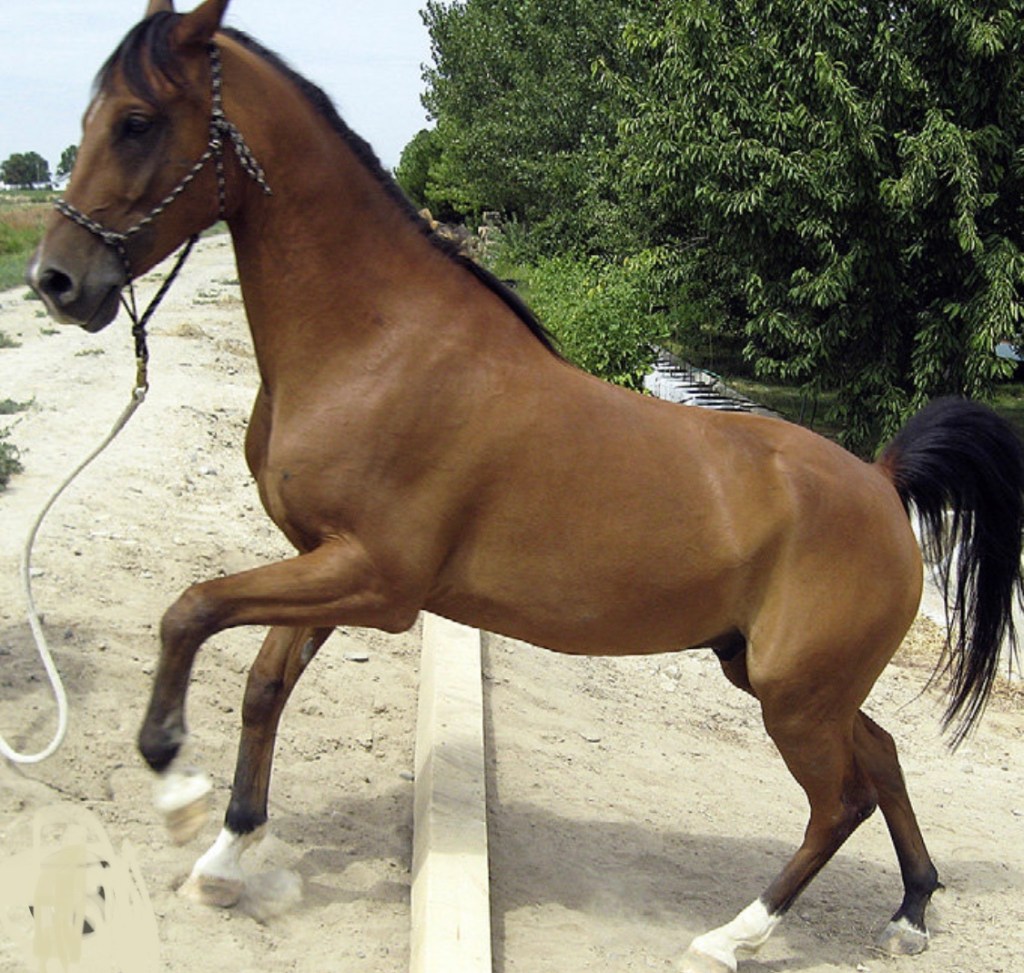
Excessive hip movement or “hip hikes,” an unwillingness to bring a leg forward, toe dragging, and a “bunny hopping” canter are just a few routine signs of hind-end lameness. No two horses show hind end problems in exactly the same way.
Before choosing an imaging method, veterinarians usually perform diagnostic analgesia (joint blocking) to isolate lameness to a certain area. Because vets perform most of their equine work on the farm, stallside radiographs (X rays) are the modality of choice for evaluating any bone or joint in this setting. Radiography, however, does not reveal many details about soft tissue. Ultrasound is ideal for evaluating tendons, ligaments, or other soft tissue structures in the field.
Like many problems in the horse‘s movement, there is not usually a quick fix for hind end lamenesses
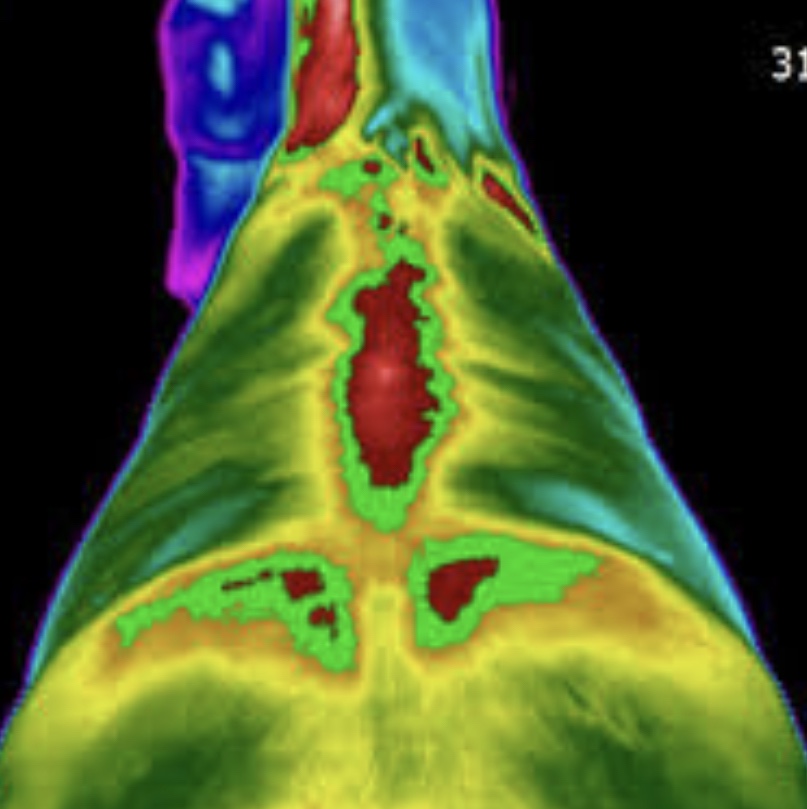
In veterinary Rehabilitation therapy I have used thermography and gait analysis to assist the veterinarian and pressure walkways as well as computer analysed sensors on the feet can also be used.
Thermography with a heat detecting camera is another means for checking lameness as is gait analysis with pressure pads or by taking a film and slowing it right down on gait analysis software.
Veterinary thermography is a growing field of interest for the identification of sites of pain and tension in the horse’s body
More and more veterinarians are recognizing sacroiliac—the area where the spinal column meets the pelvis—pain (often described as SI pain) as a cause of hind-limb discomfort, particularly in performance horses. Common signs of pain in this region include a reluctance to go forward, lack of impulsion, and an uncoordinated “bunny hop” canter, among others.
The sacrum is a section of five fused vertebrae located between the lumbar spine and coccygeal (tail) segment. It is the ‘sacro’ part of the sacroiliac joint. Its widest point, known as the sacrum, connects to the underside of the pelvis, known as the ilium (the ‘iliac’ part of the sacroiliac joint). This connection forms the sacroiliac joint.
Subluxation (misalignment) and osteoarthritis are the main causes of discomfort to the sacroiliac joint.This may be exacerbated by a more pressing source of pain, often pointing lower down the leg to problems in the hock or stifle (knee) of the horse.
Because the SI joint is beneath many centimetres of muscle, imaging the area can be challenging. X-rays are often not clear and nuclear scintigraphy (bone scans) may not be readily available so ultrasound combined with nerve blocks, experience and a knowledge of equine chiropractic/physiotherapy offers a way to consider problems in this area.
Treatment often involves chiropractic adjustments by the physiotherapist, chiropractor , osteopath or other competent bodyworker and corticosteroid injections by the veterinarian.
A further and relatively common back limb problem is the upward fixation of the patella in the knee known as a locking stifle. An injury well known in human sports medicine among football players, and in the canine physio world as especially common in some smaller breeds, this upward movement and the sense that the leg gets stuck is uncomfortable and a one imagines quite frightening to the horses whose ability to move away fast is a vital part of their survival mechanism.
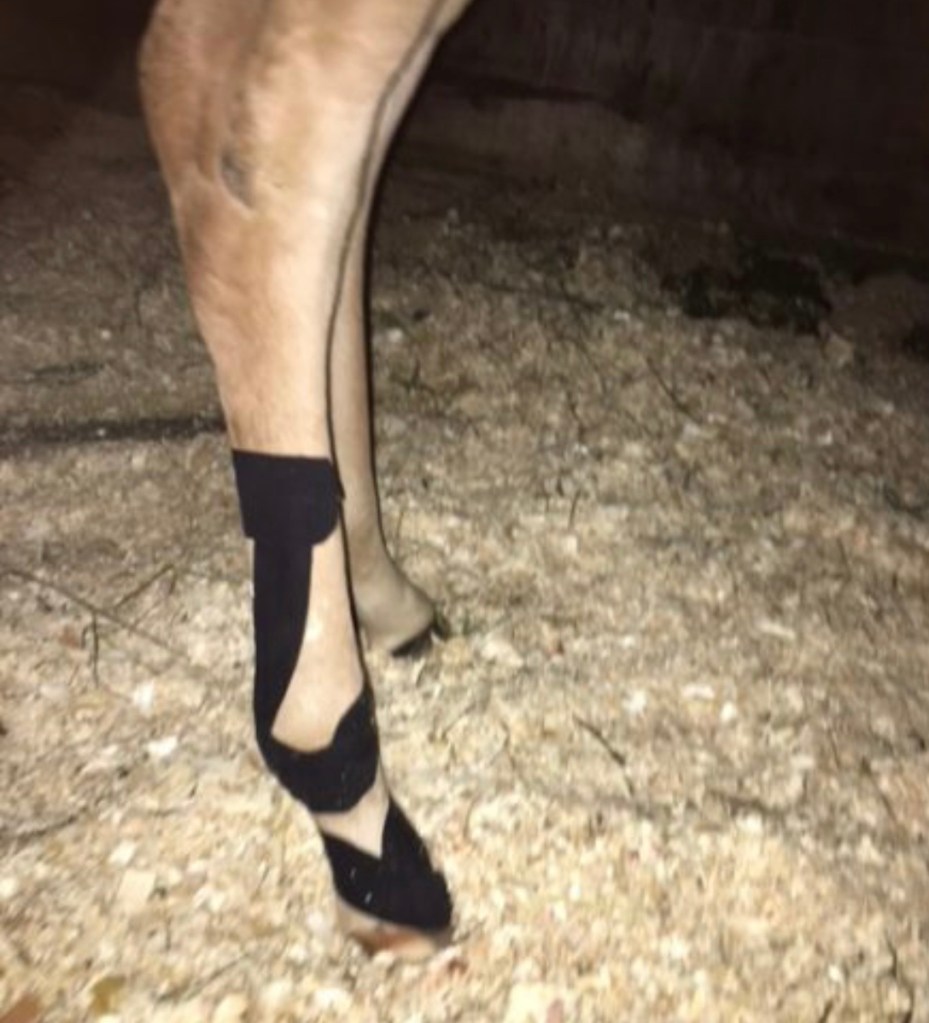
Most commonly seen in young horses and ponies, it occurs when the medial patellar ligament (which connects the patella, in the stifle joint, to the tibia below) gets ‘stuck’ on the femur during limb extension. The signs can be quite variable in severity and frequency. The other end of the age spectrum is in older horses who have lost muscle in the quadriceps area. The fact that this affects young and old but not commonly fit and mature horses points to one of the ways to resolve this by strengthening certain muscles. By working to strengthen the quadriceps muscle and often by using kinesiology tape to guide the leg, the physiotherapist is often the main source of rehabilitation in cases of patella subluxation. In cases of complete fixation, the stifle and hock become locked in extension, and the horse might hop and drag his toe behind him to move. When the ligament releases, it appears as a jerking movement. Some veterinarians will advise surgical intervention for patella subluxation.
Carefully developed exercise programs offer the best hope for hindlimb lameness
The cause of upward fixation of the patella is not well-understood, although researchers have identified some predisposing factors. These might include:
Straight hind-limb conformation;
Upright medial (inner) hoof walls and elongated toes;
Weak quadriceps (a group of muscles that controls the stifle’s position and serves to extend the joint) and poor muscling in young horses;
Prolonged periods of stall rest or time off from work due to other injuries;
Breed, due to a hereditary component (Shetlands, specifically, are affected).
In the veterinarian’s initial examination, they should evaluate the horse’s gait and radiograph (X ray) and potentially ultrasound the stifle(s) to ensure the horse doesn’t have concurrent stifle disease, as this can change the course of treatment.
A conditioning program is key for young or weak horses with intermittent upward fixation. Conditioning should focus on strengthening the quadriceps. This is often done by incorporating hill work in which the horse is asked to walk up and down hills several times per day and given specific hill based exercises by the physiotherapist or bodyworker. Limiting time in the stall is also beneficial. Obviously a good foot trim and balanced hooves are essential in building the muscles of the legs.
If exercise is unsuccessful alone, then injections of iodine into the joint to irritate can be used to cause deliberate inflammation and consequent tightening of the ligament in healing. This is a treatment with very mixed results and likely quite some pain and discomfort to the horse in the process.
is unsuccessful or for moderate-to-severe or recurrent cases, the current surgical treatment of choice is medial patellar ligament desmoplasty (splitting). Surgeons complete this procedure with the horse either under brief general anesthesia or standing with local anesthesia. They use a blade or needle (sometimes guided by ultrasound) to make small incisions in the medial patellar ligament to cause it to tighten and become inflamed. The horse can go back to light work the following day. Exercise is important post-desmoplasty because the resulting inflammation helps tighten that ligament.
The overall success rate for this procedure varies, but researchers have reported it to be 70-90%. In cases that do not respond to medical management and splitting, or when the patella remains persistently locked, medial patella ligament desmoty (cutting the ligament completely to release the locked patella) is the surgical treatment often offered. Surgeons perform this under standing sedation.
Although this is a straightforward resolution to the problem, it is not without complications, including development of secondary osteoarthritis of the stifle. Therefore, desmotomy should only be performed when necessary. This procedure also requires that the horse have more time off from work which is contraindicated in a number of conditions that often come with the patella issue.
The most common hind end lamenesses occur due to soft tissue strains and tears. Ultrasound is often used to determine the area of soft tissue injury but thermography is now thought to offer considerable possibilities in soft tissue injury diagnosis. Treatment may involve laser, ultrasound or PEMF (pulsed electromagnetic field) therapies alongside acupuncture or cupping and massage. Cryotherapy (ice and heat alternating) may be used in the early stages.
Treatment also involves controlled exercise under the guidance of an equine exercise practitioner such as a physiotherapist or equine fitness instructor. The physiotherapist may use kinesiology taping to aid the recover program.
Kinesiotape is increasingly being used in hind limb lameness and is offering considerable hope in the field of soft tissue rehabilitation
The major consideration in soft tissue injuries is that the return to work must be extremely slow and controlled to reduce the danger of permanent damage. Extracorporeal shock wave treatment is also a possibility for the recovery appears to have stopped or plateaued.
Spring ridden training of your horse
Welcome to spring with some training tips!
I am a huge advocate for in hand training work but today I am specifically looking at ridden work…
Ride in straight lines!
I know, as riders, we are often obsessed with circles! Circles are great; correct bend is good! But until you can establish good muscle balance, the straight line is your friend. In terms of equine balance and fitness, straight lines are a mighty tool!
From a conditioning standpoint, plenty of work on straight lines is vital for improving function of back muscles and equalizing forces from the hind legs.
Too much time on bent or curved lines can deepen muscle imbalances and worsen short-strided gaits.
But straight does not mean boring!
By using slopes and uneven ground, straight can actually be hugely challenging. Straight doesn’t mean just going forwards! Changing pace; changing speed within a gait; changing direction (back and forwards); going over poles and using balance challenges little a slope, a tyre or a teeter totter are all highly effective methods of increasing muscle in a straight line.
But if I just do straight lines, my circles will be awful and unpracticed!
The thing is if you start riding circles with unbalanced muscles, you will potentially confirm the imbalance unless you can ride in such a way that you influence those specific muscles (which, being honest, is a pretty complex challenge for most of us hobby riders).
If you want hind end muscles, ride slowly up hills on a loose rein. If you can do this and add in a few little obstacles along the way to step over, you will improve the body control and proprioception for your horse into the bargain! Stepping slowly over jump poles on stands somewhat higher than cavaletti (knee height), having slowly raised the poles inch by inch from the ground up so that the horse learns to use his legs and his body awareness builds the very best kind of strength and range of motion for a jumper. It helps the joints to be flexible and adds strength to the muscles- a little like tai chi for horses!
It might seem a little less interested as a rider but when you get into the way of thinking, it becomes great fun to look out for and use obstacles out on a trail ride or in the arena and consider which muscles you can build and how.
Improving your horse’s body awareness, strength and control will keep you both safe as well as improving your horses ability to clear jumps, produce higher points in dressage or maintain fitness for longer while competing over distance.
Below are five ideas for straight line training to get you started!
1. Straight and still; square your horse up and sit for 5 minutes, quietly correcting any movements out of square, with all four hooves carrying equal weight. (If your horse cannot do this or tries to avoid it is likely due to physical weakness – begin small and on day one expect 30 seconds, building up time over numerous short sessions across 2 weeks). Most horses prefer to put weight on certain legs and take weight off others. Squaring up is a great way of helping your horse balance under your weight.
Straight and still is enormously hard for both the mind and body and for both the rider and the horse – the dog seems to have gotten the idea though!
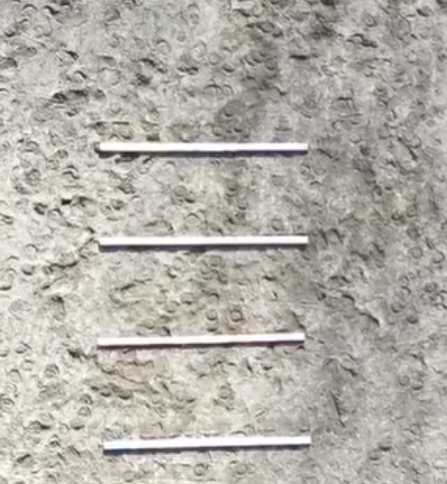
2. Back up; learning to back up in a straight line is a great skill and much harder than it looks. Put two poles on the ground and step your horse into the ‘roadway’ you have made just one or two steps to begin with. Back out. Now step a little further in and back out again slowly and step by step. Continue slowly repeating until you have walked all the way through and backed all the way back. This is a great exercise for your balance and straightness too as wonky riders create a wonky backup!Stop and take a good look at where your horse’s feet are in relation to the poles but then go back to looking forward straight at a point on the horizon to keep your own body straight during the rein back
It is tempting to look down but when you have checked where you are, return to a neutral position and pick a spot on the horizon for your eyes to focus on so that your weight changes from moving your head doesn’t give mis-cues to your horse
3. Using cavaletti and trotting poles on the straight; going straight at a walk and trot over poles and cavaletti is an excellent exercise.
While walking poles will be about 1m apart or 2.5 feet, trotting poles are near double that. If you are working with a small pony you will need to adjust your distances!
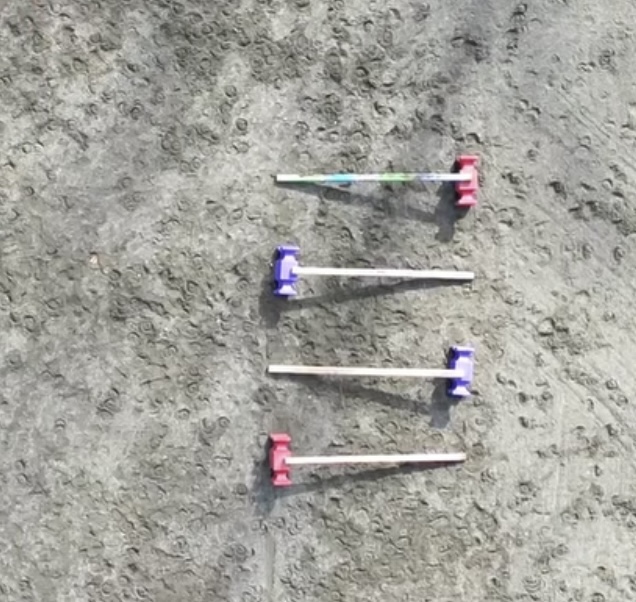
4. You can add a little challenge by raising one end of the poles and even alternating so that first the right then the left end is raised. This helps with stride length, stretch, proprioception and rhythm.
By raising alternate ends, you ask for a different stretch to each diagonal. You can change this up by doing two left then two right. Small changes offer big challenges and practice with these type of exercises offers huge results!
5. Use a bank or slope and ride up and down it in walk. Try going across it in both directions. Back up/ rein back up the slope. Back up/rein back down the slope. If your horse is unsure with weight in the saddle, hop off and try this in hand!
Remember if it is hard to do ridden, you can always teach all of these exercises in hand to your horse first. Horses may take a while to understand what you are asking of them and longer for their body to coordinate some of these exercises so ….be patient and good luck!
I am a huge advocate for in hand training work but today I am specifically looking at ridden work…
Ride in straight lines!
I know, as riders, we are often obsessed with circles! Circles are great; correct bend is good! But until you can establish good muscle balance, the straight line is your friend. In terms of equine balance and fitness, straight lines are a mighty tool!
From a conditioning standpoint, plenty of work on straight lines is vital for improving function of back muscles and equalizing forces from the hind legs.
Too much time on bent or curved lines can deepen muscle imbalances and worsen short-strided gaits.
But straight does not mean boring!
By using slopes and uneven ground, straight can actually be hugely challenging. Straight doesn’t mean just going forwards! Changing pace; changing speed within a gait; changing direction (back and forwards); going over poles and using balance challenges little a slope, a tyre or a teeter totter are all highly effective methods of increasing muscle in a straight line.
But if I just do straight lines, my circles will be awful and unpracticed!
The thing is if you start riding circles with unbalanced muscles, you will potentially confirm the imbalance unless you can ride in such a way that you influence those specific muscles (which, being honest, is a pretty complex challenge for most of us hobby riders).
If you want hind end muscles, ride slowly up hills on a loose rein. If you can do this and add in a few little obstacles along the way to step over, you will improve the body control and proprioception for your horse into the bargain! Stepping slowly over jump poles on stands somewhat higher than cavaletti (knee height), having slowly raised the poles inch by inch from the ground up so that the horse learns to use his legs and his body awareness builds the very best kind of strength and range of motion for a jumper. It helps the joints to be flexible and adds strength to the muscles- a little like tai chi for horses!
It might seem a little less interested as a rider but when you get into the way of thinking, it becomes great fun to look out for and use obstacles out on a trail ride or in the arena and consider which muscles you can build and how.
Improving your horse’s body awareness, strength and control will keep you both safe as well as improving your horses ability to clear jumps, produce higher points in dressage or maintain fitness for longer while competing over distance.
Below are five ideas for straight line training to get you started!
1. Straight and still; square your horse up and sit for 5 minutes, quietly correcting any movements out of square, with all four hooves carrying equal weight. (If your horse cannot do this or tries to avoid it is likely due to physical weakness – begin small and on day one expect 30 seconds, building up time over numerous short sessions across 2 weeks). Most horses prefer to put weight on certain legs and take weight off others. Squaring up is a great way of helping your horse balance under your weight.
Straight and still is enormously hard for both the mind and body and for both the rider and the horse – the dog seems to have gotten the idea though!
2. Back up; learning to back up in a straight line is a great skill and much harder than it looks. Put two poles on the ground and step your horse into the ‘roadway’ you have made just one or two steps to begin with. Back out. Now step a little further in and back out again slowly and step by step. Continue slowly repeating until you have walked all the way through and backed all the way back. This is a great exercise for your balance and straightness too as wonky riders create a wonky backup!Stop and take a good look at where your horse’s feet are in relation to the poles but then go back to looking forward straight at a point on the horizon to keep your own body straight during the rein back
It is tempting to look down but when you have checked where you are, return to a neutral position and pick a spot on the horizon for your eyes to focus on so that your weight changes from moving your head doesn’t give mis-cues to your horse
3. Using cavaletti and trotting poles on the straight; going straight at a walk and trot over poles and cavaletti is an excellent exercise.
While walking poles will be about 1m apart or 2.5 feet, trotting poles are near double that. If you are working with a small pony you will need to adjust your distances!
4. You can add a little challenge by raising one end of the poles and even alternating so that first the right then the left end is raised. This helps with stride length, stretch, proprioception and rhythm.
By raising alternate ends, you ask for a different stretch to each diagonal. You can change this up by doing two left then two right. Small changes offer big challenges and practice with these type of exercises offers huge results!
5. Use a bank or slope and ride up and down it in walk. Try going across it in both directions. Back up/ rein back up the slope. Back up/rein back down the slope. If your horse is unsure with weight in the saddle, hop off and try this in hand!
Remember if it is hard to do ridden, you can always teach all of these exercises in hand to your horse first. Horses may take a while to understand what you are asking of them and longer for their body to coordinate some of these exercises so ….be patient and good luck!
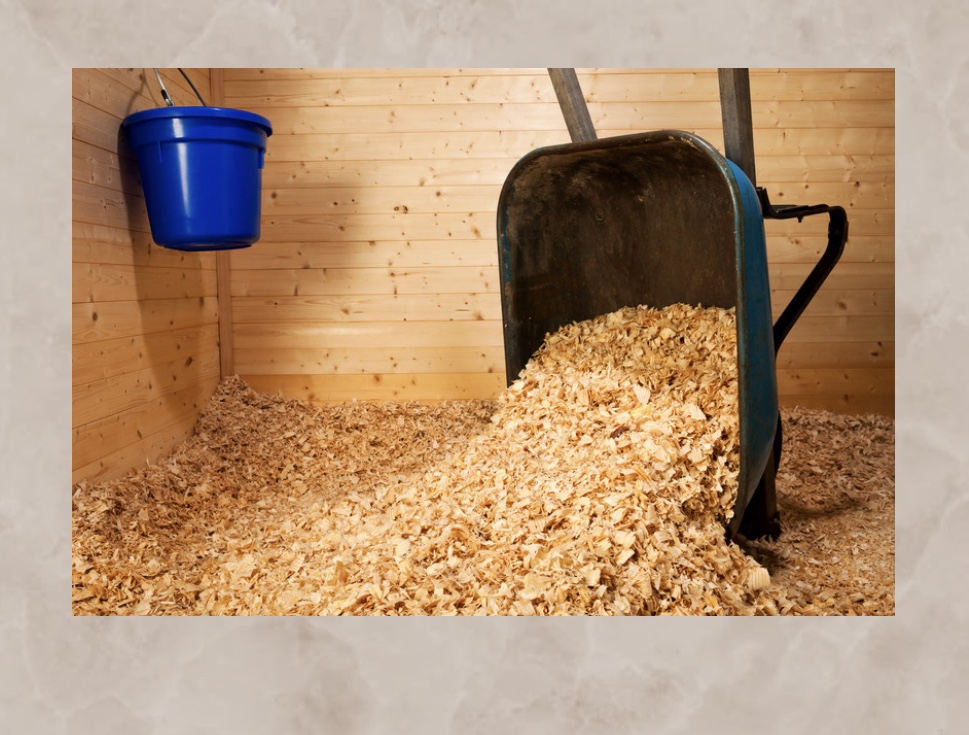
Med höjda kostnader och inte så mycket strö tillgängligt för men samtidigt en önskan att rädda vår planet för oss och vår hästs framtid började jag göra en liten testa på möjligheten att använda leas strö på ett säkert sätt för mina hästar och ponnyer.
Miljö/pengar/hästhälsa måste vara i balans!
Nedan är en kort sammanfattning av vad jag hittade!
Att minska användningen av strö är en smart skötselteknik för hästfastigheter av alla storlekar. Jag förespråkar att man överväger denna strategi av många skäl, inklusive:
* Att använda mindre strö förbättrar sysslornas effektivitet eftersom du inte behöver jaga gödsel i stora högar av spån medan du sållar igenom vad som är rent och vad som inte är det.
* Att minska strö sparar pengar. Det betyder också att du behöver mindre utrymme för att lagra inköpta strö och tar mindre tid på att transportera, lossa och stapla det i din lada (eller ordna med leveranser). Vissa typer av strö är attraktiva för häckande gnagare, så att begränsa mängden strö du behöver förvara kan också hjälpa till att förhindra gnagarangrepp.
* Mindre strö innebär mindre stallavfall i ditt gödselhanteringsprogram.
Strö kan bidra med en betydande mängd material som du antingen måste kompostera och använda på din fastighet eller transportera – vilket kräver tid och pengar.
Kompost ger tillbaka till jorden och planboken med bra mat och blommor!!
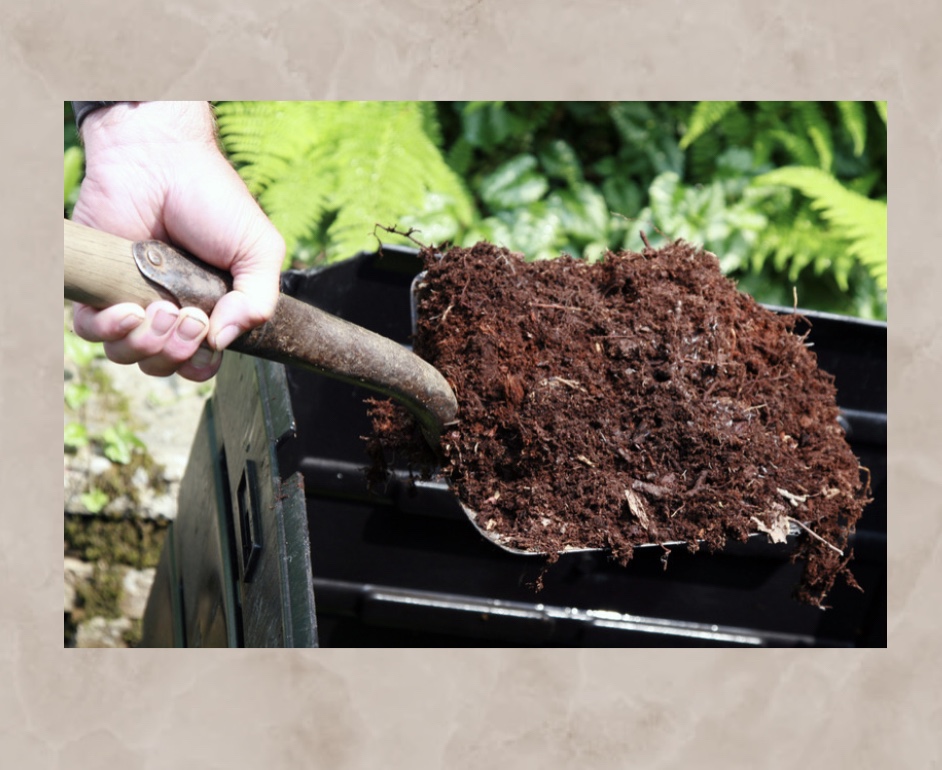
* Om du komposterar förbättras den färdiga kompostprodukten genom att minska mängden strö i ditt stallavfall. Strö är helt kol, men gödseln som produceras av hästar har redan det perfekta förhållandet mellan kol och kväve. Att lägga till mer strö till blandningen saktar ner nedbrytningsprocessen. Bra kompost är användbar som jordförbättring för dina betesmarker, gräsmattor eller trädgårdar, medan komposterat stallavfall som innehåller mycket strö kommer att sluta mer som kompost, en vedartad produkt som inte kommer att tillföra mycket näring till din betesmark (och kan till och med beröva jordar på värdefullt kväve). Och jag har lärt mig här i Norra Sverige tar det så mycket längre att laga kompost en södra ut!
* De flesta strö är gjorda av timmer, så att reducera strö minskar vår påverkan på planeten genom att minska vår konsumtion av träd och tillverkade produkter. Det kan också bidra till att minska på plastavfallet genom att begränsa behovet av förpackningar.
Hästens hälsa
En viktig faktor är att inte minska strö på bekostnad av din hästs hälsa. Nyckeln till att minska användningen av strö är att börja med stallmattor av bra tjock gummi. Stallmattor ger en jämn yta som dämpar hästens leder och mjuka vävnader, vilket är hälsosammare för dem än att stå på hårda eller ojämna ytor. Dessutom erbjuder stallmattor en plan yta som gör att du enkelt kan ta bort gödsel och smutsigt strö och lämna rent strö kvar.
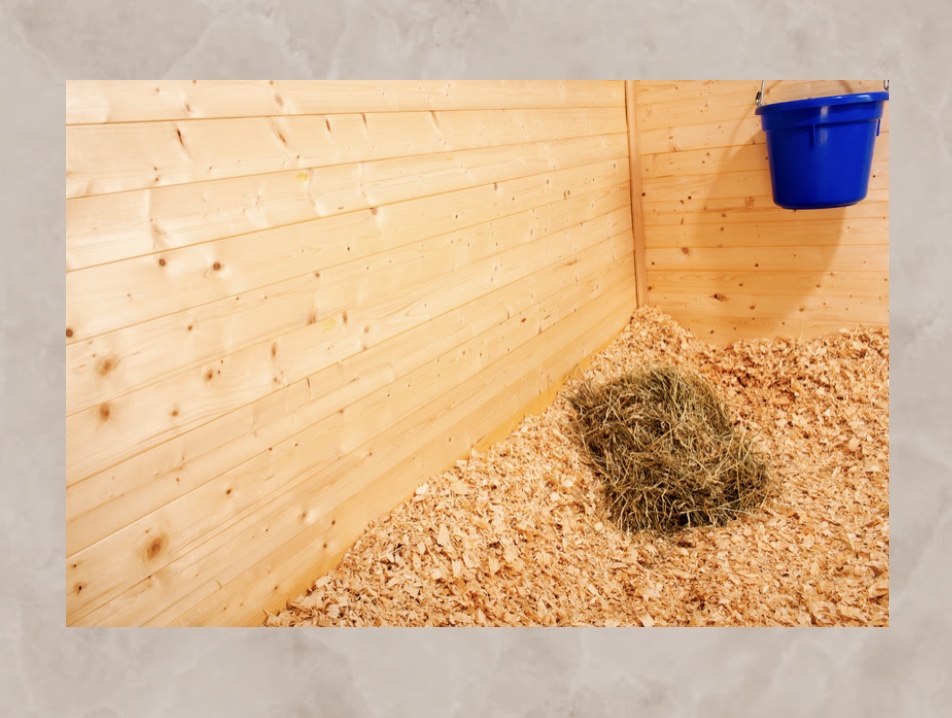
När du väl har stallmattor kan du tänka dig sängkläder som ett medium för att absorbera urin och fukt. Du kan sprida dina sängkläder i ett lätt lager, som en kull, eller bara i pottfläckar. Detta kommer att hjälpa till att minimera både sängkläder som används och mängden stallavfall som återstår att kassera.
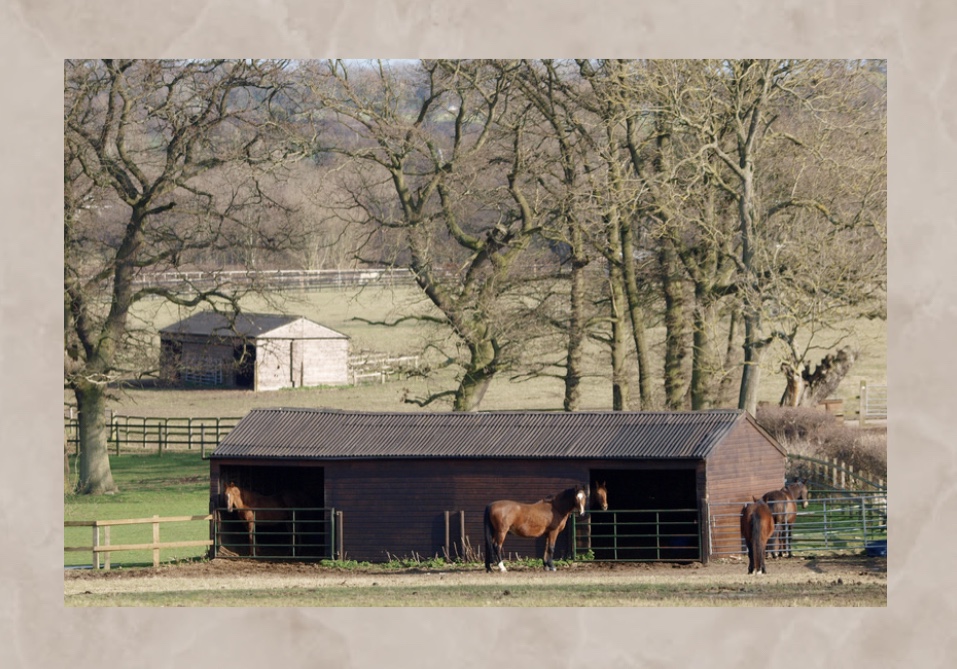
Men jag har sex hästar och bara ett stall och en ligghåll- hur funkar det?
Jag har testat förut stall mattor i ligghållen och det funkar i princip bra men golvet måste första varit jämnt och stampad ner sten var bästa i Wales (så att (utan dem dagarna när man har helt frys överallt urin kan rinner ner i jorden medan mattors sidan) med bra tjocka mattor över.
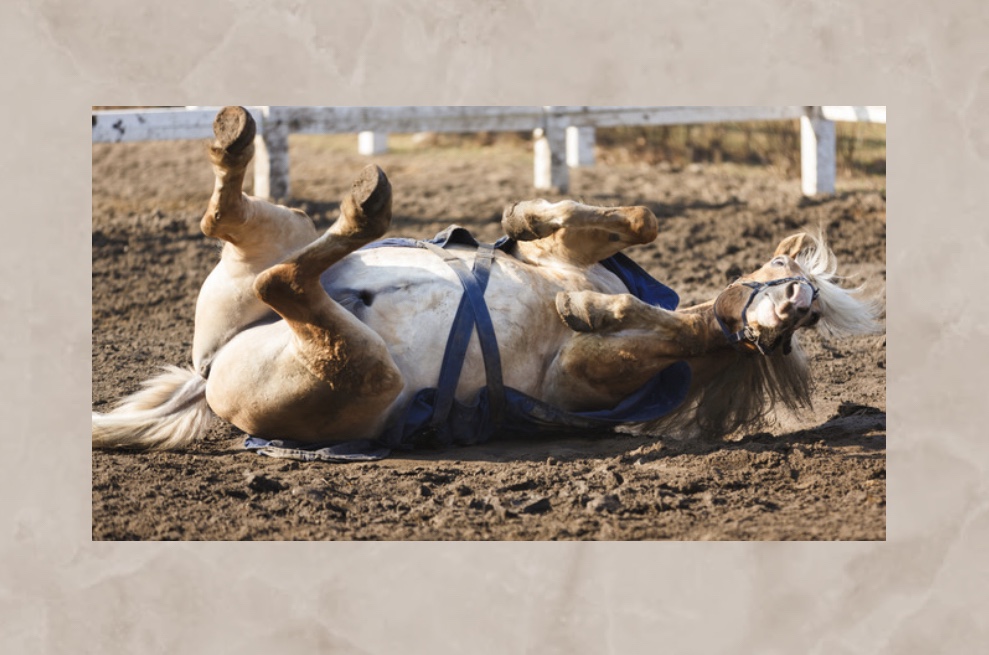
Många ryttare föredrar att bygga en bank eller små backe av staplade strö runt kanterna på stallgolvet för att förhindra att hästar kastas/fastnat, vilket är när de lägger sig eller rullar sig upp mot en vägg eller ett hörn och inte kan resa sig. Känslan av panik som detta skapar kan få hästar att slå runt och skada sig. Om en häst förblir i denna position för länge kan det också orsaka kvävning.
Många hästägare tror att att skapa en bank av staplade strö eller halm kan minska risken för en häst att bli fastnat eftersom det i teorin uppmuntrar hästar att lägga sig i mitten av båset och hindrar dem från att klämma benen mot väggen i stallet. Det finns dock få bevis för att strö minskar gjutningen, och det kan till och med förvärra situationen. Om en häst lyckas trycka sig bort från väggen kan stapplade strö hålla benen i en vinkel som gör det omöjligt för honom att komma på fötter igen. Vanligtvis är staplade banker bara effektiva om de är mycket höga och mycket breda.
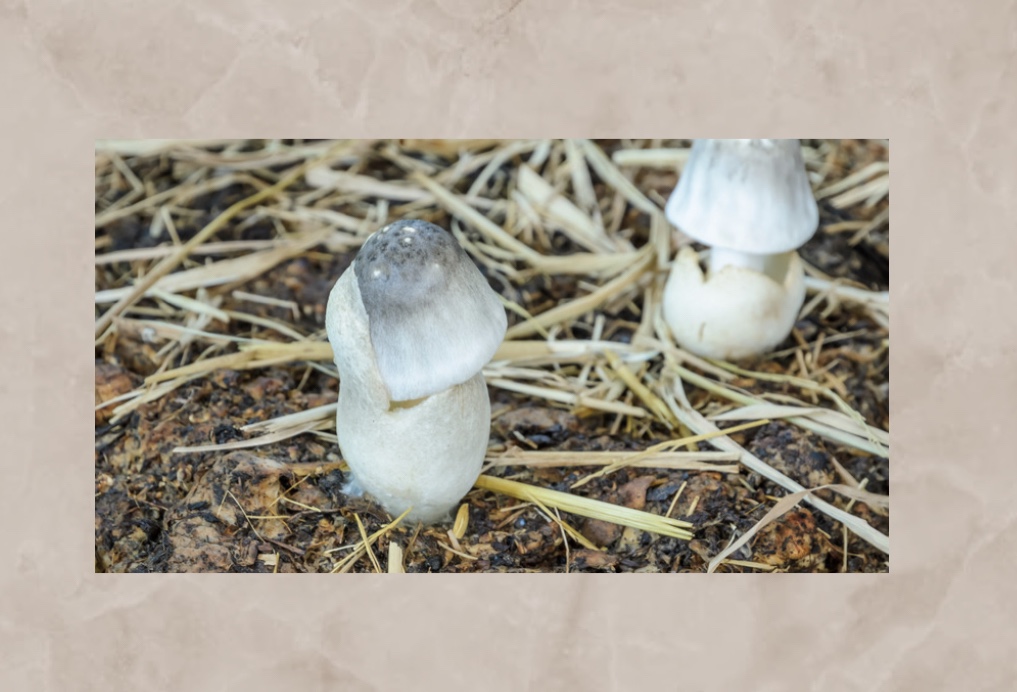
Staplade strö ger också den perfekta platsen för svampar att växa i ostörda områden. Svampar släpper ut sporer i luften, vilket kan orsaka luftvägsinflammation när hästen (eller människan) andas in dem. Om du staplar dina stå eller halm är det viktigt att hålla det fräscht för att motverka svamptillväxt.
Om din häst älskar att rulla i sitt stall, kanske du vill överväga något annat än staplade strö för att förhindra att han får fastnat. Till exempel kan du fodra stallväggar med väggmattor, ungefär som insidan av en hästsläp, som erbjuder dämpning och grepp för svängande fötter. Det finns också en mängd olika gjutgods på marknaden, såsom trä- eller gummilister eller remsor, som du fäster på väggar för att ge grepp. Dessa är avsedda att användas i stället för staplade strö.
Fördelarna med reducerad strö ger hästägare betydligt större än fördelarna med strö. Att minska ströen innebär mindre stallavfall, minskade kostnader, ökad sysslaeffektivitet och förbättrad hästhälsa.






 Happy Healthy Horses