Clipping, pulling manes and tails, hosing, using vibrational massage tools all pose huge challenges to a horse
I recently read a statistic that around 25% of equestrian injuries happen when the person is unmounted, including serious injuries.
My first head injury patient as an NHS therapist was an experienced horsewoman leading her horse to be groomed when other horses panicked at the gate and she was trampled with a shod hoof penetrating her skull.
The effects of an injury with a horse can be devastating
As a veterinary rehabilitation therapist/equine bodyworker and also a horsemanship trainer, I am acutely aware of how important it is to read and be respectful of a horse’s communication and personal space. After all I expect them to be careful of mine!
With my own horses, I try to teach them to give space and the corollary to that is I must give them space too, hanging out with the herd is a favourite activity but that doesn’t mean stroking faces or cuddling necks. Sometimes it does but there are ways to request that we touch rather than force. Signals that say ‘sorry but it’s time for….(vet/physio/farrier/riding)’ like certain halters for certain jobs and a gentle approach, even if a thorough grooming is required. When I worn with a horse in bodywork I prefer them to have room to move from me (a stall or a longer rope over my arm allows me not to have to walk to far to offer a second or third time to a sceptical horse)!
In a study where people were observed while grooming horses, half of the horses showed pain or aggression. The people were mostly unaware of the horses’ discomfort, even when some of their behavior escalated to dangerous threats. Only 5% of the horses showed positive behaviors like seeking closer contact or offering mutual grooming.
Left to themselves and in times of no threat, horses show their natural interpersonal space.
We need to learn to read our horses better!
We also need to learn a polite and respectful approach. I am always surprised by the number of ‘horse folk’ in riding schools who begin an interaction at the face of the horse and smack for reward (after all that is what a pat is if enthusiastically applied)!
We need to teach children and young people horse language almost before we allow them near a horse in my opinion.
At my horsemanship centre in Wales, taking care, listening to and working with horses on the ground were all a strong part of teaching young people safety and respect with our equine friends
And, in my perspective, mutual respect aught to be at the heart of horsemanship way before we encourage competitive riding.
In a second study, horses showed significantly more positive behaviors when the person grooming adjusted her technique according to the horse’s emotional responses, positive or negative.
Equine communication learning in action at Synchrony Horse School , photography by John Warburton. We taught to ask before entering and our horses usually chose to be caught by such polite handlers. This little person also placed out grooming kit and taught his horse of the day to touch with his nose before receiving a groom from each item. A child who has such empathy will grow into a safe adult to be around – these lessons are for life not just for horses!
We know that horses are very sensitive to touch (just think of how the skin responds to a fly landing on your horse), and will naturally have individual preferences for (or aversions to) different types of touch and different grooming tools, after all every horse is an individual. From the horse’s perspective as a flight animal with strict social herd rules about touch, grooming is an intense invasion of personal space (just as for us, the amount of invasion accepted and the amount of personal space held is utterly individual to each horse).
Understandably, and like us, invading space can make horses anxious.
In my view cross tying a horse for our safety worsens the problem (and does not resolve our safety issues as much as we might hope) and many unmoving horses are actually in a stressed state, known in the world of PTSD and mental health as ‘freeze.’
When I searched for a picture of cross ties I found lots of articles on how to teach your horse to behave in cross ties. In my thinking, this isn’t a good way to bond. It can be safer for vet or farrier care, but it can cause stress and panic so that safety becomes a big issue for the handler
While many horses and ponies learn this practice is ‘what humans do to me,’ I do not believe it is the best way to perform bonding activities like grooming or massage. (Anthropomorphic example would be tying you to a massage table and applying massage techniques without asking if the pressure is correct or not).
The problems with stressing our horses lead to illnesses like stomach ulcers, behaviour we don’t want like kicking or refusing to be caught, stress behaviour like nibbling on ropes or biting wood and more serious health problems resulting from raised cortisol in their systems. Since horses are expensive and vet bills even more so, it seems sensible to keep costs down by keeping our horses in the least stressed way.
Veterinary costs can be high if stress causes illnesses
Tuning in to horses’ emotions improves their welfare, their health outcomes, our partnership with them, and can protect our safety at the same time.
If you would like to learn more, please join my horse tribe and take one of the online or in person trainings we offer at the High Coast Animal Academy.
References:
Do Horses Like Being Groomed? Probably Not, Study Finds
by Robin Foster, PhD, Cert. Applied Animal Behaviorist (CAAB), Cert. Horse Behavior Consultant (CHBC)
Lansade, L., Bonneau, C., Parias, C., & Biau, S. (2019).
Horse’s emotional state and rider safety during grooming practices, a field study. Applied Animal Behaviour Science 217, 43–47.
Lansade, L., Nowak, R., Lainé, A.-L., Leterrier, C., Bonneau, C., Parias, C., Bertin, A. (2018). Facial expression and oxytocin as possible markers of positive emotions in horses. Scientific Reports 8, 14680. DOI:10.1038/s41598-018-32993-z
This weeks blog is a little different as I introduce a new course we have been developing here at High Coast Animal a education centre. This course is really great for you if you want to improve your relationship with your own horse, develop and deepen your knowledge to help horses or as an introduction to equine massage, bodywork or physiotherapy as a career.
This course is an introduction to equine bodywork and covers the basics. It offers manual techniques to help horses be more comfortable, riders and owners have a better understanding of their horse and pick up problems in the body before they become too great. It is a great beginning in a career helping horses and is taught by practitioners with real on the ground experience.
On achieving the certification from this course you will be able to offer massage and very basic myofascial treatment to your own horses and to progress to advanced courses in equine massage, equine bodywork or equine physiotherapy
Contents;
The horse as a species
Evolution and domestication: two concepts that have played a crucial role in the creation of the horse as we know it today.
You learn how the horse evolved, how it developed over the centuries and how it interacted with humans.
These components give you more insight into the horse’s basic needs and functioning.
The horse’s anatomy
The basic anatomy of the horse – knowing what is where!
⁃ bones and skeleton
⁃ Muscles
⁃ Nerves
⁃ Fascia
⁃ Joints
⁃ Hoof
⁃ Face
The horse’s systems
The different systems of the horse are discussed. You will learn more about the function and structure of, among other things, the skeleton, muscles and the digestive system.
The musculature alone is incapable of moving the horse, and the digestive system does not provide fuel when it cannot interact with other systems in the body.
All systems in the horse’s body are interconnected and help each other to function properly.
You will learn more about the flight response, how nutrition is converted into movement and how horses sleep and rest.
The Horse’s movement
Movement plays an essential role in a horse’s daily life.
In this module you will use the knowledge from the earlier modules to look at and assess the horse properly.
What is it that makes a horse ‘well-built’, and what influence do certain deviations in the conformation have?
By observing horses in movement, you will learn some of the abnormalities in movement there are and how to recognize them. Subjects such as lameness testing, abnormalities that can cause lameness and the horse’s ability to recover from injury are discussed in brief.
The horse’s psychology
An essential part of working with our horses is that of responding to their behaviour and communication with us. Without an understanding of the horse as a species, as a gender and as an individual, it is nearly impossible to offer meaningful bodywork.
By examining horses in the wild and in different training programs you will begin to draw a framework for developing your own style of bodywork for your horse
The horse’s bodywork
Horse behaviour and the domains of horse welfare.
Massage techniques and keeping your body safe.
Engaging the horse in bodywork. Massage techniques related to fascial chains.
Bodywork related to meridians.
Reading body language.
Back to muscles! – know where they are, what they do and how to massage, as well as potential other manual and energetic treatments you can offer which help.
The alternative medicine toolbox contains many tools for treating the Cushing’s horse, but each animal is an individual and will respond differently. In treating these complex cases, it is important to proceed one step at a time, and realize that the course of treatment may be long and expensive if the horse has many medical problems. There isn’t one simple answer to Cushing’s.
PPID – As the number of horses with Cushing’s continues to rise, we need to keep building on our understanding of the disease, as well as how to recognize and treat it.
Cushing’s syndrome has become one of the most common diagnoses in equine veterinary practice. There are several reasons why. Perhaps a major one is that we keep our horses going for a greater number of years than we did in the past, and Cushing’s tends to more commonly affect elderly horses. Veterinarians and horse owners are also much better informed about the condition and are knowledgeable about symptoms. In addition, our ability to test for the Cushing’s has improved, and the main drug prescribed for it has been approved for use in horses, leading to easy conventional treatment.
What is Cushing’s syndrome?
A more correct term for Cushing’s among researchers is PPID (Pituitary Par Intermedia Dysfunction). This is because Cushing’s in humans and dogs affects a different part of the pituitary gland than it does in equines. PPID is a more correct functional term for the disease in horses, and should be adapted to describe this condition.
Pituitary adenomas (tumors) of the pars intermedia part of the pituitary gland have been considered an almost normal part of aging in horses. However, texts show conflicting reports about how common the true adenoma tumor is. About half the sources feel an actual adenoma is less common, and that hyperplasia (abnormal and overactive, but not tumorous growth of cells) occurs instead. Both adenomas and hyperplasia cause similar sets of symptoms, but hyperplasia, being a functional disturbance rather than a tumor, is easier to treat. Many horses respond well to treatment; in these cases, the condition is probably more functional than cancerous. Older horses that do not respond well to treatment may have actual tumors.
Signs of Cushing’s syndrome
Hirsutism (long hair)
Hair not shed out in summer
Refractory laminitis
Winter laminitis
Weight problems (over- or underweight)
Sluggish thyroid gland
Insulin resistance
Thyroid dysfunction
Muscle soreness
Diabetes
Polyuria/polydipsia (drinking and peeing excessively)
Collagen breakdown (back sags, tendons and ligaments may stretch)
Poor hair coat
Frequent infections of the skin or other organs
Colic
Poor teeth
Multiple dental abnormalities
Lowered immunity to intestinal parasites
Decreased intestinal wall integrity
Infertility
Muscle wasting
The goal in natural treating Cushing’s or PPID and PPID-based laminitis is to return the horse’s metabolism to proper balance; provide nutritional support to prevent and reverse damage from circulating free radicals; and prevent further damage to and encourage healthy laminar attachments in the feet. Most horses can live a long and functional life, even with laminitis, if the program is good and tailored to their needs.
The first step in your program is to repair the gut. Many horses have been given anti-inflammatories and antibiotics frequently throughout their lives. This compromises the health of the digestive tract in many ways.
Restore gut function with high qualityprobiotics. This is the most important thing. If the gut is in poor shape, try 20 grams of glutamine per day. Glutamine is an amino acid that serves as a fuel for cells of the gut wall.
Feed whole foods if possible, unless the horse has poor teeth or poor digestion. Processed grains and hays may lose key ingredients during manufacturing since pellets and extruded feeds are made at high temperatures. Some horses digest their food better when enzymes are added.
Choose a feed that’slow in sugar! No horse needs any sweet feed. Plain whole grains are effective; if you need to purchase a processed grain, get a low carb feed, preferably one made from non-GMO ingredients. Plain barley and oats make a simple, clean non-GMO mixture, if they are available. Barley is a cooling food from a Chinese medicine perspective, and is useful for inflammation.
You may need torestrict your horse’s grazing in order to control his weight.
Grass types, quality and sugar content vary across the country, so you need to learn about your local grasses.
Time in the pasture is good for reducing stress, but can cause problems as well. Pasture Paradise setups, with a track for horses to walk to reach their hay, water and shelter, can be useful if you own your property.
Muzzles are a compromise that work well for many horses, though not so well for others.
Exercise is one of the best things you can do to help control weight, but this won’t work if the horse is in a lot of pain.
Consider a possible need for higher levels of protein (up to 14%) and calories for Cushing’s horses with weight loss problems. Increased calories can be given as fats (vegetable oils, coconut oil or rice bran) and are well digested by most horses.
Provide high levels of antioxidants.
Coenzyme Q10 is very valuable in this respect. The therapeutic dose is 300mg to 600mg per day for the first week or two if the horse is acutely laminitic; the dose can then be slowly decreased to a maintenance dose of about 100mg per day (a good level for the non-laminitic horse).
Vitamin C is an excellent antioxidant and nutrient for collagen support as well as organ and immune system healing. Doses range from 3g to 8g per day.
Give the horse access to free choice minerals, with salt fed separately. This is among the most important aspects of any nutritional program for. Several key minerals are needed for glucose metabolism in the Cushing’s horse.
Magnesium affects insulin secretion and its action in the cells. It also helps cells become more flexible and permeable to insulin.
Chromium helps make muscle more sensitive to insulin so glucose can be taken into muscle cells more easily. In addition, chromium is related to elevated blood sugar and is effective in reducing fasting blood sugar levels.
Vanadium or vandyl sulfate has actual insulin-like effects on glucose metabolism, which helps transport glucose into the cells.
Provide essential fatty acids(EFAs); these are needed to help make cell walls more permeable to insulin. They are anti-inflammatory and improve the health of the immune system. Omega 3 fatty acids are especially deficient in many equine diets. Flax, chia seeds and hemp provide plenty of Omega 3s that are palatable to the equine.
Consider pituitary glandular support. Some practitioners recommend using it for the Cushing’s syndrome horse, along with general glandular support, because the pituitary gland is central to the function of the entire hormonal system. Glandulars are nutritional supplements made from actual glandular tissue, often prepared with supporting nutrients.
Glandulars can be useful in equine nutrition and should be considered instead of synthetic organ replacement, as in thyroid therapy or as support for other organs such as the pituitary gland. Cushing’s horses are about the only ones I will use glandulars for because of the vegetarian nature of the equine. Additional thyroid supplementation may be necessary in some cases.
Treat each Cushing’s horse as an individual and seek quality practitioners to assist as you develop a program to help your equine partner. Use as much whole food nutrition as possible, supplement with specific nutrients as needed, reduce stresses (some practitioners recommend reducing vaccinations too), and support a healthy digestive tract. With some dedicated effort, your Cushing’s horse can lead a long and happy life.
Integrative therapies that are also sometimes very helpful for the Cushings or cushingoid horse
1. Herbs of many types are useful for the Cushing’s horse. Milk thistle, vitex agnus castus, bilberry, fenugreek, and many others have properties that support and correct the hormonal system. Devils claw helps with inflammation as does boswelia and turmeric. Cleavers (Galium aparine L. ) can be picked along field borders and offer a tonic to the lymph system. Chaste tree supports the pituitary directly. Bladderwrack and kelp seaweeds also offer support. Barberry, Burdock, Echinacea, Parsley, Pau D Arco, Chamomile, Ginger, Gingko, Hydrangea and Goldenseal. I recommend using Silver Lining herbs pituitary support if you are unsure about blending your own herbal mix.
2. For many owners, homeopathy offers a supportive path and can be important to the success of treatment in many cases. If homeopathy is used, it is advisable to work with an experienced homeopath to determine the constitutional remedy that best the individual horse.
3. Chinese medicine, with acupuncture and Chinese herbs, can be also used to help Cushing’s horses. Herbal formulas are tailored to address the imbalance in each individual horse, so there are no generalizations. It is best to work with a veterinarian experienced in either Chinese herbs or acupuncture.
Keeping your horse active and moving can be an extremely important part of rehabilitation in horses with cushings and laminitis processes. Many owners have found the use of a track system with physical challenges such as railway sleepers to step over along the way.
I know I bang on about this but a lot but I am once again reminded of the vital effects of developing these muscles and the disasters of not doing so after seeing several horses these past two weeks who were asked to work in different ridden disciplines with underdeveloped thoracic muscles
While today’s blog is very much about dressage, I am aware of the urgent need for the development of these muscles and maintenance of the same in riding school horses and ponies as well as our happy hackers and family horses!
The front (thoracic sling) needs to be strong enough to receive and hold the impulsion from behind so don’t expect your young or relatively untrained horse to be ‘up and on.’
I love the clarity of this drawing by Susan Harris.
This is why a prep/prelim horse should not be asked to hold its neck in a frame.
Most of us bodyworkers and physios pray that more judges at lower levels of competition start to realize this when judging dressage.
Working long and low allows this horse to find his balance
Strength is the answer to good dressage and this takes time. It takes balance, proprioception, cross training (Ie. doing something other than dressage) and body education. This is why we have lower level dressage tests so we can develop the correct muscles and check we are along the correct path.
We often read or hear about lower level tests that the horse is described as not working over the back because they think the horse at this low level should be up and on, like a fully educated high level horse.
I do not believe this to be true. Any horse earlier in his training, or recovering from injury, or with a less trained or busy-with-life rider, should be low in the neck (around wither height) and nose poked out so it can work from behind.
I know I have read many comments on dressage tests (at Prep) that the horse is not working over the back because it is slightly in front of the vertical.
A preparatory test is just that – designed for horses in the early stages of their body’s education and the horse at this level is just learning how to carry weight and have consistent rhythm.
To get consistent rhythm the horse will use his neck to balance as this is what we call their “5th leg”.
This means that they will move their neck around as they are learning how to balance.
It also means they may lose their rhythm at times, as they are learning about balance.
It is essential however that they should not be tight in the neck as this restricts the back and hind end.
The horse needs to develop self carriage in order to be able to relax his or her muscles.
So when the horse loses a little contact this is ok as long as they are relaxed, this is called “self carriage”.
Holding horses in a form for which they are not ready, creates tensions all the way through the body. These are reflected in gait issues, tendon issues, joint issues like the SI and movement issues that over time create arthritic changes in the horse’s body.
I have heard the argument that holding or helping with the bit is the only way to teach the horse this kind of carriage but bitless dressage classes (which are becoming increasingly popular) give the lie to this, with some horses entering who have never had a bit in their mouth. These muscles are built through careful exercise not through manhandling a horse’s head into position, in my opinion.
Bitless dressage requires that the horse and rider can truly harmonise two bodies in self carriageWe need to be careful of both horse and rider’s bodies – self carriage of both is essential. It is not the rider’s responsibility to manage the horse’s carriage nor the horse’s responsibility to manage an unbalanced and ill trained rider (unless they are working with riding for the disabled and in that case they need considerable physical training between work sessions and considerable bodywork).The horse knows self carriage naturally, but with the weight of a rider he requires a completely new way of moving!
I have seen horses ridden who gain reasonable scores but with such tension that their back muscles change and flatten, a bump and dip effect appears around their lower back and pelvis and their movement pattern changes from flexibility to stiffness. In its extreme they can walk like teenage girls in high heeled shoes, tottering with the back held stiffly, even when the front end appears round, up and on!
So here is my plea- take time to train your horse and yourself for self carriage (both of you!) and do not succumb to the comments of those who are too busy looking for a finished ‘Valegro’ in a young or inexperienced horse’s appearance!
Sacroiliac disease is debilitating and performance-limiting.
A lack of understanding about this condition can lead to inefficient treatment and even welfare problems for the horse—especially if handlers consider his issues to be behavior-related.
Know how to recognize the signs and work with your veterinarian and physiotherapist to get a diagnosis and personalized treatment program to help your horse get back on track and performing his best.
The sacroiliac (SI) region is the part of the horse’s back where, just as it sounds, the sacrum and the ilium unite. The ilium is the largest, fan-shaped bone of the pelvis, and the sacrum, which is also considered part of the pelvis, is made up of five fused vertebrae that form one solid unit just before the tail.
Two SI joints connect these bony structures, and a series of ligaments along the central aspect of the joints hold those joints together
The horse is able to move forward efficiently because of this SI region, which transfers forces from the horse’s hind legs to his back. Unlike most other joints and ligaments in the horse’s body, the SI region is designed more for stability and shock absorption than movement.
A horse gallops, jumps, collects, turns and extends his stride with power from his hindquarters. And his sacroiliac (SI) joint is critical at every stride. It transfers the action of his hind legs to his back, translating the push into forward motion.
Given the forces that this joint handles day in and day out, it’s not unusual for horses to develop SI pain. The trick is recognizing the problem: SI injuries are notoriously hard to pin down, with subtle and confusing signs, easily mistaken for other physical or even behavioral problems. Any horse can injure his SI joint in a fall or some other accident. The injury may leave the joint less stable than it was originally, so it can become a source of chronic pain. Performance horses may develop SI problems through simple wear and tear and the more mechanical stress the joint comes under, the greater the risk.
Ligaments can be torn, stretched, or otherwise damaged, and the bones can show arthritic changes. In most cases, it’s initially ligament damage that wasn’t originally recognized. However, when the damage has been there for a long time, it creates arthritis in the joints because they’re not properly supported by the ligaments anymore.
SI problems are fairly common. In one recent survey, these problems accounted for more than half of 124 horses presented for back problems at the University of Minnesota equine clinic. Sacroiliac disease is a relatively new field of scientific study, having only been described in literature since 2003. Researchers’ progress is leading to better recognition, diagnosis, prevention, treatment, and general understanding of this musculoskeletal issue.
Show jumping and dressage seem to be especially hard on the joint, according to a study carried out by Sue Dyson, FRCVS, and others at the Center for Equine Studies, Animal Health Trust, Newmarket, United Kingdom. That study analyzed records of 74 horses seen for SI pain at the center. Dressage horses and show jumpers accounted for almost 60 percent of the group. Slightly more than half were warmbloods, suggesting that breed may play a role. And horses with SI pain tended to be taller and heavier than average, another sign that mechanical stress is an important factor.
Under stress, the joint can be injured in several ways. The SI ligaments can tear, just as ligaments and tendons in a limb can give way under stress. And the joint itself, like the hock or any other joint, can become inflamed. Over time, osteoarthritis develops cartilage wears away and bone remodels. Thoroughbred racehorses sometimes get pelvic stress fractures directly over the SI joint, and those need to be differentiated from SI joint arthritis.
SI problems are hard to spot. The joint has almost no range of motion and is buried under layers of muscle and fat, so you can’t really see or feel it. And signs of SI pain are often frustratingly vague. Your first hint of trouble may be a change in your horse’s performance or attitude—he’s not working at his usual level or seems unwilling to work. He lacks impulsion behind, and his quality of movement isn’t what it was. Your farrier may tell you that your horse is difficult to shoe behind.
You may see other signs as well. Some may show up when your horse works on a longe line or in-hand. But often signs are worse when your horse is ridden or is asked to canter, because these demands call for more hind-limb impulsion and put more stress on the SI. Sometimes the signs are apparent only when your horse is ridden, and sometimes they are felt only from the saddle. Horses with SI problems may not look lame, even to a skilled observer, but they often feel worse to a rider.
Besides lack of impulsion and reduced quality of movement, you may notice that your horse
• is reluctant to move forward.
• bunny-hopping and
• lack of hindquarter coordination
• weight-shifting
• difficulty lifting the hind feet for hoof care
• holds his back rigid.
• tends to throw his rider upward and forward.
• is reluctant to work on the bit.
• has trouble with lateral work, such as shoulder-in and half-pass.
• is stiff and crooked at the canter.
• changes his leading hind leg (swaps off behind) at the canter.
• has trouble with flying lead changes.
• bucks and kicks out.
• refuses jumps.
• Working your horse in-hand (on a firm surface), you may also see that he travels with a wide-based gait behind and has trouble with foot placement on circles.
• A “hunter’s bump” just indicates a prominent bony crest (the tuber sacrale) underneath the muscles at the top of the croup.
• Prominence on one or both sides may be normal for a particular horse, but if your horse has pain, muscle spasms and joint stiffness in the SI or pelvic region, then the bump is likely to be significant. It may signal subluxation (a partial displacement of the tuber sacrale).
Asymmetrical muscling in the hindquarters is another red flag or, perhaps, a red herring. Unfortunately, most signs of SI pain can be produced by other conditions.
SI pain often appears along with other musculoskeletal problems.
Sacroiliac disease can appear in any age horse, and it’s often the compounding result of injury plus wear.
A particularly common concurrent injury is to the top of the hind suspensory ligaments that run down the back of each cannon bone, says Sue Dyson, MA, VetMB, PhD, DEO, FRCVS, head of Clinical Orthopaedics at the Animal Health Trust Centre for Equine Studies, in Newmarket, England.
“Frequently, the way they alter their movement because of the pain in their hind limbs places abnormal stress on the SI joints, and so they get secondary SI joint pain,” she says.
In Dr. Dyson’s study, 25 percent of the horses also had lameness in a front or hind limb, and another 25 percent had arthritis or other problems somewhere in their spines.
The problems are often related, but it can be hard to know what came first. How we train can contribute to SI disease onset, as well, says Dyson. And the shift in training styles over the years seems to be making the condition more common than it was 30 years ago. “Horses are being worked in a different way today,” she says.
Many more horses are being used for single disciplines. Many are working in arenas and not in a variety of situations. These contribute to wear and tear on the body. A horse that is asked to go in circles as a major part of his work is not doing what evolution has designed his body to do ie wander over vast plains and run away relatively fast, in a straight line, from predators.
Did a lower-leg lameness cause the horse to change his way of going in a way that stressed his SI? Or did SI pain cause him to alter his gaits in a way that overloaded a limb and caused the lameness?
Your horse’s performance history and a clinical examination are the starting points for the diagnosis. f the disease is affecting the joints, which can produce constant, moderate pain levels. They might also frequently shift their weight in the stall. These horses are also likely to be difficult to stand for the farrier and the first point of diagnosis may come as a referral from a sympathetic farrier to the vet or physiotherapist.
Your veterinarian and equine bodyworker will watch your horse in motion and perform a hands-on exam, checking for asymmetries and for pain in response to manual pressure. Only the top parts of the dorsal (upper) SI ligaments can be felt directly, and signs of pain and swelling here suggest ligament damage. The joint itself and the ventral ligaments are too deep to check this way, but rectal palpation of the SI region by a skilled osteopathic veterinarian may also produce a pain response.
Sacroiliac disease is easy to mistake for other problems. Owners and veterinarians often think they’re seeing conditions such as ataxia, hock arthritis, or stifle arthritis first and SI disease is only looked into later in a process of the disease.
The SI joint can also be blocked with an injection of local anesthesia (in the same way that nerve or joint blocks are done in the limbs). This test can confirm that the SI region is the source of your horse’s discomfort, but it doesn’t tell exactly what’s going on.
The joint’s deep location makes it difficult to image, but several techniques can help zero in on the nature of the problem:
• A bone scan (nuclear scintigraphy) can reveal osteoarthritis. Your horse is injected with a radioactive substance that accumulates in areas of active bone remodeling, and a gamma camera tracks the substance as it moves through his body.
• Ultrasound scans can detect damage to ligaments. Transrectal ultrasound (the technique used for equine pregnancy checks) may reveal irregular SI joint margins—a sign of arthritis—as well as damage to the ventral (lower) SI ligament.
• Ultrasound or radiographs can help identify a displaced tuber sacrale.
• Scintigraphy and ultrasound might reveal changes in ligament fiber patterns or lesions in the attachments between ligament and bone, he says. Bones can be rough or even show signs of fragmentation or avulsion (when a piece of bone breaks off because of a tendon or ligament’s pull). Ligaments that have been damaged for a long time can become thickened, making them less flexible
• A ridden lameness exam is a must, says Dyson. “You have to see the horse perform ridden,” she says. “We see every horse ridden unless he’s too lame to be ridden.”
Even with these tools, it’s sometimes hard to figure out the exact nature of an SI problem. But knowing the cause of your horse’s pain will increase the odds of successful treatment and make a relapse less likely.
The good news is that sacroiliac disease is treatable, and conservative nonsurgical methods can be very effective. While prognosis is better if the disease is caught early, the chances of returning to previous athletic levels are generally quite high. 90% of horses treated for this condition usually return to their original level of work (or higher) if the problem is caught early.
Horses that have been performing poorly for a year or more could present greater treatment challenges
Physiotherapy offers a physical training program attuned to the individual horse, as the disease can affect different combinations of structures in different ways. A veterinarian can develop a program of targeted treatment in combination with physiotherapy, designed to bring relief and healing in the right order, with the right timing.
Treatment typically begins with stall rest and anti-inflammatories. And the veterinarian should first address any primary causes, such as a hind-limb injury. Veterinarians sometimes inject corticosteroids using a specific technique to reach the inflamed SI joint.
Medication, reduced exercise, physical therapy and alternative therapies may all play a role in the program. Here are three key components:
• Reduce inflammation. This is the first step in treating SI pain. Your veterinarian may prescribe a course of oral phenylbutazone (bute) or another nonsteroidal anti-inflammatory drug. If arthritis or ligament damage is diagnosed, local injections of corticosteroids can help reduce pain and inflammation. The injections are similar to those used in other inflamed joints, such as the hock.
• Reduce exercise. Limited exercise helps by strengthening the muscles that surround the joint but too much work will aggravate the injury. Your veterinarian can help determine how much and what type of exercise is best for your horse. The program might call for light work in-hand, on the longe line or in a round pen for several weeks. If your horse is comfortable with that, you might start light riding at the walk and then at the trot. Increase work slowly, watching carefully for signs that your horse is uncomfortable or unwilling.
• Allow turnout. Stall rest isn’t recommended for most SI injuries. In most cases, turnout in a small paddock with good footing is helpful. Avoid deep mud, large rocks, poor footing and steep hills, which may aggravate SI problems.
After proper diagnosis, real healing of the SI region begins with exercise. Using a nonridden … program, working with the horse as round as they can manage (e.g., in a Pessoa rig or equi-ami). The program encourages them to work over poles on the ground. When the horse is making satisfactory progress the physiotherapist will attempt to begin the horse under saddle again and get them working on things that the horse finds easy, avoiding lateral work and cantering initially, because the rotational movement of the pelvis causes pain.
Good basic gymnastic strengthening through dressage provides the basis for strengthening all disciplines. And this is especially true for horses battling SI issues because of their need for core strength and stability.
That core training is also critical to helping build the topline muscles, which SI-affected horses quickly lose when they try to minimize discomfort. They get into a downward cycle because if they’re not using the muscles, those muscles are wasting away, and then they don’t have the support for their SI area, so the horse loses the core stability.
Arthritis in the SI joint can lead to chronic, low-grade pain. In this case, careful management will help keep your horse comfortable.
• Use a progressive (gradually increasing) exercise program to strengthen and supple his hindquarters. Tailor the length, frequency and intensity of the work to suit your horse, Dr. Haussler says, backing off if your horse seems unwilling or if other trouble signs return.
• Use cross-training techniques for example, alternate flatwork, hacks in the field and cavalletti work to avoid constant or repetitive stress on the joint.
• Avoid activities that are especially hard on the SI region: jumping, galloping, abrupt transitions, tight turns and circles.
• Turn out your horse as much as possible. Moving around at liberty will help him maintain flexibility, reducing joint stiffness.
Several alternative therapies may help keep your horse on the road to recovery:
• Acupuncture may be useful for pain control in the SI region.
• Therapeutic exercises can help restore impulsion and coordination in the hind limbs. Hind-limb stretching exercises that draw the leg forward (protraction) and backward (retraction) may help relax spastic muscles or contracted connective tissue and restore joint mobility.
• Laser, ultrasound and pulsed electromagnetic therapy can offer pain relief, reduction in inflammation and help in healing
• Chiropractic or osteopathic techniques may be helpful in chronic cases to restore normal, pain-free joint mobility.
• Massage may help relax muscle tightness in the croup or upper hind limbs.
The outlook for horses with SI injuries depends on the severity and duration of the problem. A horse with a mild injury should recover and has a good chance of returning to full work. Horses with more severe cases of osteoarthritis or ligament damage may return to a low level of exercise, but their outlook for returning to high performance isn’t so good.
As a rule, a horse who responds well to treatment has a better chance of full recovery than one who does not.
Sacroiliac disease is debilitating and performance-limiting. A lack of understanding about this condition can lead to inefficient treatment and even welfare problems for the horse, especially if his handler only sees the behaviour problems and is unaware of the underlying pain that accompanies those difficulties.
Hay nets have been around for a long time and were originally designed to keep hay up off the ground to reduce waste. Traditionally, hay nets had very large openings that did not restrict the horse’s rate of intake. More recently, slow-feed hay nets with openings as small as 1.25” have become popular. These serve to reduce waste but also slow down the horse’s rate of hay intake.
Slowing down how quickly a horse consumes its hay could be regarded as an advantage when there is a necessity to limit hay. The horse’s digestive system was designed for continuous grazing and as a result, the horse’s stomach secretes acid continuously. Slowing down hay intake more closely mimics natural grazing behavior and prevents the horse from having an empty stomach for long periods of time. Spending long periods of time without forage increases ulcer risk. Stretching out the time it takes for a horse to eat its hay also keeps it busy for longer periods of time and horses that are busy eating are less likely to find other troublesome ways to occupy themselves.
Hay nets are not just the obvious choice for fat ponies who have to be kept in overnight in certain livery stables or hire barns. Studies have suggested some picky eaters, who are used to eating from hay nets and feeders will eat more hay out of a net than they will off the ground. For these horses, we would choose a net with a moderate-sized hole – not the super tiny holes that we use for the fast eaters.
It is possible to make large slow feeders for pasture use out of varying materials. Wire metal grates and the like may slow down how quickly a horse ate but there have been reports of excessive wear on the front teeth due to these types of materials. Large hay nets designed for whole square bales or to put over a round bale are available. These avoid excess wear on teeth but care should be taken that shod horses don’t have an opportunity to catch a shoe on the netting.
Hay nets, slow or regular, need to be hung at a height where a horse will not catch a shoe or leg when rolling. It is important to think about how far the hay net hangs down when both full and empty.
Many of the negative opinions of hay nets are related to the fact that the horse is not eating in a natural grazing position. And this is where my profession as veterinary rehabilitation therapist, equine bodyworker or physiotherapist tends to get involved. The difficulties lie in the fact that most horses eat in the same position (especially those kept in stables or small paddocks) every day/night. Now regardless how good the net may or may not be itself, having your body still and in one position, and especially one for which your body is not created is a way to begin to change your body’s natural muscle patterns and even begin to create repetitive strains to joints and muscles that are over used. There is plenty of research to support the dangers to the head, neck and back of hay net feeding and commonly the risk factors point to hanging nets too high, and consistently in the same place. The net’s use can contribute to a negative effect, but this can be alleviated with careful management. Here are my tips if you are using a hay net for whatever reason:
Attempt to hang the net at chest height for a shod horse as this keeps it away from trapping shoes in the netting, while allowing a slightly more natural eating posture. Check rug buckles if your horse wears a rug – the best way is to have a piece of fabric velcroid across the front of buckles so there is no risk of trapping a buckle in a net and causing panic. Some studies actually favour this type of feeding as horses tend to stand squarely with better weight distribution across the front feet as opposed to the ‘one foot forward’ stance most stabled horses take when feeding from the ground.
If your horse is unshod, you can tie the net into a hay pillow, being careful to put the ends of any rope inside the net so it doesn’t wrap around the horse’s feet once the net is empty of hay.
Horses are naturally browsing animals and not just grazing, so a way to mimic natural feeding is to have your nets and feeds at different heights. Use three small nets instead on one large and set them at different heights around a stable or paddock.
Square nets can be tied out as flat as possible and onto a wall. The main thing to avoid is a horse catching a foot in the net. One way is create a barrier in front so that the horse has to stretch forward to reach over. This allows for a much lower feeding position and could be one of your different heights.
A study by Maria Yabsley (Writtle University College) looked at different slow feeding options and placed a trickle feeding net above a hay ball, normal hay net and even ground feeding for the stabled horse.
Maintaining the correct function of the system and the development of muscle enables you to ride your horse without doing any damage. Horses work in a horizontal balance from poll to tail in spinal alignment, which is effectively two slings with a hanging basket in the middle supported by four pillars.
THERE ARE FOUR PARTS TO THIS
the thoracic sling which is characterised by the shoulder, wither and neck in the front,
the pelvic girdle which is in the back where our horse’s engine sits,
the basket where the organs and ribcage are in between the suspension bridge and
the legs which are the four pillars.
The importance of the thoracic sling is paramount and often misunderstood.
If we want to access our horse’s engine from behind we need to be able to open the throttle in the front, meaning the wither is lifted and supported by the upper neck muscles as well as engaging the muscles inside the horse.
These show up as a solid neck, and no dip in front of the wither or hollow behind the wither.
The horse needs to be able to lift the back and engage its core with its head at the poll being the highest point.
The muscles involved in the thoracic sling From the book horse movement: structure, function and rehabilitation by Gail Williams.
In practice, I regularly see horses that are not moving forward freely and are leaning on the bit, they have compromised or weak thoracic sling muscles.
The sensation for the rider is of being slightly tipped forward with pressure on the toes to the stirrup. It can feel a bit locked or braced and it is hard to maintain a flowing movement with the horse. with this kind of movement comes a fear of losing control, and breathing (for both horse and rider) is a little compromised.
In this scenario, there is no room for the hind legs to come forward as the roadblock is in the front, and it is damaging for the horse’s lower neck, shoulder and elbow to travel like this.
To compensate the horse often has its hind legs behind the body which in turn overstretches the stifle and hocks, and you can often see them twisting a hindleg when they turn.
Most riders are instructed then to focus on engaging the hind end and moving forward, but if the thoracic sling is weak, the back can’t lift and carry the rider’s weight, and the back end has nothing to push except drive energy into the ground. (Think 4×4 with flat front tyres).
Another consequence of this is that they also place the hind legs in a wider stance past the body to give them stability, but again this compromises the hips, stifle and hocks and makes the back drop with the ribcage hanging on the shoulders.
When you look at horses from the side who are moving like this, their chest has slightly dropped and is in front and they end up with very weak muscles in the chest (bulging but soft) and if you look at them from the front the chest looks narrow and the front legs look closer together on the top, wider at the base.
There are metabolic effects to this way of moving and horses/ponies begin to appear to drop weight, showing their ribs despite a large grass belly and can develop a poorer coat with tougher areas around the ribs and flanks. The temptation by the riders is to feed a ‘topline’ feed product in an attempt to reclaim ‘condition,’ however it is not truly weight that has dropped but rather muscle that has gone.
Often we turn to pole work and this can help but only if they are in good posture, otherwise you are potentially exacerbating compensation patterns.
Most riders know that horses lack a clavicle or collar bone as it is commonly known.
The shoulders of a horse are attached by soft tissue; the horses body is slung in a soft tissue sling. This means the horse can swivel his chest in the sling, and rest on the sling.
Here are the muscles of the thoracic sling engaged and lifting with an open chest! Picture from the book Jean-Marie Denoix Physiotherapy und Massage bei Pferden
As a therapist I will always check on the health of the sling. I will use myofascial release to help the sling reduce tension so it can do its job of shock absorption. If the sling is jammed down the horse will be relying on only its joints and hooves to absorb impact from the ground. As the horse is front heavy, a horse not using his sling will suffer more concussion which creates further problems. The goal of riding should be to have as healthy a sling as possible and have the horse use his sling as much as possible.
Riders may often focus on the hind end pushing through and ‘over the back’ or more often the position of the head. Learning to feel when the sling is engaged could prove more useful and help the horse carry you whilst strengthening the necessary muscles. Horses default to the easiest method to move. However this is proven to not be the most healthy for long term riding. Good riders actually train the thoracic sling all the time. Average riders will gain many benefits for their horses by concentrating more on the horses sling and shoulders and feeling when it is in use and thus strengthening.
During ridden work, for example when riding a circle, much is made of correct bend. The inside eyelash just visible, the horse following the arc of the circle, the contact of outside rein.
All true.
If the horse is performing the circle well, or a shoulder in or other exercise, the horse will swell underneath you.
This is the thoracic sling working properly
If a horse pushes his shoulder to the outside and sharply bends his neck to the inside (like a trailer jack-knifing), he is leaning on his thoracic sling (to the outside) and the swell is lost.
In other words he finds this more comfortable because he’s just hanging in the hammock of the sling.
When the sling is central, the horse cannot help but use it
When this happens, you will feel the swell. You are now strengthening your horse! You will know that the horse is using himself well.
It’s essential to be aware of this fact as the horse will cheat when he can and the gymnastic aim of the exercise is lost.
Some horses have a very ‘blocked’ sling.
Their withers are down and their chest is down and they hang out in their sling.
The horse on the forehand is hanging in his sling. To see proof of this while standing at your horses head ask your horse with a touch on his chest to rock back. The sling shifts back. You can touch the horse on the side of his chest and he will shift to the opposite way. He does this in riding. All good and correct riding keeps the sling in the middle so that the subscapularis and serratus muscles can lift and engage the sling into a bouncing, floating shock absorber which generates freedom and lightness in front.
If you are really lucky, you will start with a horse who does that naturally but any fit (unsick) horse can learn gradually to engage their core and use the sling rather than hanging in it.
To move forward you need to create lift, but to get lift you need to slow it down.
I like to compare this to a small child learning how to walk, as before you know it they are running, then they topple over, then they get their balance and then they slow down.
This is what we see with our horses too.
If we want to access our horse’s engine from behind we need to be able to open the throttle in the front, meaning the wither is lifted and supported by the upper neck muscles as well as engaging the muscles inside the horse.
Here are two exercises you can try to engage your horse’s thoracic sling without riding!
Exercise: Nose Forward Reach
WHAT Also considered an incentive stretch, this exercise emphasizes core engagement by asking your horse to shift his weight forward toward a treat, without moving his feet.
WHY – Activates the thoracic sling including the serratus ventralis, pectorals, and subclavius as well as hip/pelvis stabilizers including the gluteals, sacrocaudalis dorsalis, tensor fasciae latae, quadriceps, bicep femoris, adductors, and sartorius. – Stretches the rectus capitis dorsalis and lateralis, multifidus cervicis, rhomboids, splenius, and trapezius. – Increases balance and stability. – Improves self-carriage.
HOW 1. Stand in front of your horse and hold one hand gently against his chest to stop any forward steps. 2. Offer a treat right in front of his nose to get his attention. 3. Slowly move the treat in a straight line away from the horse, enticing him to shift his weight forward toward the treat without taking a step. 4. When using a clicker, activate it 3–4 feet in front of the horse’s nose. 5. Make sure your horse’s neck is straight with no tilt and the nose is pointing forward toward the incentive. 6. Hold for 10 seconds to start, working up to 30 seconds over the course of several weeks. 7. Repeat 2–4 times.
WHEN Every day, before or after work. Hold for 10–30 seconds and repeat 2–4 times.
Tips and Common Issues and Precautions – The goal is for your horse to shift his weight forward without actually stepping forward, but watch your feet. Your horse will most likely take a few steps before you figure out how far you can move the incentive away or how much pressure you need to keep on the chest. – Use a treat that you can wrap your hand around so the horse can smell but not eat it immediately, and will hold his forward stretch. – Allow your horse to be in control of the stretch—do not pull him into position or hold his nose down.
Exercise: Weight Shift Back
WHAT Ask your horse to shift his weight and/or rock backward without stepping back.
WHY – Contracts the thoracic sling, multifidus, and muscles surrounding the stifle. – Teaches your horse to load and engage the hind end.
HOW 1. Apply gentle pressure to your horse’s lead rope or chest, asking him to shift his weight backward without moving his feet. 2. Release pressure quickly so your horse doesn’t step back. The quick release is essential to keep your horse from actually stepping back.
WHEN Every day, before or after work. Repeat 2–4 times.
Tips and Common Issues and Precautions – If your horse refuses to shift his weight, try lifting and holding a front leg for 10 seconds to release some of the weight on the forehand before replacing the foot and trying the exercise again. – Placing stability pads under the front legs can also help release weight and tension in the front, activating the stabilizer muscles so they are easier to recruit. Try placing a pad under one or both front feet for 15–20 seconds before removing them and trying the exercise again. – For increased difficulty, lift one of your horse’s front legs and hold it up while asking for the weight shift.
There are a number of wonderful groundwork and long lining books available to teach you to train your horse from the ground (especially useful if you are not an advanced rider or if your horse’s muscle development does not yet allow him to engage his muscles correctly to carry a rider.
The above exercises are in several books but I took the descriptions from the wonderfully clear ‘Pilates for horses’ by Laura Reiman
If you are interested in having some exercises to do by way of an online course, please contact for details!
A majorly overlooked physiological and behavioural occurrence in the equine field- WHY is it not being discussed!
All too often I hear “he’s had his back checked, all OK so it’s not that”- especially now spring is on the horizon. People are riding more and pushing their horses ready for competing all summer.
But, remember horses cannot and do not fake pain; their brains, nervous systems and psychological make up as a prey species simply do not offer that facility to them
First, let me give you a scenario:
Day 1- horse is generally happy and does his best and you are very pleased.
Day 2- Horse has totally ‘got it’ and is moving well and you are a very happy owner/rider/trainer.
Day 3- Horse wasn’t too keen on being ridden today so he got a stern telling and told to get along because he was a bit lazy in his movements.
Day 4- Horse WILL NOT do as he is told and you end up getting off annoyed and a bit confused.
Day 5- Horse is given a few days off work
Day 7 – Horse is ridden and back to being OK again
This happens repeatedly until you end up concerned or worse, you accept the horse is a bit lazy by temperament.
So what could it be? Firstly, we need to know how muscles are made.
The muscular system is composed of specialised cells called muscle fibres. They encompass every muscle in the body, from the tiny ones responsible for ear movement, to the biggest muscle in the body (gluteus maximus), they ALL are made up the same way. Their predominant function (for skeletal muscles) is contractility. Muscles, attached to bones or internal organs and blood vessels, are responsible for movement. Nearly all movement in the body is the result of muscle contraction; other than a few focused exceptions of course.
This photo shows the individual fibres of a movement muscle under the microscope- these thin fibres tear during training and enough time for healing must be given
The integrated action of joints, bones, and skeletal muscles produce obvious movements such as walking and running. They are live and have nerve endings, they can and do break, and they are extremely sensitive to exercise- ESPECIALLY in a new athletic regime.
For this reason, delayed onset muscle soreness (D.O.M.S) is so immensely overlooked in the working horse. It is commonly regarded in sports medicine and we know that after hard training an athlete (horse, dog or human) needs recovery time.
D.O.M.S is that feeling that most of us have experienced usually 24-48 hours after a hard workout and usually lasts for up to 2-4 days. It’s that feeling of acute aching pain, tenderness, and stiffness. The severity of the soreness that we experience is a direct result of a number of factors, including familiarity with the exercises used during a workout, the intensity of exercise, loading of the muscles, how much a muscle has been stretched under resistance, preparation/ warming up and the angle of muscle contraction. It is caused by a number of small myofibril tears (what muscle fibres are made of!).
We all know the feeling after exercise when the next day or even two days afterwards our body shows us that we are aching and tired.
The micro trauma results in an inflammatory response with intramuscular fluid and electrolyte shifts (also known as lactic acid build up, a by-product of muscular contractions). When not acknowledged and treated accordingly, the DOMS can continue to grow and more tears occur creating more pain and stiffness and the muscle becomes susceptible to genuine injury.
Ice or cold water hosing after exercise can hugely reduce DOMS
Excessive muscle stretching in this early phase should also be avoided due to ease of furthering muscle ruptures.
DOMS should be treated initially with active rest (light work) and anti-inflammatory measures such as ice, gentle massage (this is where we as bodyworkers come in!) and pressure garments/bandages have been shown in research studies to provide a reduction in the duration and severity of DOMS. However, deep tissue massage should be avoided during the first 24 hours (so for those living their hammer massagers after a work out – be warned that you may be doing more harm then good).
Gentle massage helps but nothing too severe
This is the key to this problem –
Avoid aggressive exercise during the recovery phase. This is due to muscles reduced capacity to cope with shock absorption, coordination, altered muscle recruitment patterns, reduced strength balance and contraction intensity. (Zainuddin et al 2005)
In less words, when suffering the DOMS, your horse will struggle to perform basic tasks he was doing the day before because he could well potentially be aching from his nose to his toes! Therefore, he is not naughty, he is not confused, he is aching and cannot perform what is being asked.
Here is how to avoid this common training problem;
1. Take it slow and gradually build up the amount of exercise you do in your program – remember that Rome wasn’t built in a day.
2. Be aware of the amount of high intensity exercises you are including in your rides without breaks between to allow the muscles to relax. Don’t trot up hills every day or jump intensive courses- vary your program and intersperse with rest days
3. Ensure you do a thorough cool down following your workout – many of us would have seen sportspeople doing gentle running and cool down drills after their games – this is one of the reasons why.
(Black et al 2008, Cleak et al 1992, Bleakley et al 2012, MacIntyre et al 2001, Cheung et al 2003, Valle et al 2014, Hill et al 2013, Nelson N. 2014, Dutto and Braun 2004, Paschalis 2007).
Overriding (or impinging) dorsal spinous processes (ORDSP), or “kissing spines”, occur when vertebrae in the spine are too close together, rather than being spaced apart as in a healthy spine. This results in touching or overlapping of two or more of the bony projections at the top of each vertebrae (spinous processes). In some horses, this can cause consistent, low-grade pain, but many horses do not exhibit any clinical signs.
The locations and number of vertebrae involved can vary. Kissing spines most commonly occur between thoracic vertebrae (T) 13 and 18, with T15 the most often affected. This is the site where the angle of the dorsal spinal process changes orientation. It is also the site directly under the saddle and the rider’s seat. Kissing spines have also been observed in the lumbar vertebrae, but this is less common.
Some horses hide discomfort better than others so that it is not always easy to diagnose until the impingement has become a significant problem. Many horses with mild kissing spines do not exhibit any clinical signs ie they hide their discomfort as do most flight animals – being the slow horse in the herd can result in being the one the lions eat! For those horses that have clinical signs, those signs can be highly variable and may include vague or overt lameness and overall poor performance. Affected horses can exhibit changes in behavior such as hypersensitivity to brushing, girthiness, bucking, rearing, head tossing, kicking out, hollowing the back, resisting the bit, trouble with transitions, cross-cantering, refusing or rushing fences and kicking back at the fence after clearing it. Their backs are often sore to the touch.
Kissing spine is something most ridden horses have or will have at some point in their lives.
Let that sink in a second…….
In a study by a UK veterinary college, 80% of horses who were x-rayed for one or another issue have missing spines at the time of the X-ray. That is a lot of ridden horses.
It is also something horses are rarely if ever born with so one can guess it may be something that comes as a result of their lives with us….. (I don’t know of and could not find in the literature, any large studies of wild horse groups looking into whether they also suffer from this at points in their lives.)
It does not represent just a birth defect or conformational problem but rather a whole systems problem that reflects a dysfunction in how the body balances it’s structures using the flexible tensions within the fascia and holds together (and apart) bony and soft tissues. This is often described as tensegrity. This word comes from design engineering and describes a design principle that applies when a discontinuous set of compression elements is opposed and balanced by a continuous tensile force, thereby creating an internal prestress that stabilizes the entire structure. There is growing interest and research into this concept related to fascia. Kissing spine can be described as a result of dysfunctional tensegrity so that the body loses the ability to maintain the integrity of its three dimensional shape while moving. Kissing spines can be described as a compensation mechanism; as such it is the body’s attempt at stabilizing the failing tensegrity by binding structures together.
The sad part is that most of this is preventable. There are clear signs and indications that this is going to happen long before there are pathological findings, however it is important not to confuse pain and kissing spines.
There are many horses that have pain and absolutely no pathological evidence on imaging. (Although perhaps, if we didn’t wait to see pathology before acting to improve the body’s balance and movement, we wouldn’t have such a severe breakdown as is seen in kissing spines).
Many horse owners struggle to fit their horse with a saddle that suits the particular back shape and the sport they want to do with the horse. This combined with a lack of education in how to build muscle correctly and the stretching and massage that can help after or before every ride, results in an upward struggle for the average horse/rider combination to avoid tensegrity and musculoskeletal problems like kissing spines.
When we see pain and/or pathology in our equine friends, finding the root cause of the pain can be complicated and tricky.
Many bodyworkers report cases that have had kissing spines surgery and still continue to work with pain and dysfunction.
There is a surprising contrast in what we do to try to relieve horses back difficulties compared with what we do for our own species! In humans (who rarely carry huge weights in their thoracic spines) with degenerative back issues, support is usually added to the structures to maintain the integrity of the spine. Rehab involves re-educating movement and exercises to strengthen and balance the body. In horses surgery effective further destabilises the structures by cutting tensioning soft tissues and shaving bone in order to create space and facilitate movement. The recommendations I have heard reported by riders are usually that after a brief period of rest the rider may return to riding their horse as usual so that the same movements (ie wearing a saddle, jumping or dressage etc as before) that may likely have contributed to the original problem are repeated after surgery. In some cases, rehabilitation exercises are offered and treatment to re-educate the body and relieve inflammation. But surely we could be educating before the horse gets to the point where surgery is considered; surely we could offer our horses a better chance by educating them to carry their body well so that a rider and tack becomes an after thought in the scheme of better tensegrity, improved muscle strength, flexibility and better movements.
Most surgeries cut the interspinous ligament to alleviate pain by allowing greater space and instability. One might question the idea that pain is alleviated in the longer term by destabilising the spine especially since clinical evidence suggests that pain can come from bone, nerves , ligament, muscle, fascia and the brain (see the work of Kevin Haussler, DVM, DC, PhD, Dipl. ACVSMR), however surgery is a common option for horse owners and riders who want to get the horse back to work as rapidly as possible.
The interspinous ligament is actually a continuation of the supraspinous ligament ? This is the suspension cable that keeps your horse’s top line together and so stretches to this cable can offer a conservative (ie. non surgical approach when combined with muscle movement education and corrective tack decisions). An equine veterinary surgeon I spoke with identified a further problem for her in this kind or surgical treatment as that cutting the ligaments is not a ‘one and done’ procedure as ligaments can heal and grow back (but with scar tissue which is generally less flexible than normal tissue). She identified a frustration that for a few cases they returned, requiring a further similar procedure! A further issue connected to that is that, if the operation is done without appropriate rehabilitation afterwards, the horse returns to the same movements with the same tack and rider and one can expect similar problems to reoccur – not in every horse but in many.
Most kissing spine surgery related to the bone itself is done on the dorsal part of the spinous process. We are learning that much of the pain comes from the ventral part and the articulation on the vertebrae. Since some thoracic vertebrae have 12 points of bony articulation, it could reasonably be considered somewhat difficult for the veterinarian to be expected to find the offending one. Surely if we as horse owners and trainers took responsibility for training our horses to carry their bodies well, the veterinarians would only need to work with the most complex and difficult of injuries to the spine. Kissing spines would become an unusual specialist issue rather than a common place occurrence.
Surgery should not be the answer for the majority of horses. If we could change the way we work with our horses from the ground up (metaphorically and physically) and educate owners and trainers in saddle fitting and regular re-fitting as well as the influence of other parts of tack, feet and the rider, we would have a much better set of results abs fewer horses having their backs cut open, their bones shaved and the scars of cut ligaments and cut fascia, bone, muscle and skin.
There is much written about the importance of the thoracolumbar fascia and its proprioceptive and motion functions so we want to avoid its adverse disturbance as much as possible. Unfortunately nothing is the same in the body after surgically created scar tissue affects the thorocolumbar structures.
There are clear markers and indicators and simple therapy routines combined with good workout protocols that can turn your horse around before he or she reaches the stage where surgery is the only choice but more than that there are exercises and regular therapeutic treatment you as an owner can use to prevent this process from beginning.
It is important to learn early detection of struggling tensegrity and compromised plains of motion to prevent injury and degradation of tissues that hold our horses together
Here are some questions to help you consider your own horse and how you and your horse are working to build up his or her body for the work you do together.
Are you working with the body or against the body keeping in mind it has billions of years of smart evolution on its side as a moving flight animal?
Is your horse ready for the exercise you are asking him or her to do?
Can your horse perform the same exercise properly, using the correct muscles, without a rider and tack, then with tack but no rider?
How long since your horses saddle and girth (is the combination and relative shapes of saddle and girth/s correct for your horse, and their rider and their job) were checked?
Are your horse’s feet and angles of their feet and legs correct for the job you want them to do?
Does your horse have the correct head movement in this bridle (or lack of bridle, bit, lack of bit etc)?
Can your horse move with the neck and head relaxed in all of the exercises you are asking of him or her?
Have you built the correct muscles?
Can the rider ride in balance and without adversely affecting the horse’s movement? (If not can some of their difficulties be alleviated through bodywork, exercise and off horse training for them too?)
If you believe that there is a problem, will what you are about to do stand the test of time as in for how long will this last and can the pathology come back?
What do you consider success ? (Because if the goal is back to competitive riding after a brief spell of surgery and rest, you may have a rude awakening.)
Are you willing to do the rehab, and are you willing to put in the work and time (because if this is done right it will take a year to get back on the horse and compete)?
If your horse has post surgical pain – get him or her checked again by a veterinary surgeon.
Is the pain in the brain ? Remembered pain and neuralgia are excruciating. Phantom pain is as real as organic – just ask anyone who has had their limb removed and still feels the effects of the original injury. Be kind and take time. Allow for days when work is too much and give your horse the benefit of the doubt even years after surgery.
So what could we do?
The pursuit of mental and physical harmony with our horses has to be the ultimate riding goal. That is where the magic happens. Our traditional training methods aim to build a horse’s muscles, reactions and fitness to power him when jumping over things, galloping fast or performing impressive dressage movements. There are, though, key muscles deep within our horses that can remain weak in even very fit horses making it impossible for them to work with core fluidity, leading to self-restraint and in some cases, pain. Over the years it has become obvious that whatever the build, breed, discipline or even history, the same groups of resistances are experienced by most horses and their riders, only intensity varies. Bad backs are often disguised as schooling issues until they become severe enough to easily identify.
Core weakness shows itself initially with a heavy, one-sided contact amongst other all too familiar resistances, and can indicate the onset of ‘Spinal Crowding Syndrome’ (SCS), which is extremely common and overlooked. Unfortunately if not addressed it can ultimately lead to a ‘Kissing Spine’. ‘Ki-Equine core’ is a ridden system of exercises for horses. By precisely targeting, reversing then strengthening this inherent weakness under the guidance of the rider, the pair can together develop a permanent understanding of what improved self-carriage feels like and what to do about it.
My next blog will look at a few exercises you could use to build a better core and shield your horses back from injury.
If you would like to know more about equine Bodywork, preparing your horse for riding and competition or chat about any aspect of equine physical training or rehabilitation, please contact me @fyra.fotter on instagram or by email to ailsa@fyrafotter.se
The horse is a hind gut fermenter, which means he is designed to eat fibrous material, fermented in a holding chamber called the cecum, home to trillions of bacteria, archaea, protozoa, and fungi.
These tiny organisms work in synergy to break down poor quality and largely indigestible food material (woody- stalky material, seed heads) into energy.
He is of course, also designed to process small amounts of rapidly degradable starch (grains, the leaves of grass and hay, alfalfa) in the stomach and small intestine. The key word here is small.
The fermenting process is slower, compared to the rapid release of energy from easily degradable starch. Fermented energy takes time to produce, but this method allows him to survive the winters in the wild, when food (especially starch) may be hard to come by.
A by-product of fermentation is heat. This is designed to maintain his body temperature even on the coldest of days.
Therefore, he has two existing systems one designed to consume large amounts of highly degradable starch, especially in the spring as he emerges thinner from a winter of scarcity and in the summer when he needs the energy for mating, feeding foals, and storing up fat stores for the coming winter.
It is key to the horse’s well-being then that his spring feeding comes on the back of winter hunger.
I believe our welfare concerns have lead us into a pattern of feeding the horse which goes against his natural pattern and potentially sets him up for laminitis, obesity and later joint issues. We then have to fight to get weight off and avoid the lush spring grass that a thin, wild, winter-roughed horse might enjoy.
We compound the difficulties as we then have to restrict the grazing and a cycle of ‘fighting against the curves’ begins. Are there ways whereby we can help our horses, salve our consciences about our poor hooved family members in the cold and actually have happy, healthy horses?
I’m looking at the paddock paradise systems with adaptations for winter, such as reducing easy access to feed at certain times of the day (there are timed feeders that can do this for you or we can shut a gate in front of a feeder, making smaller hay nets and cut wood the only option to go and look for on our track). We could provide all feed with physical challenges to get it such as reaching up, stepping over or rolling a hay ball around. We can offer a portion of ‘fodder’ in the form of branches and brash.
A common way of providing the harsh or semi- harsh winter experience used to be used as a matter of course for competition horses. It was called being ‘turned away’ or ‘being roughed off’ depending upon which part of the English speaking world you belong to. Similar happened to farming horses who weren’t needed in the winter months and were offered time off to be roughed. They would not receive the oat ration they needed for their work as they were no longer working.
Does anyone still practice this management system, is it even possible and how now do we cater for the two differing seasonal nutritional needs of the horse while providing horses for sporting events that occur year round?
I don’t have answers to these questions but I do believe that , for the sake of the horse, they need to be considered in our equine management routines.
Even herein my Swedish home, in the north of europe horses often come out of our long winter a lot fatter due to the ready availability of hay and haylage, combined with smaller winter paddocks.
We need to consider, within our paddock systems , the need to eat woody material and less high calorie feeds and fodders. Knowing the analysis of your fodder would be a good place to begin.
A hay analysis helps you better understand what you’re feeding your horse. This is especially important if you’re concerned about the hay quality or if your horse is having nutrition problems.
Always request a horse analysis when sending in hay samples.
Some fodder companies provide an analysis on delivery but buying from local farmers may mean you need to send off your own.
In my next blog I explain what a hay analysis can tell you. But for now we can think about offering our horses woody stems from pine trees, cuttings from the apple trees and berry bushes as we do our spring pruning and branches of willow and silver birch as some spring chewing gum!
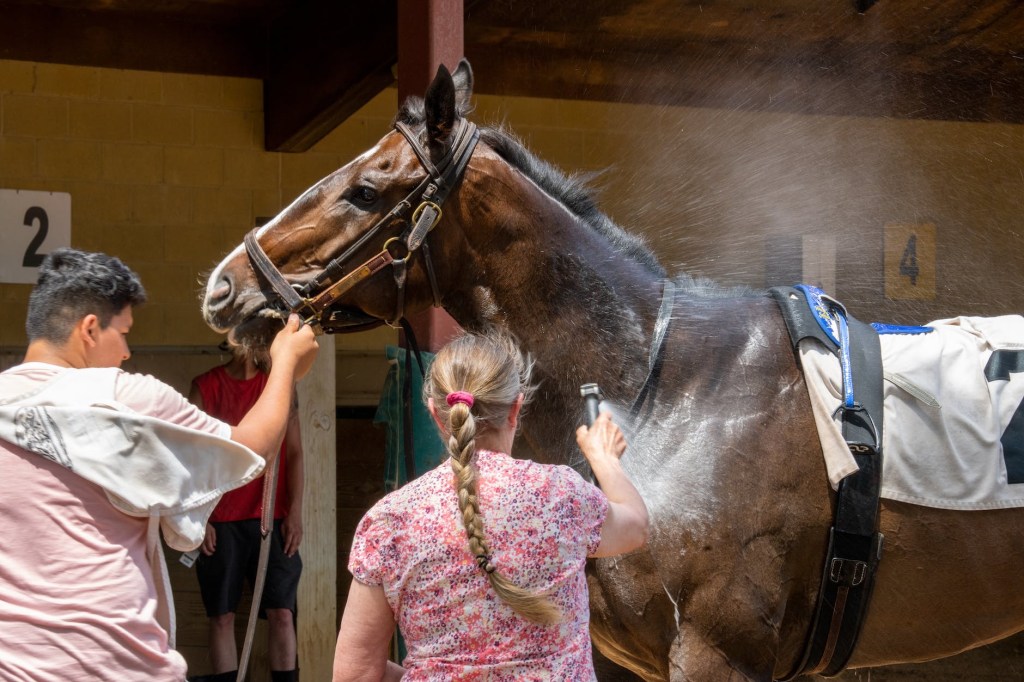
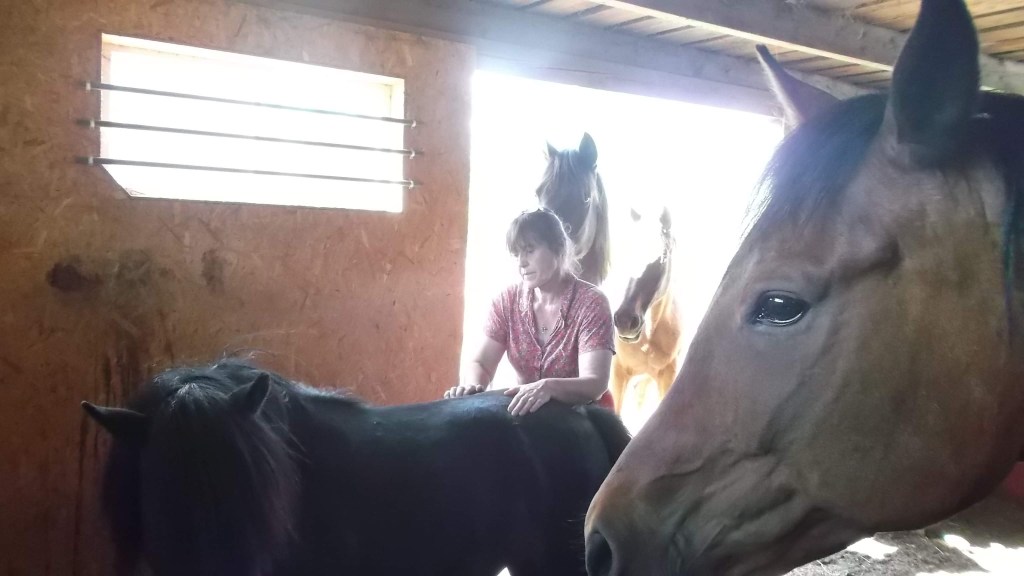
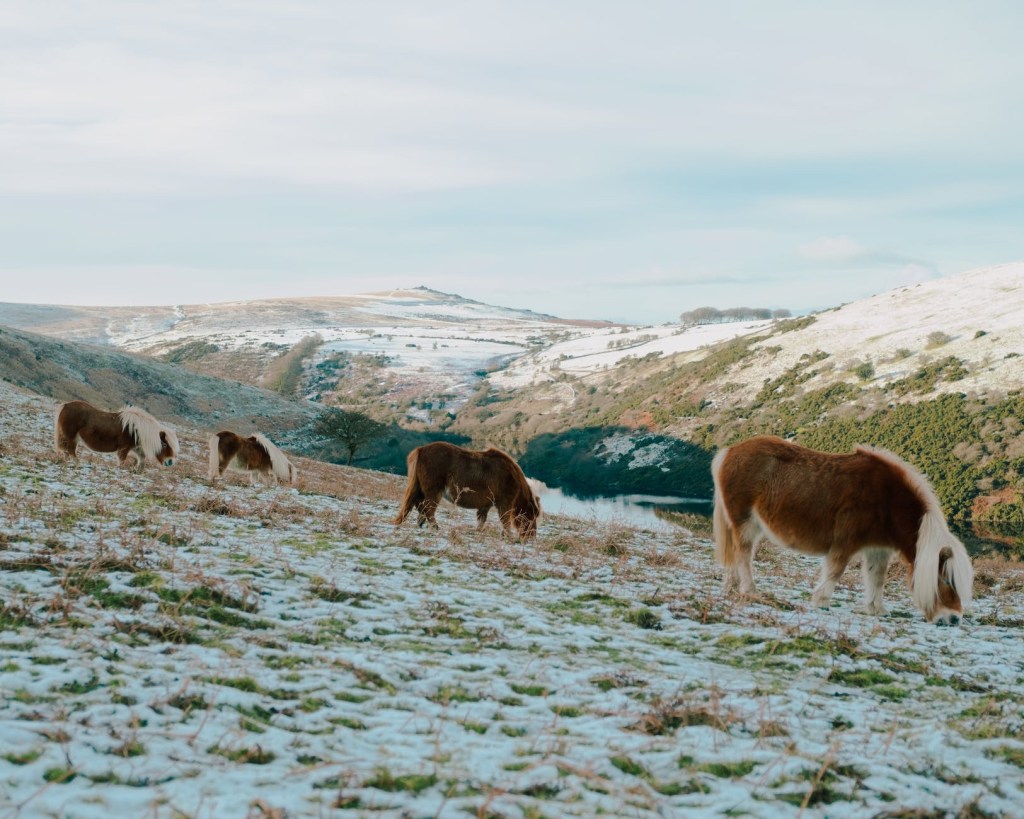
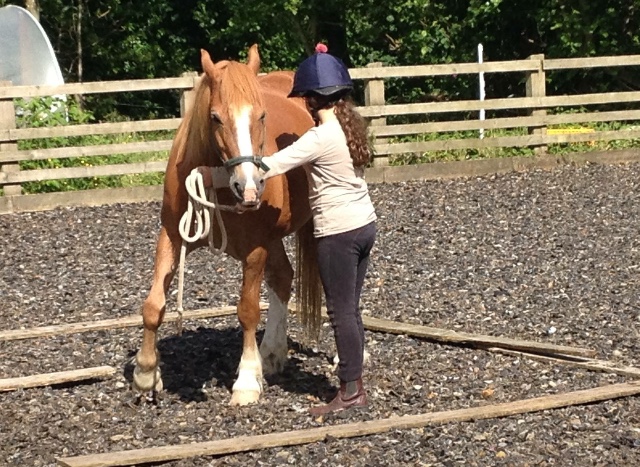
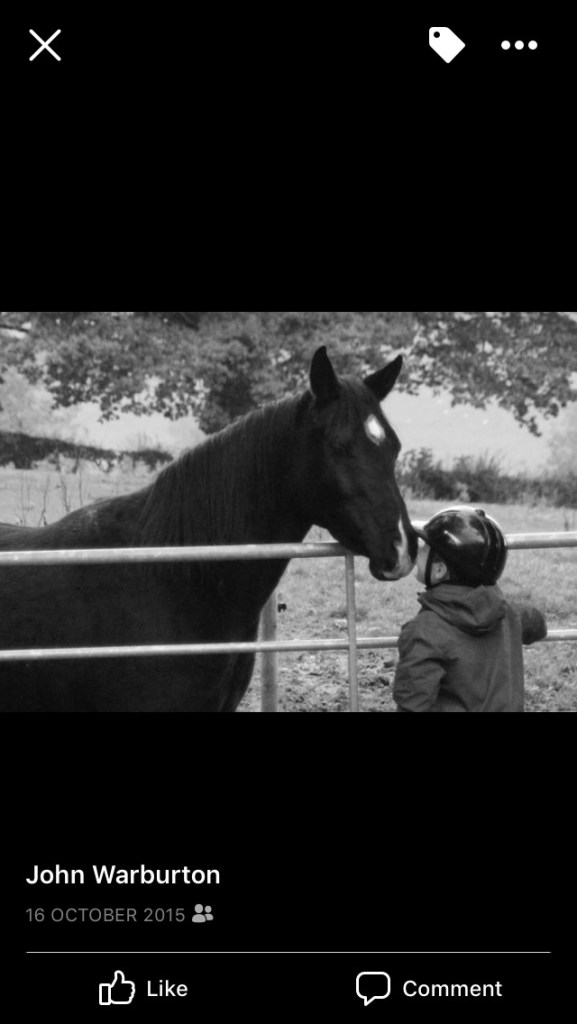
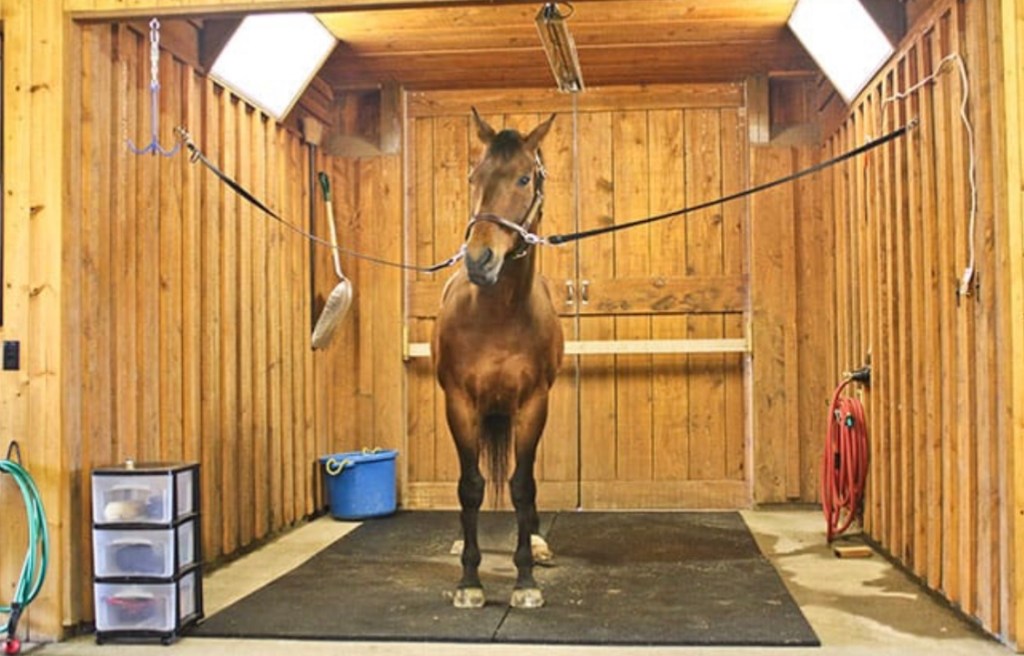
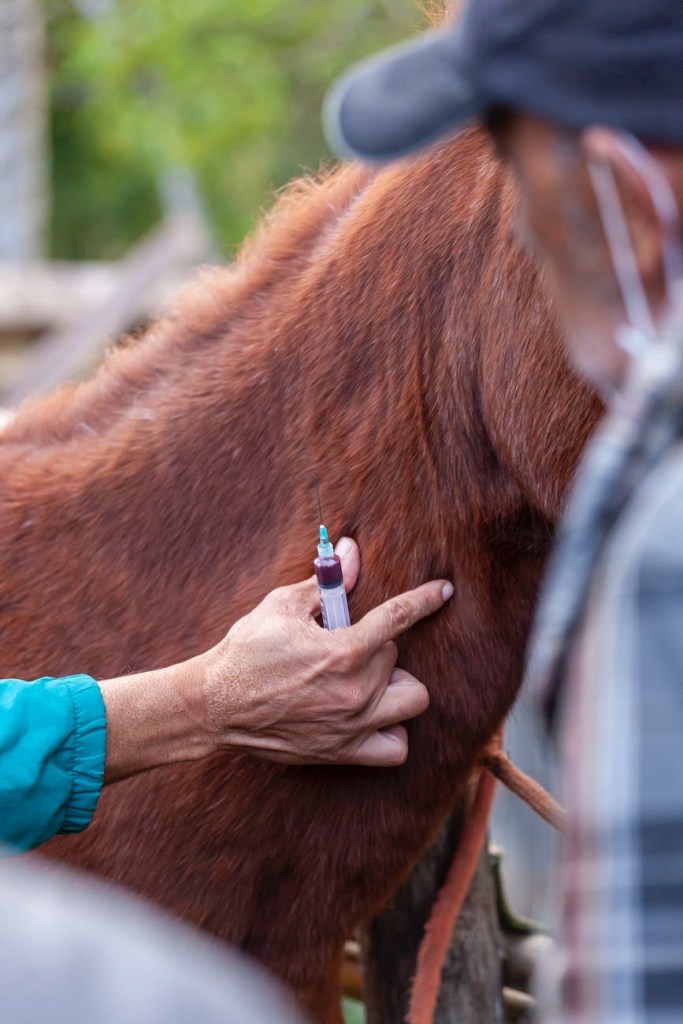
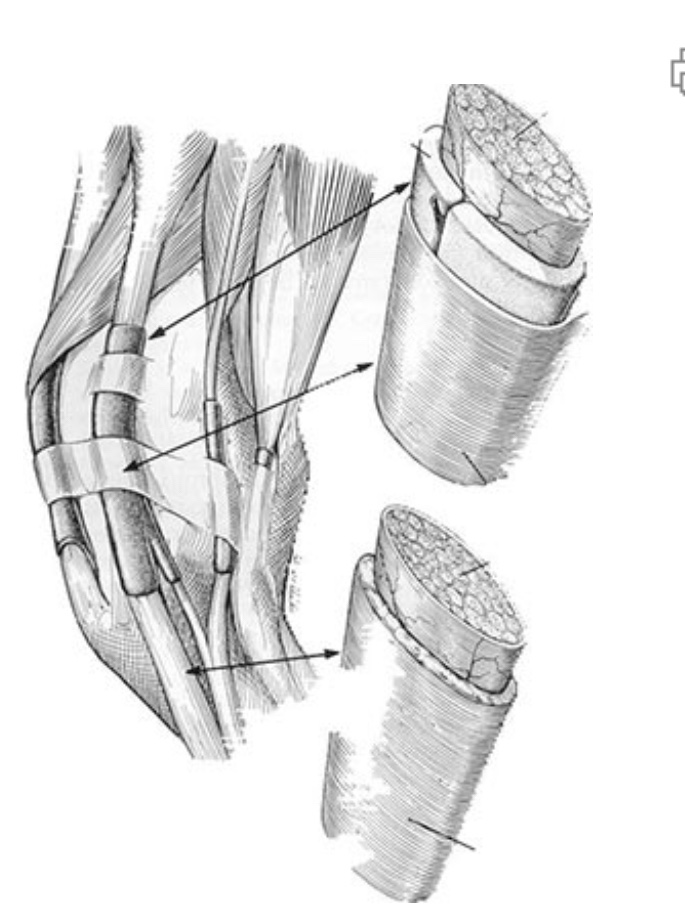

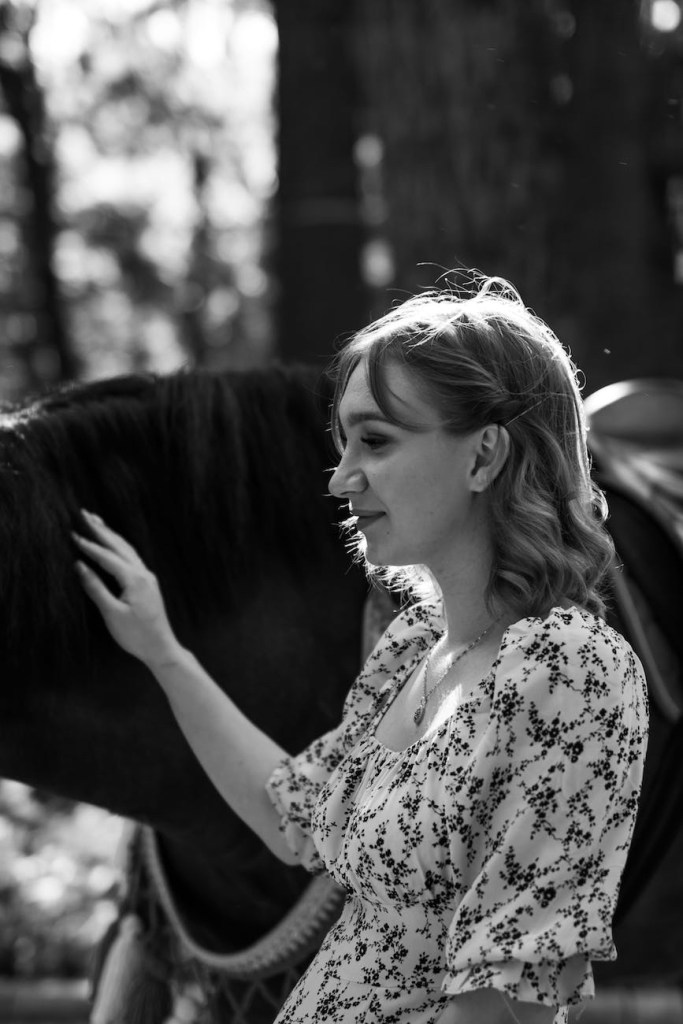
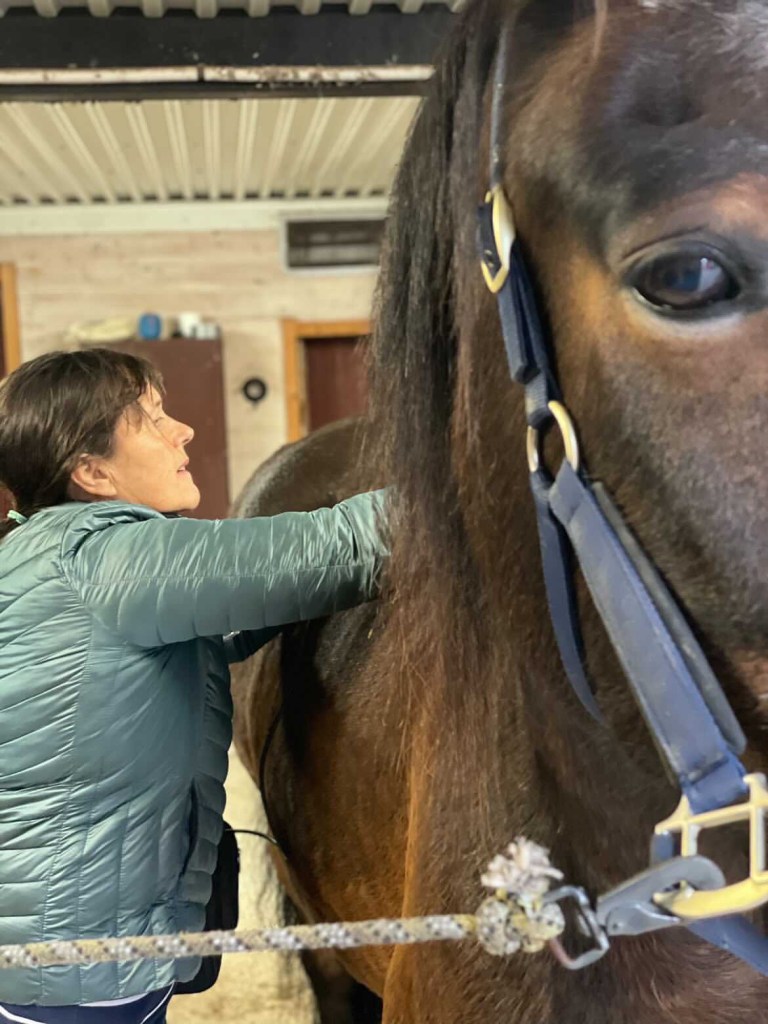
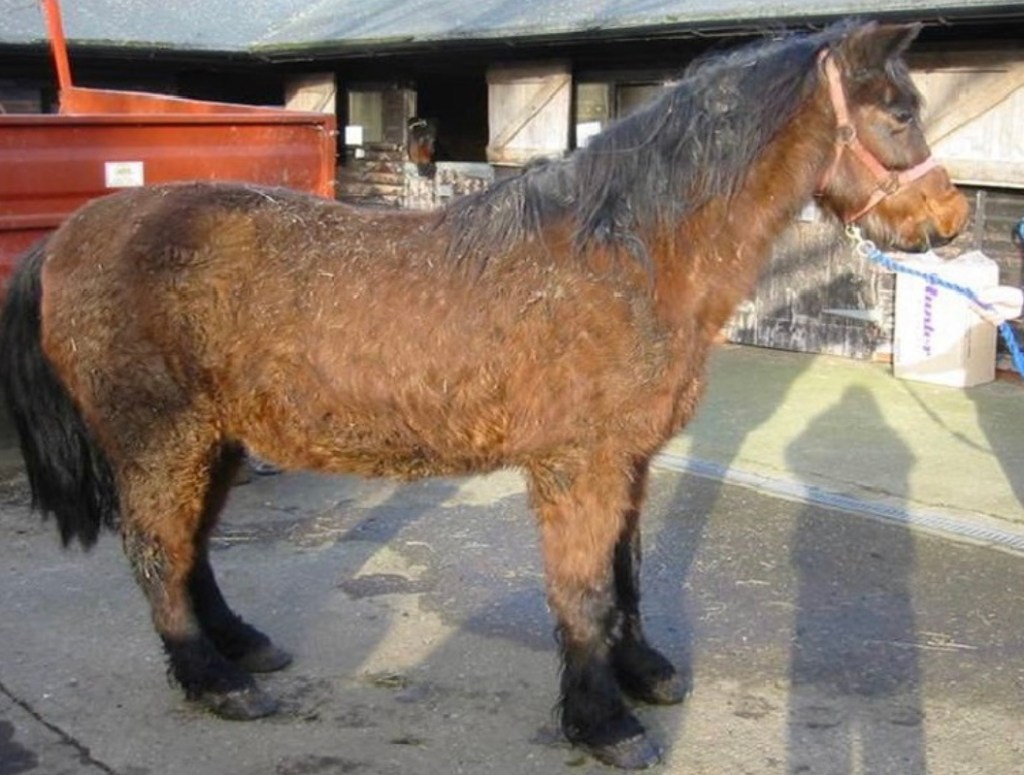
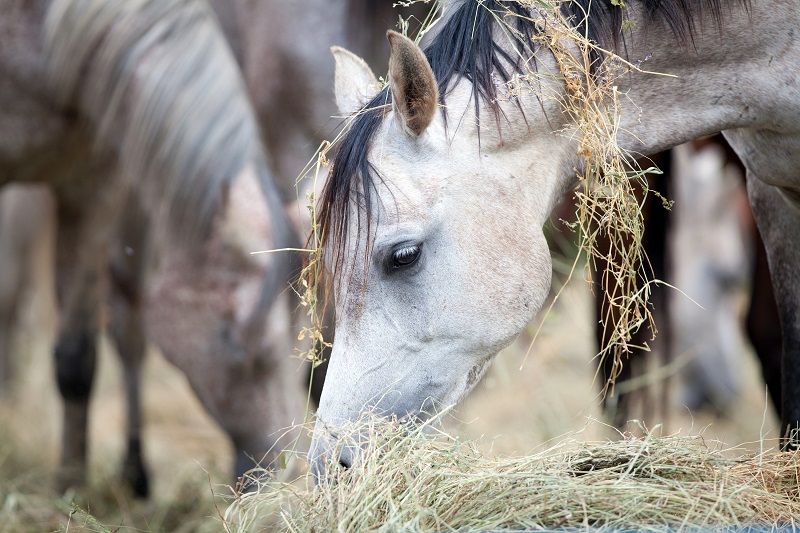
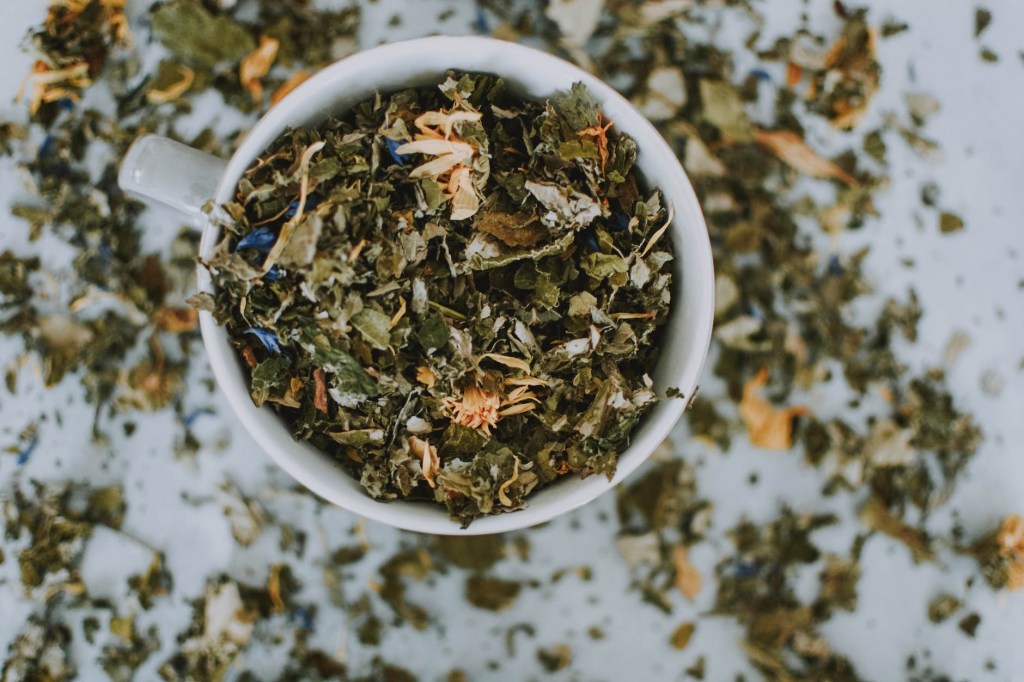
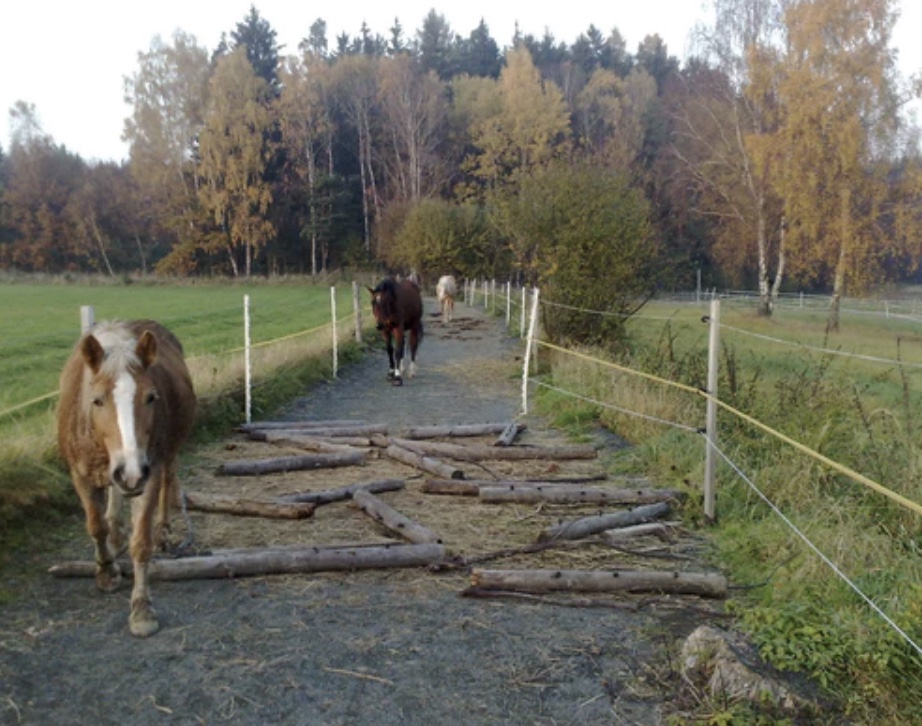
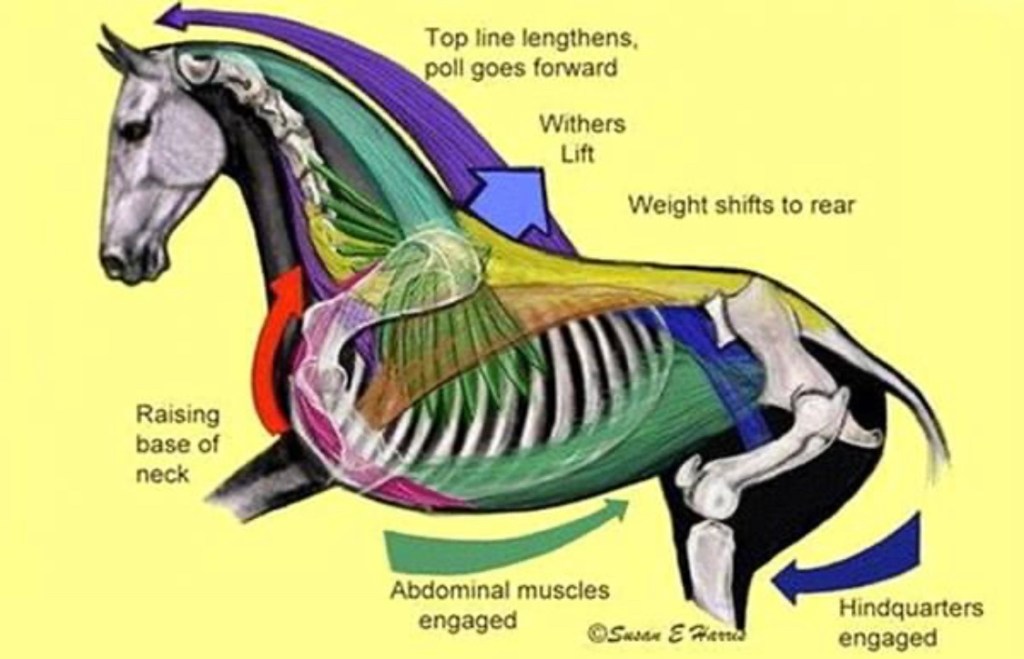
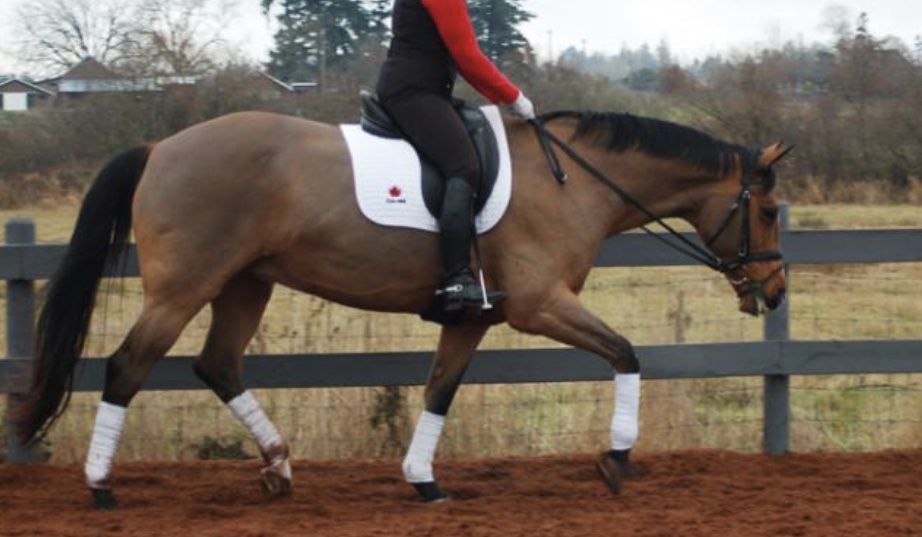
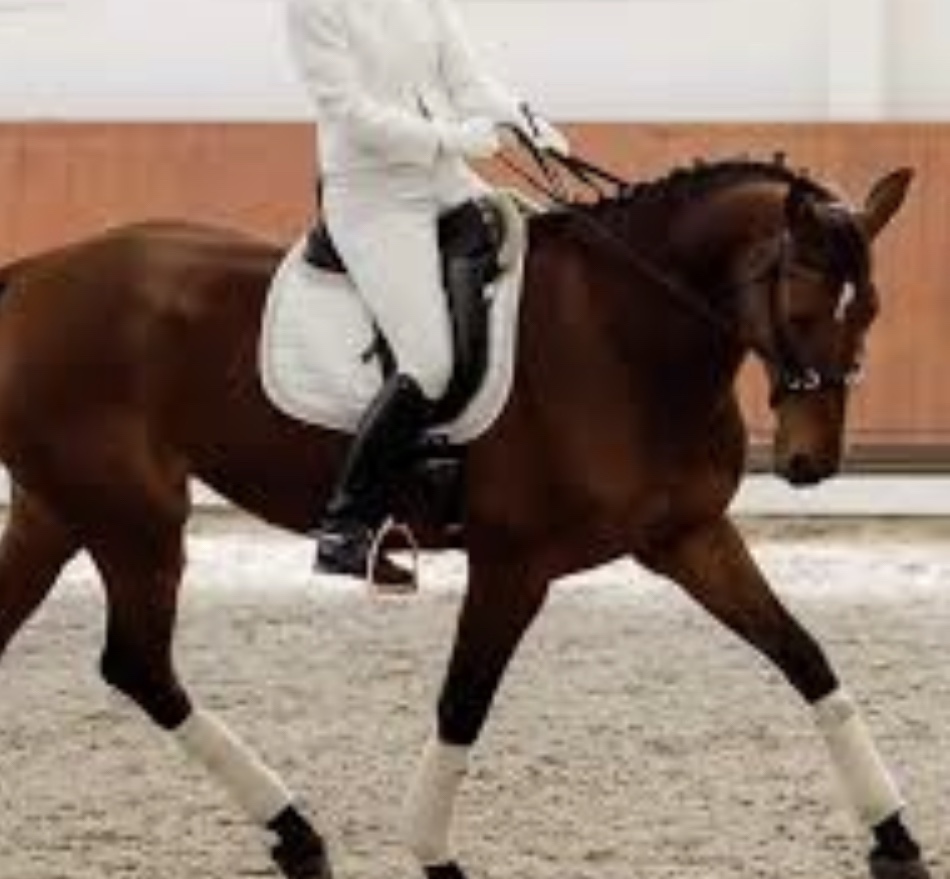
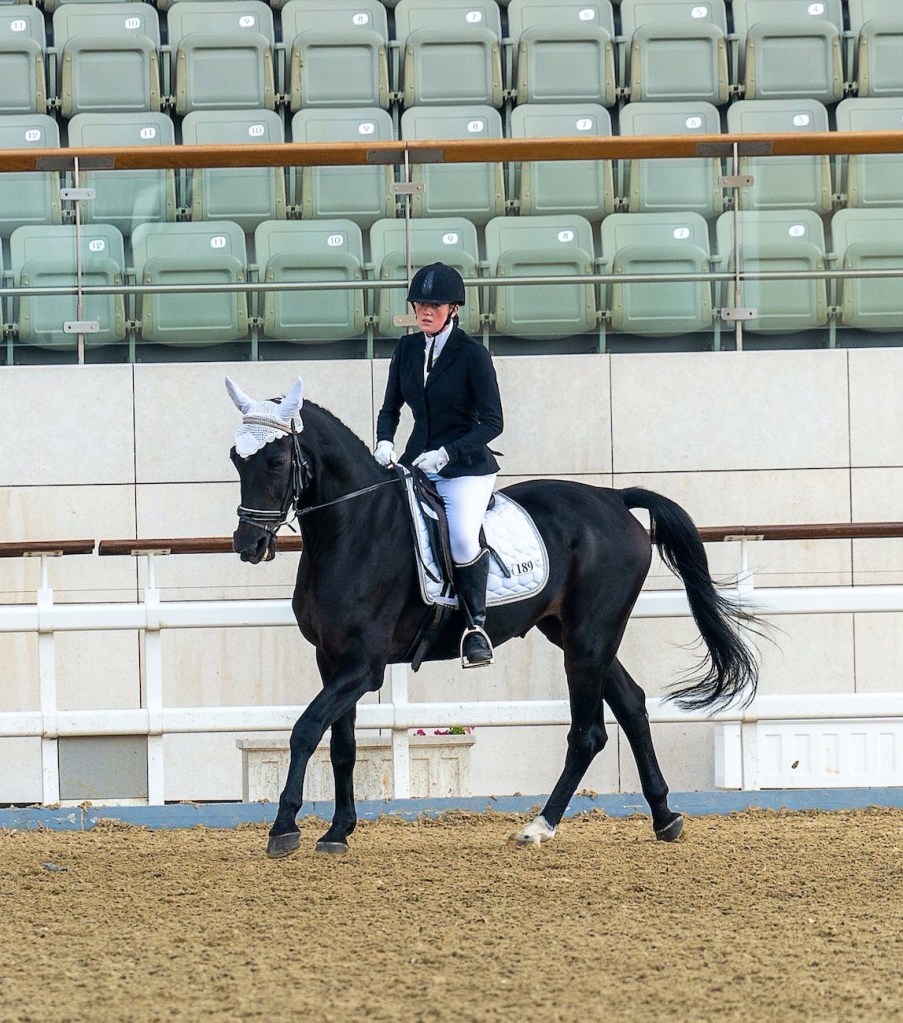
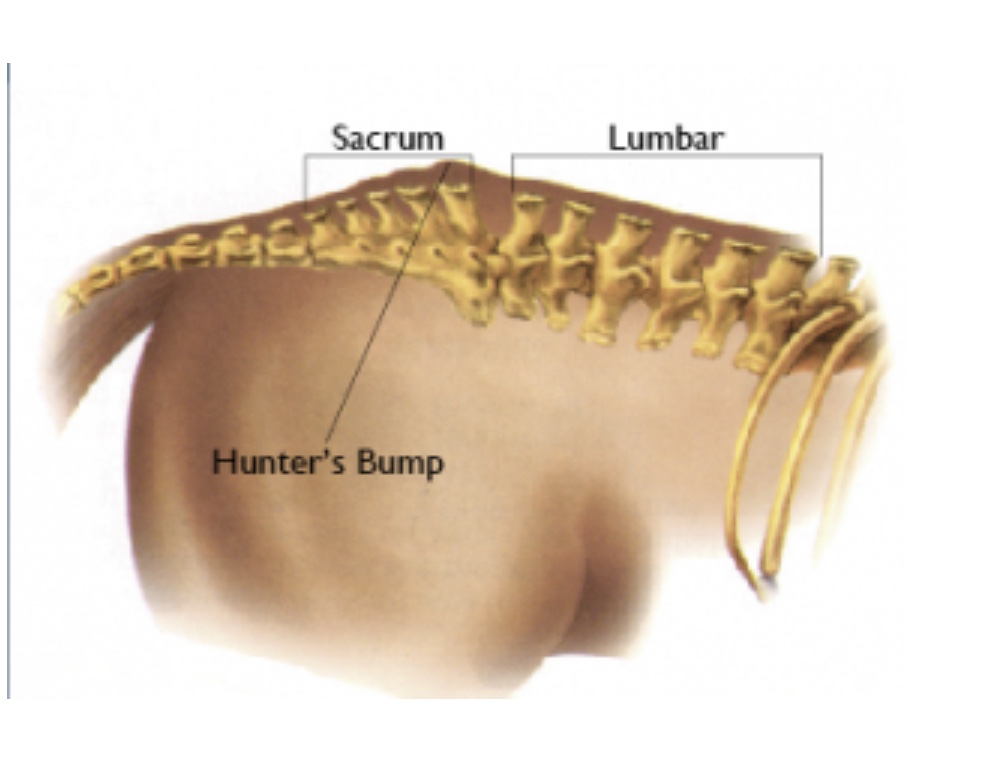
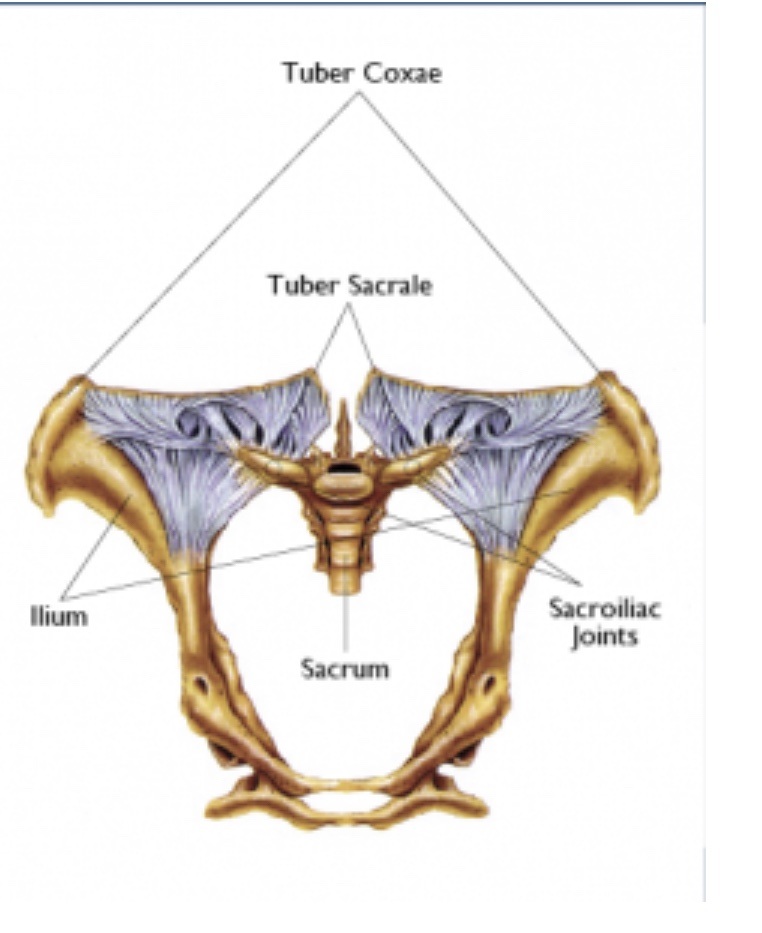
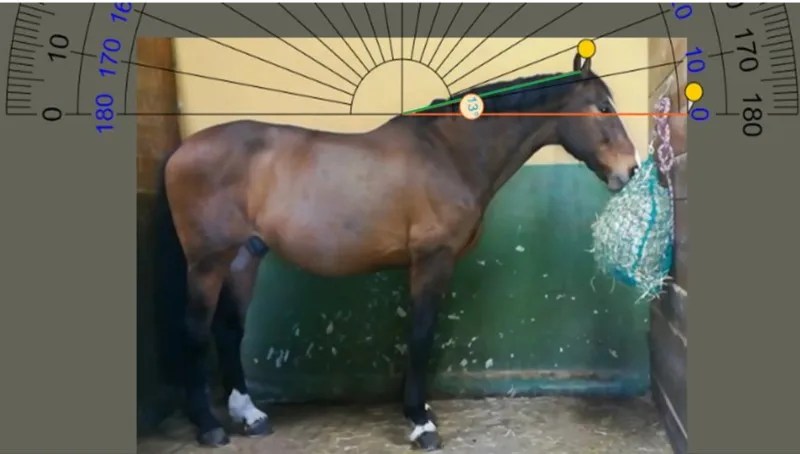
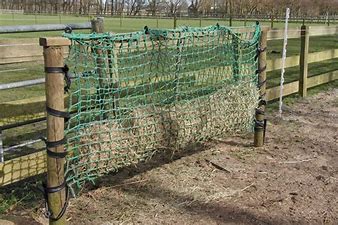
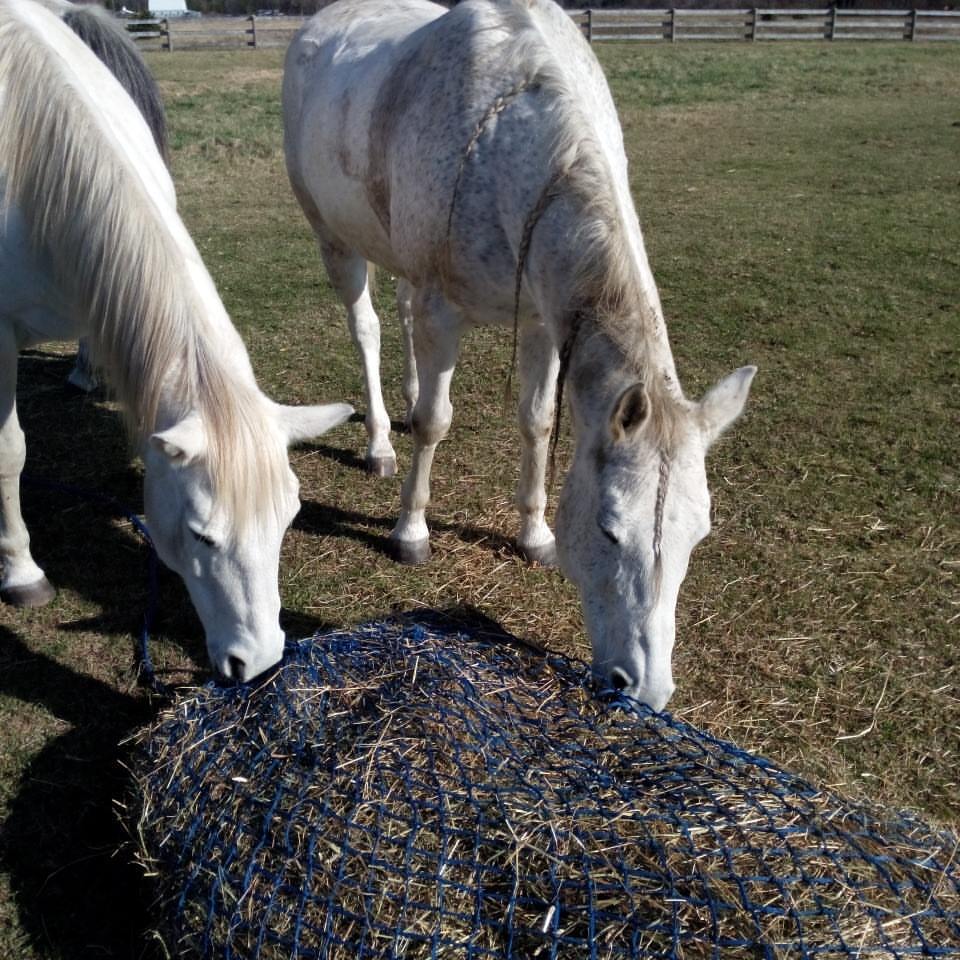
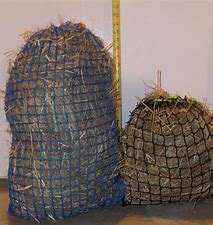
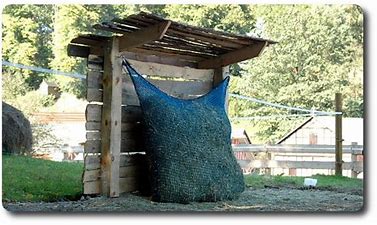
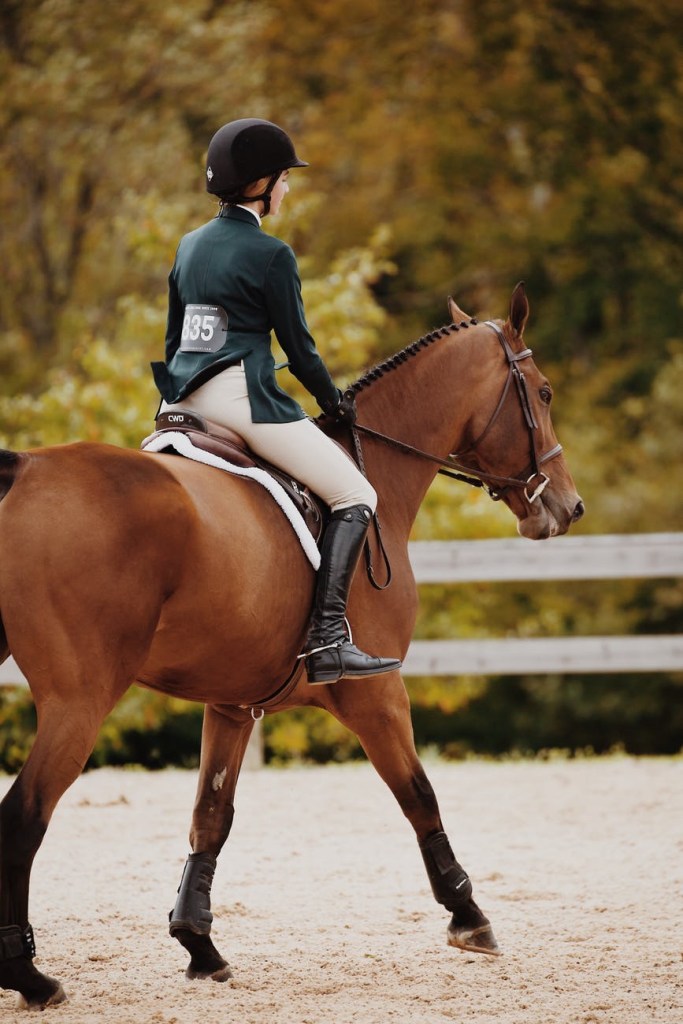
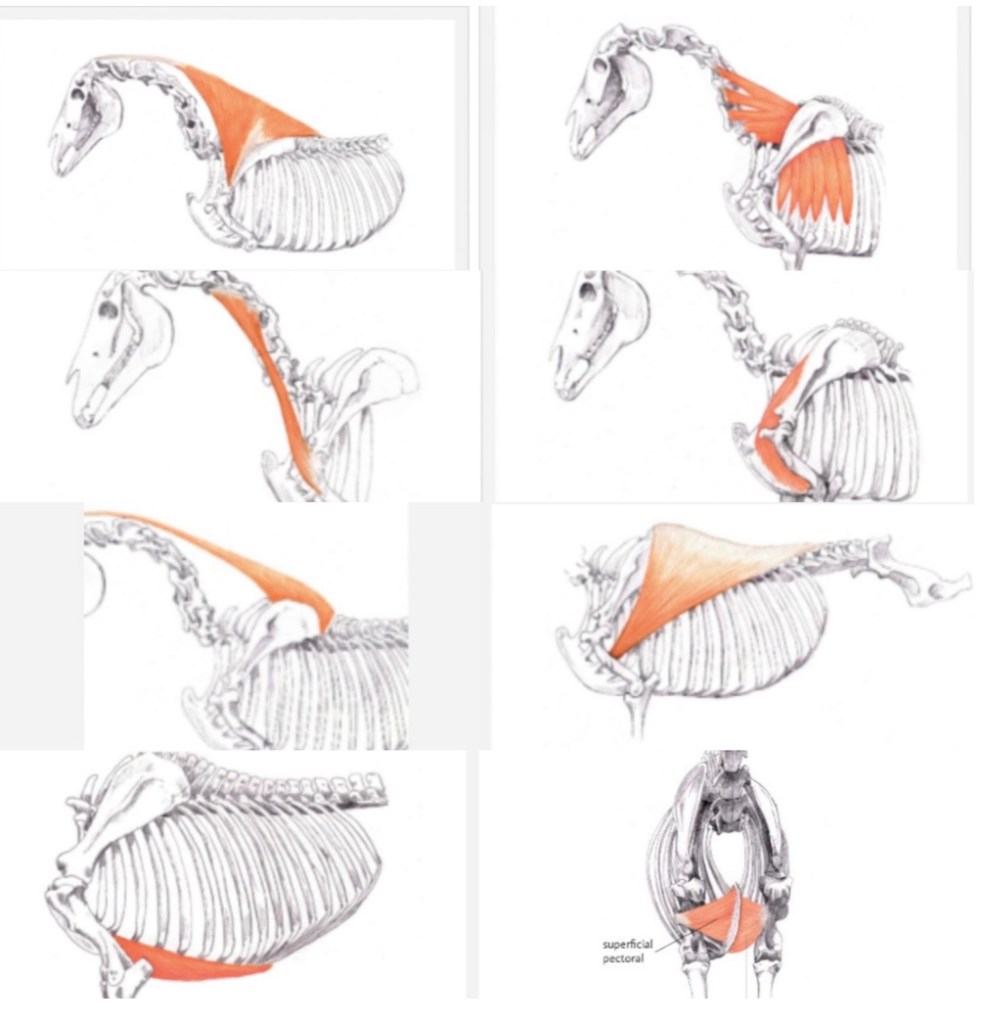
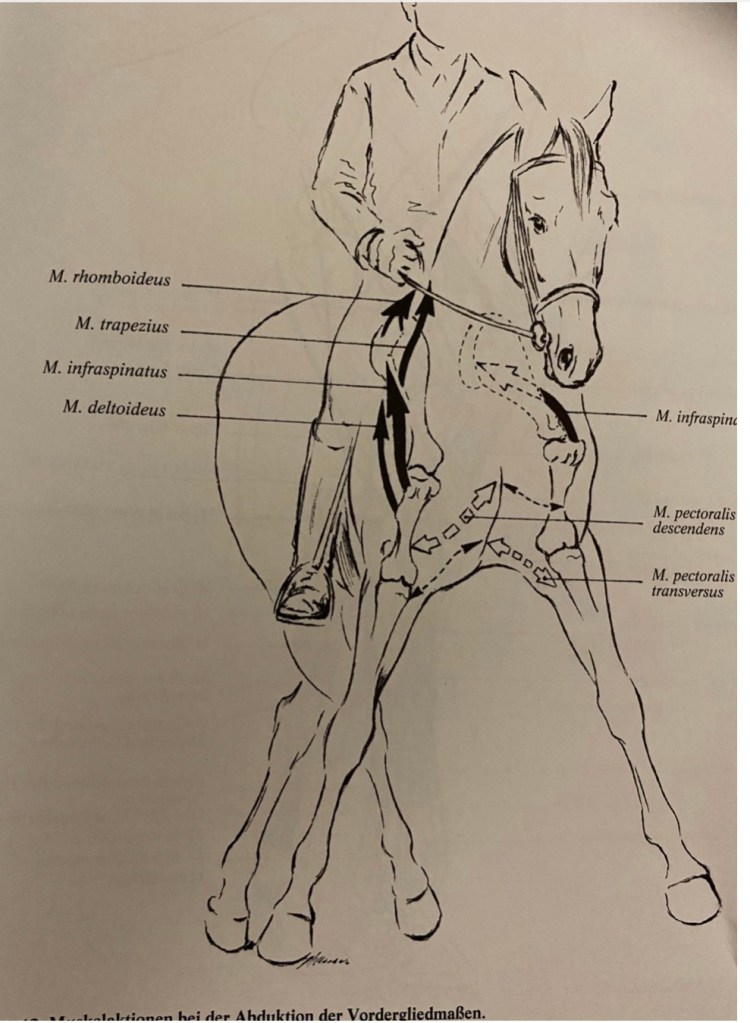
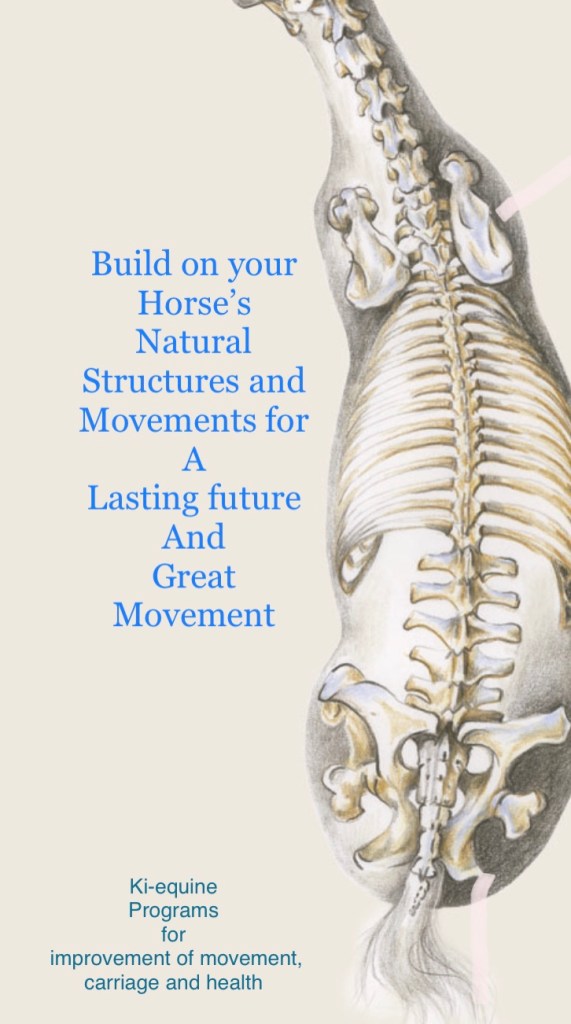
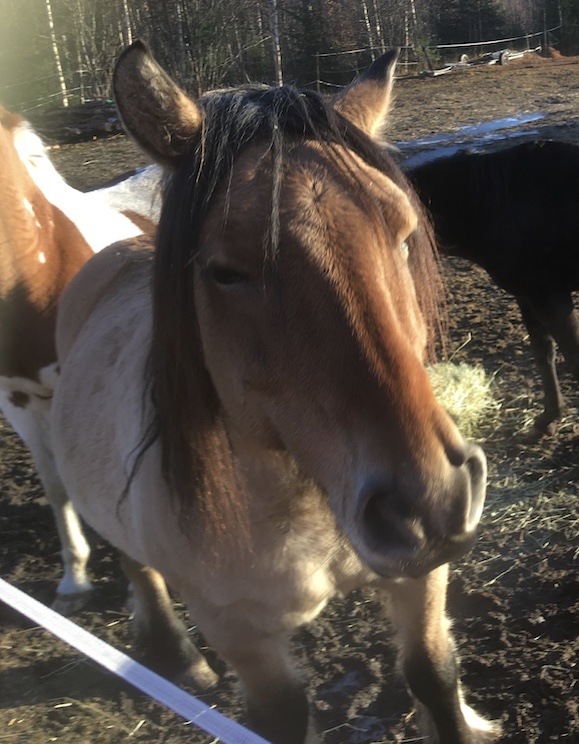

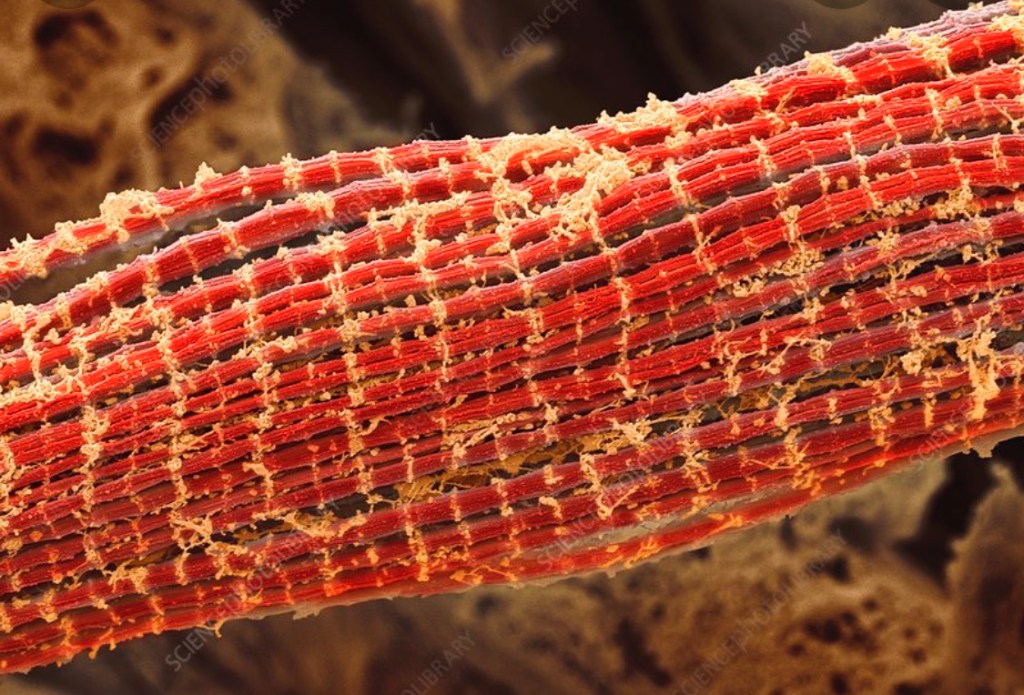
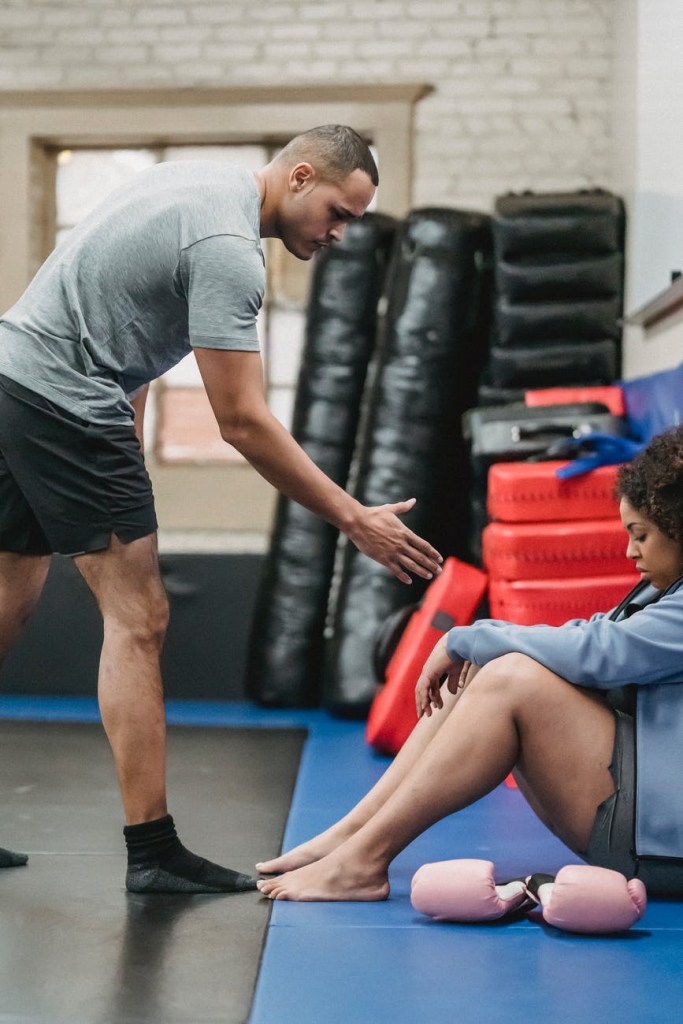
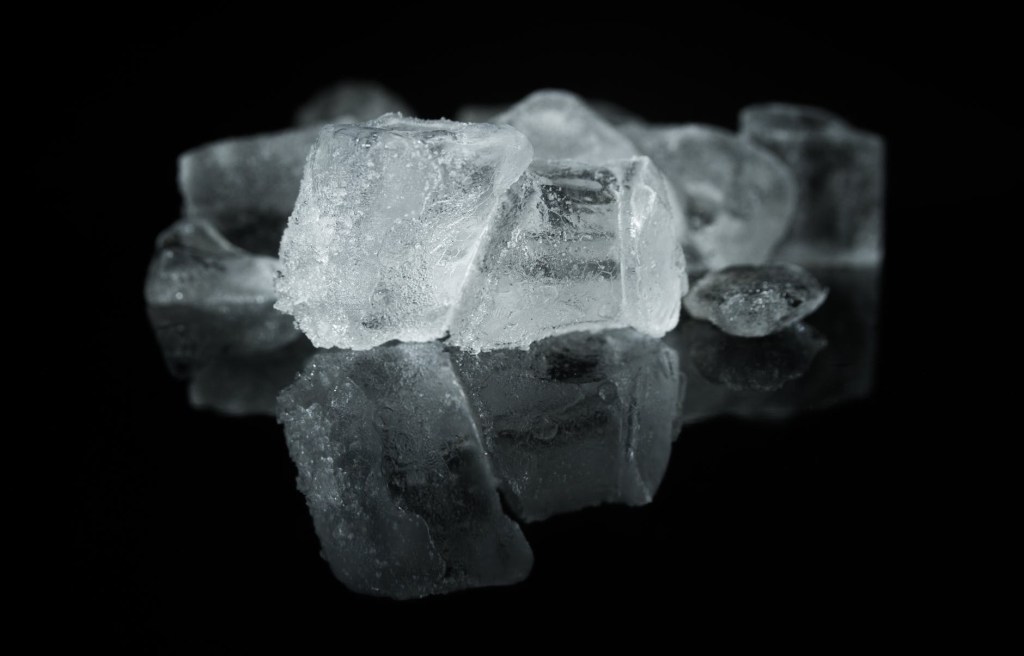
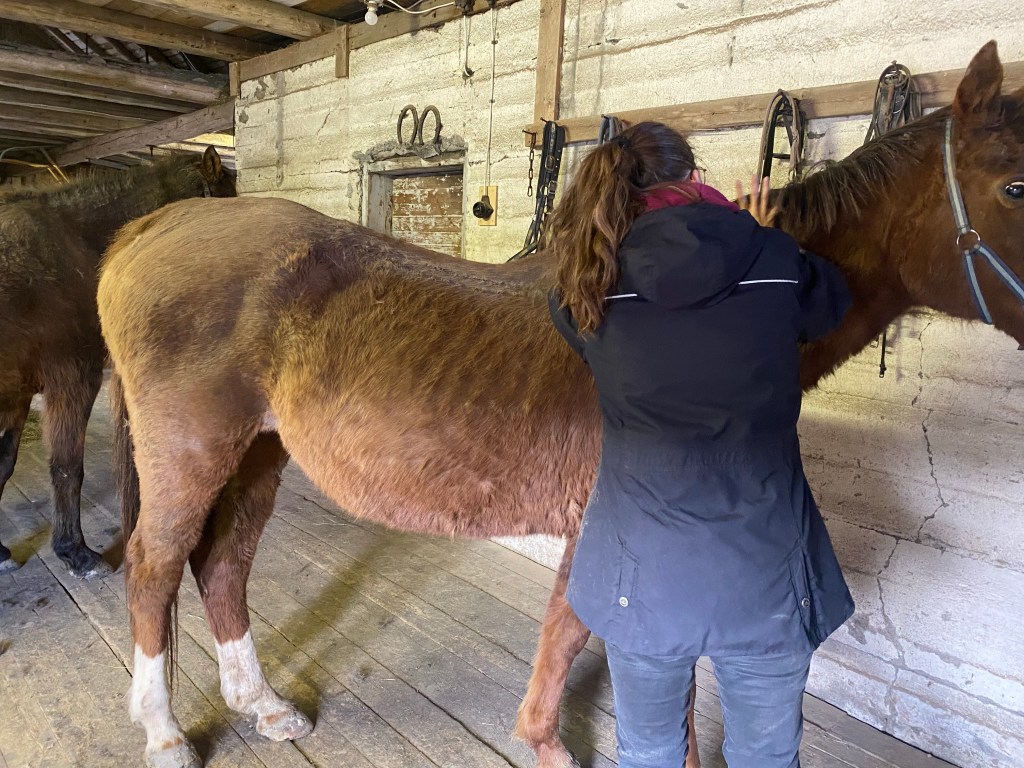
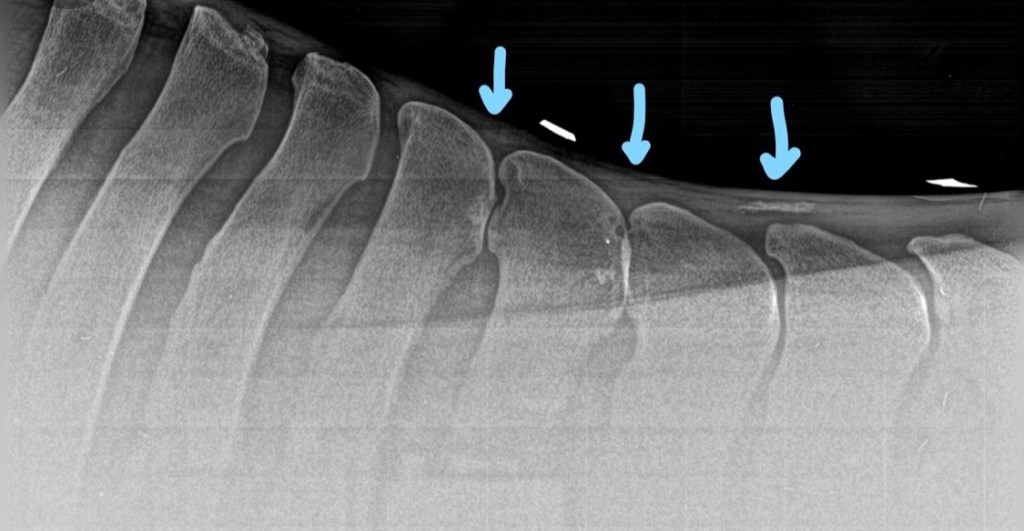
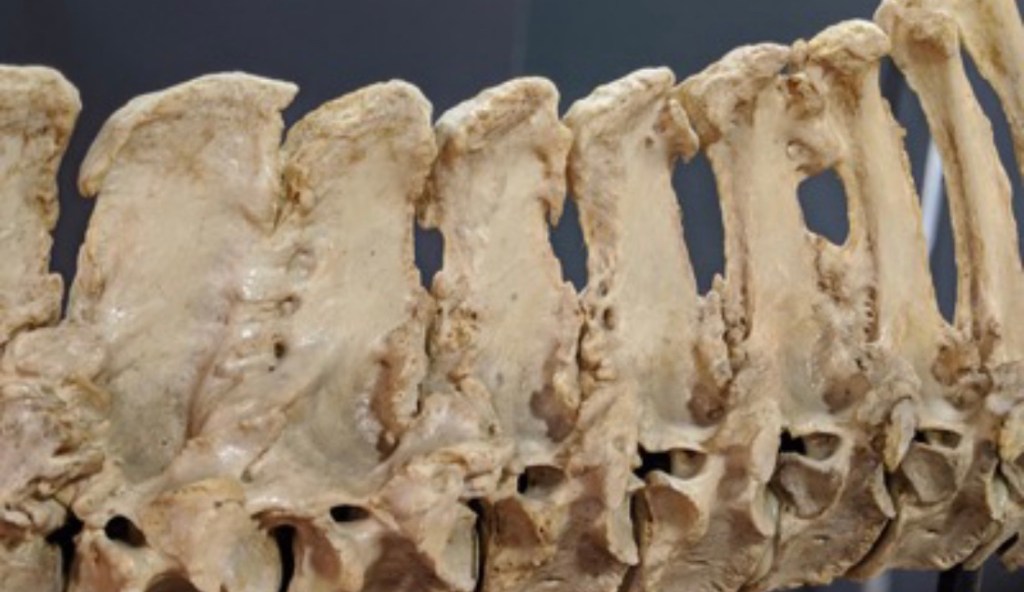

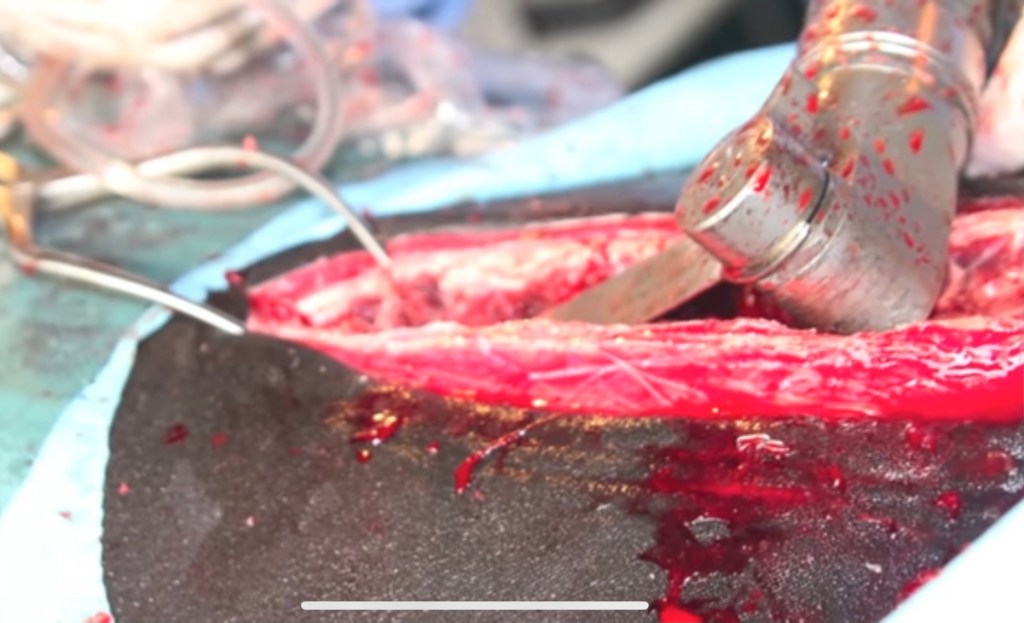

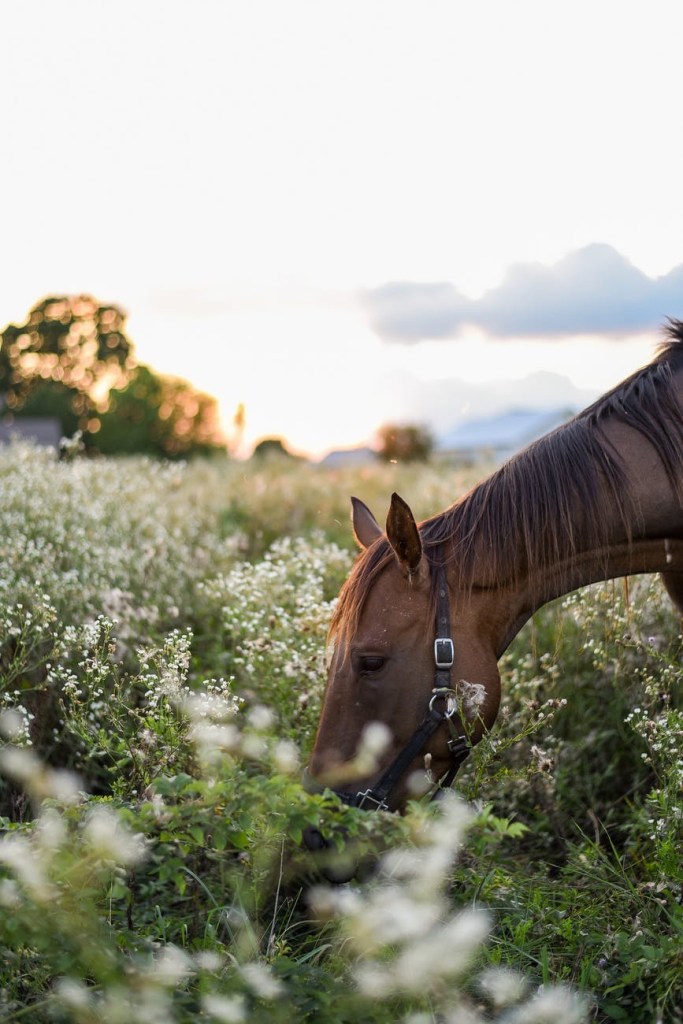
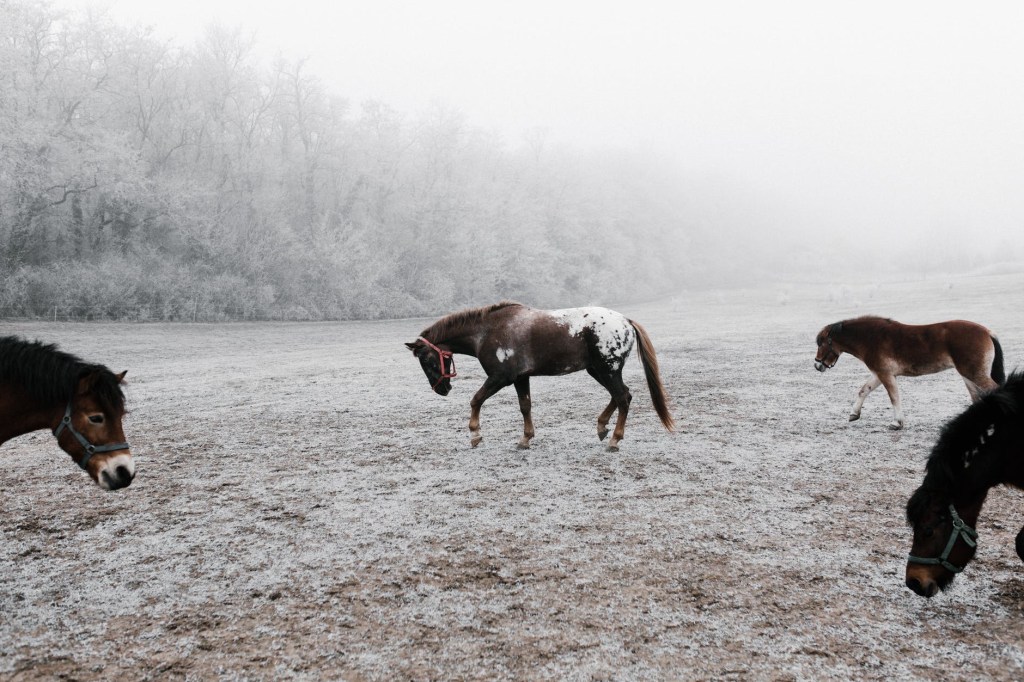
 Happy Healthy Horses